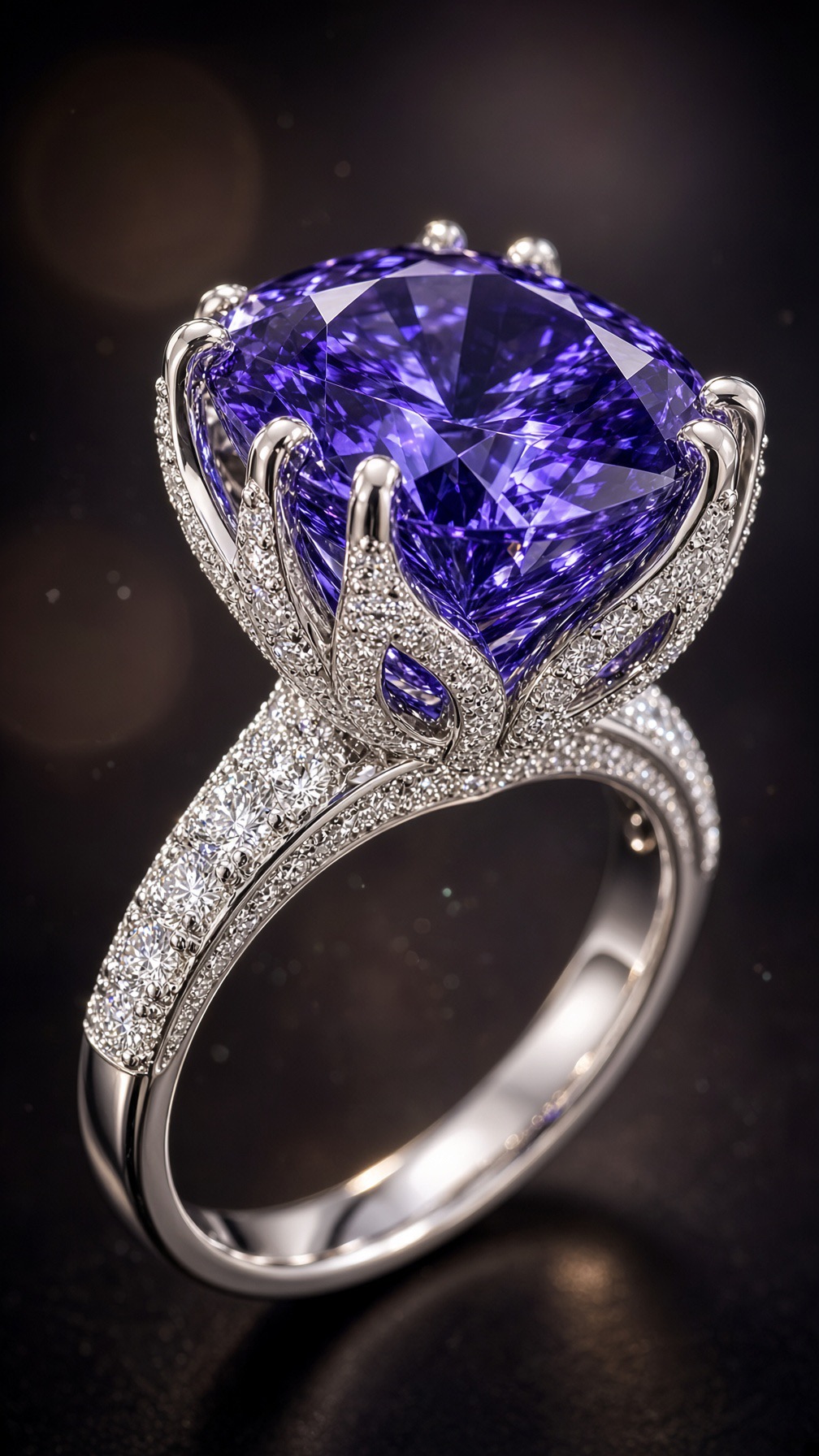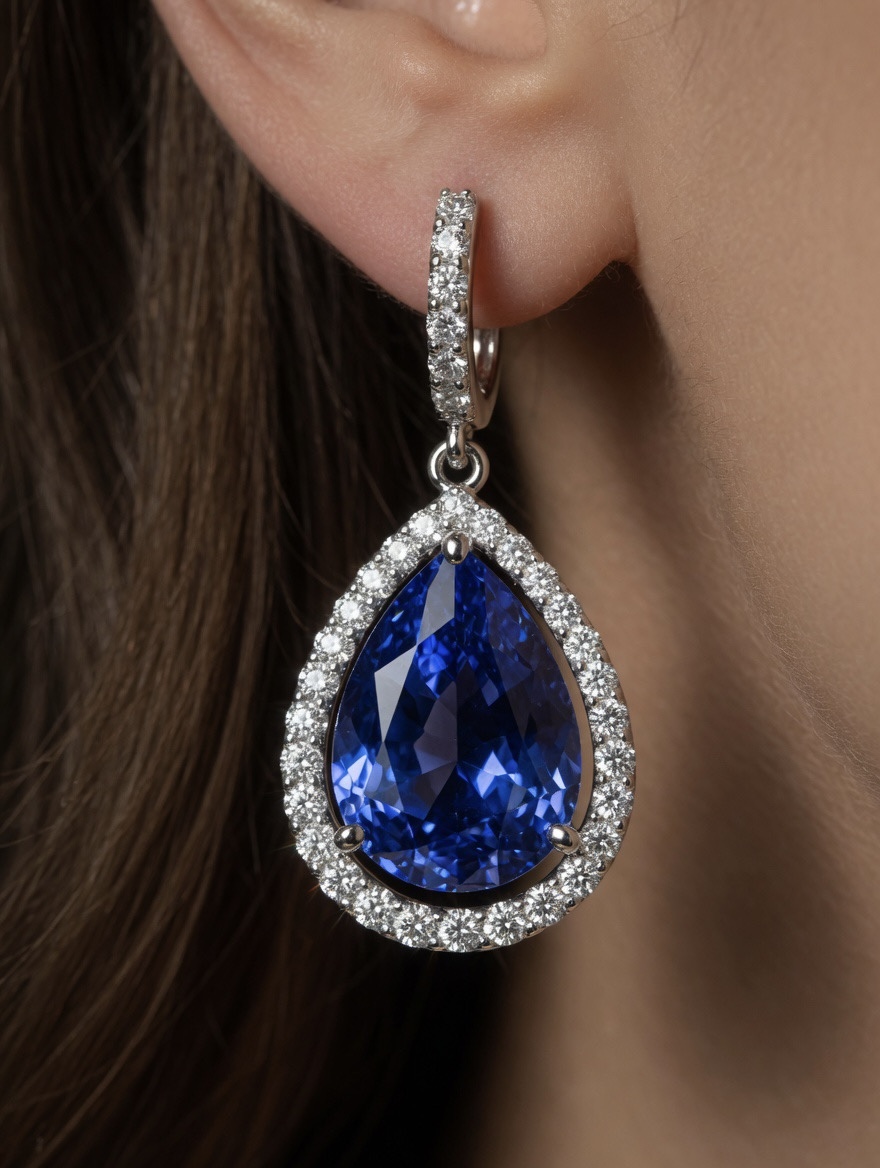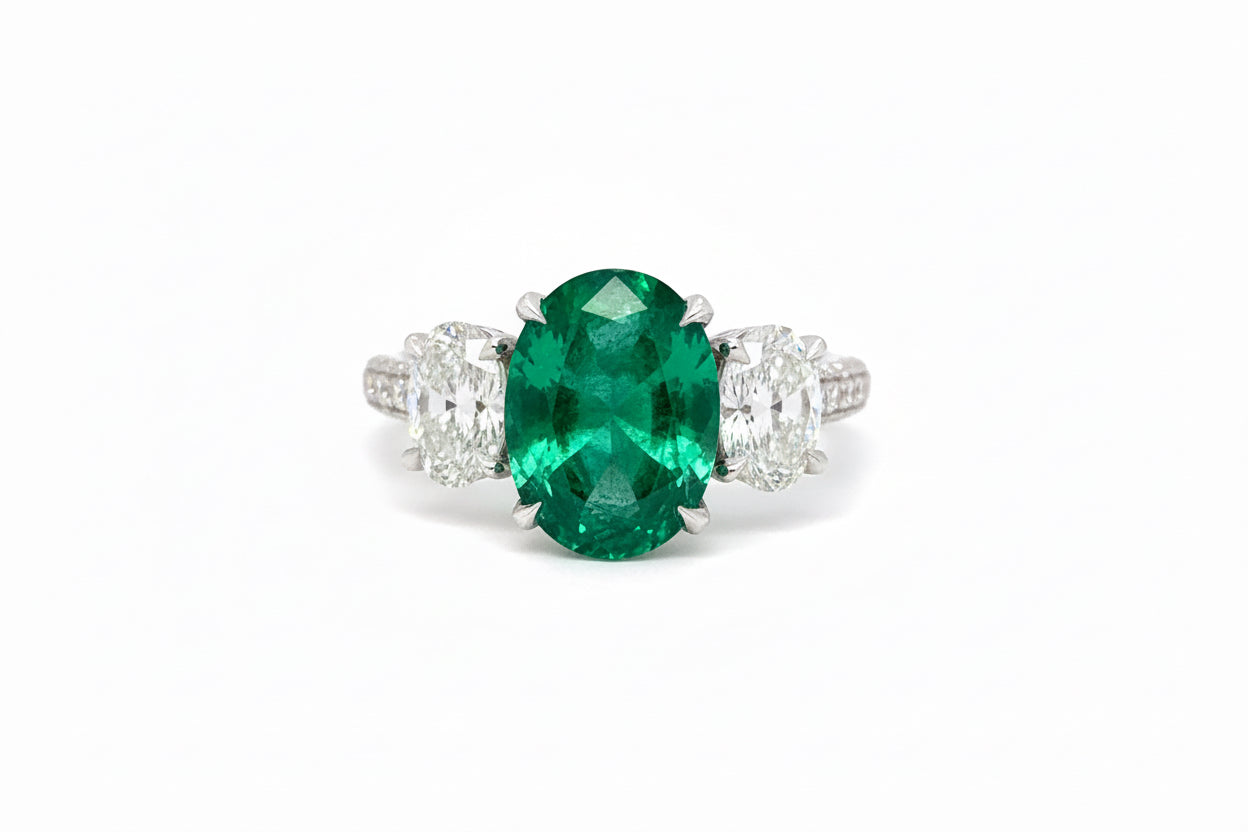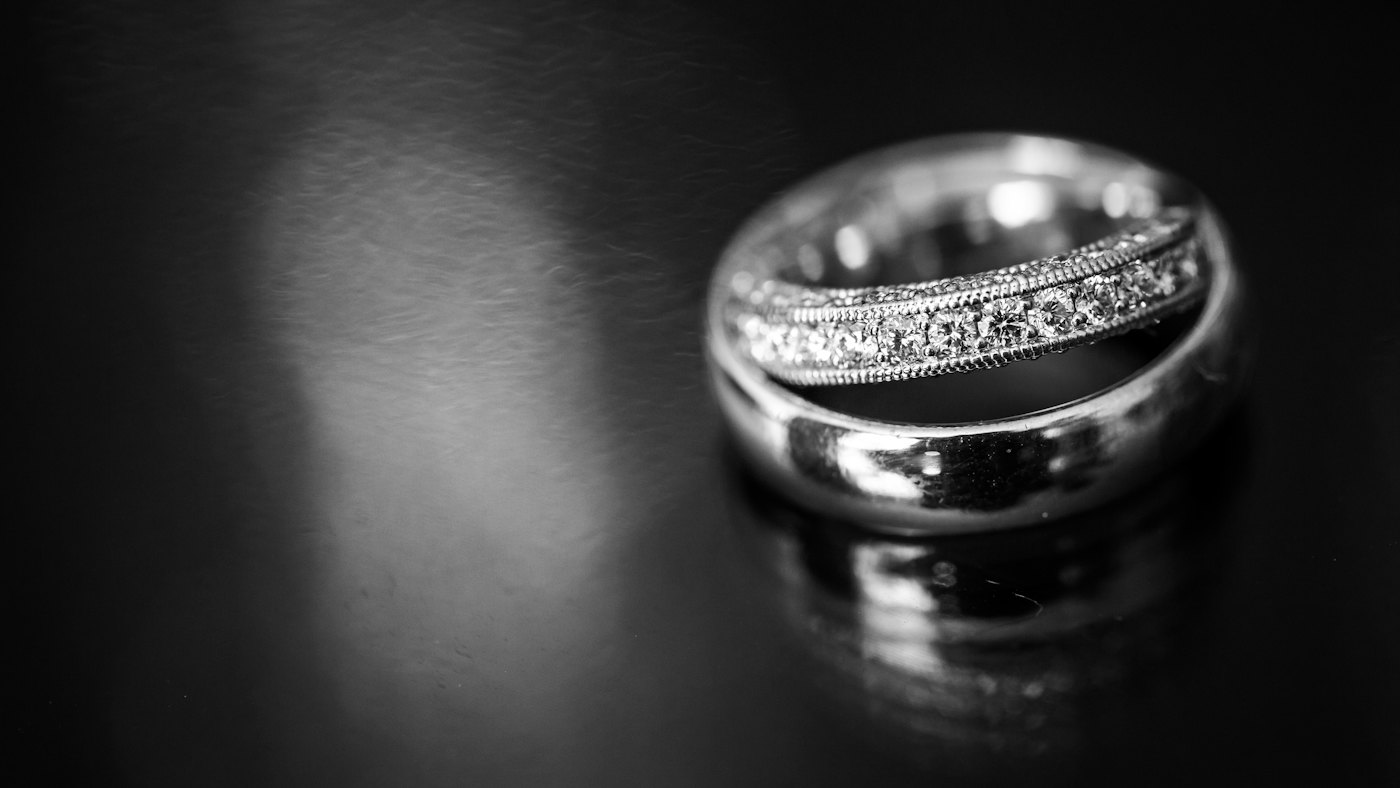
Platinum used in jewellery is almost pure: usually 95%, stamped 950. It is white all the way through and needs no plating.
How it differs from white gold
Colour. Platinum is a cool grey-white by nature. White gold owes its bright white to a rhodium layer that wears off and has to be renewed. Platinum stays the colour it is.
Weight. Platinum is clearly denser than gold. The same ring is noticeably heavier in platinum. Many people like that; try it on to find out.
Skin. Because it is so pure, platinum rarely causes a reaction. It is the safe choice for sensitive skin.
How it wears
Platinum scratches, like every metal. The difference is what happens next: with gold a scratch removes a tiny amount of metal, with platinum the metal is mostly pushed aside. A platinum ring therefore loses hardly any weight over the years. It does develop a soft, matt sheen, called patina. Some people love it. If you do not, a goldsmith can polish the ring back to a high shine.
Because so little metal wears away, platinum claws hold a stone securely for a very long time. That is why many goldsmiths set a valuable stone in platinum even when the ring itself is gold.
Price
In recent years platinum has cost less per gram than gold. A platinum ring is still usually not cheaper than the same ring in 18 carat gold: the metal is purer, the ring is heavier because platinum is denser, and the work takes longer. Platinum melts at a much higher temperature and is harder to work and to polish.
Resizing and repair
Platinum can be resized and repaired, but it requires the right equipment and experience. Not every workshop works in platinum. Ask about it when you request proposals.
Platinum carries its own stamp, see hallmarks. Thinking of platinum for a ring? Describe your piece and ask for a price in both platinum and white gold to compare.