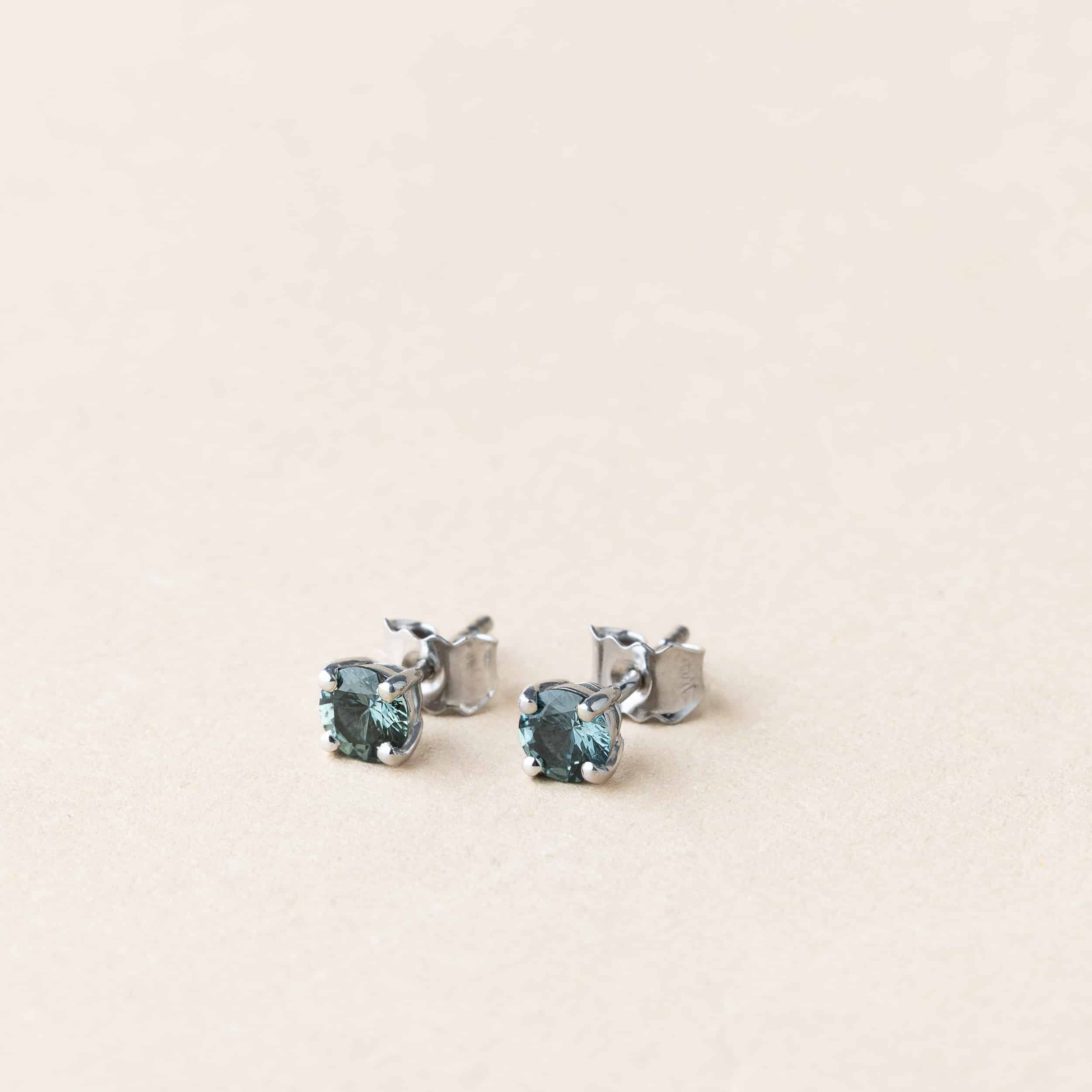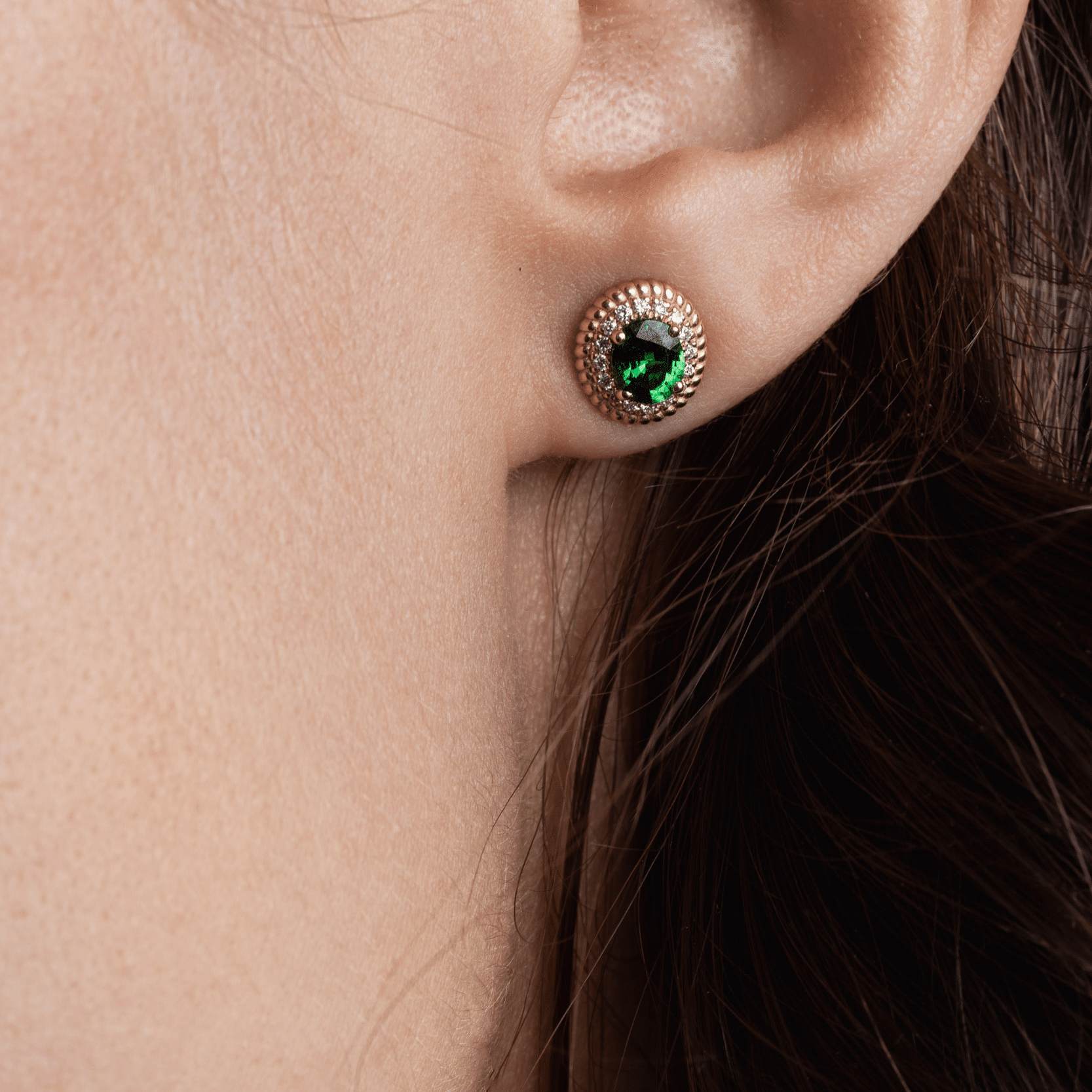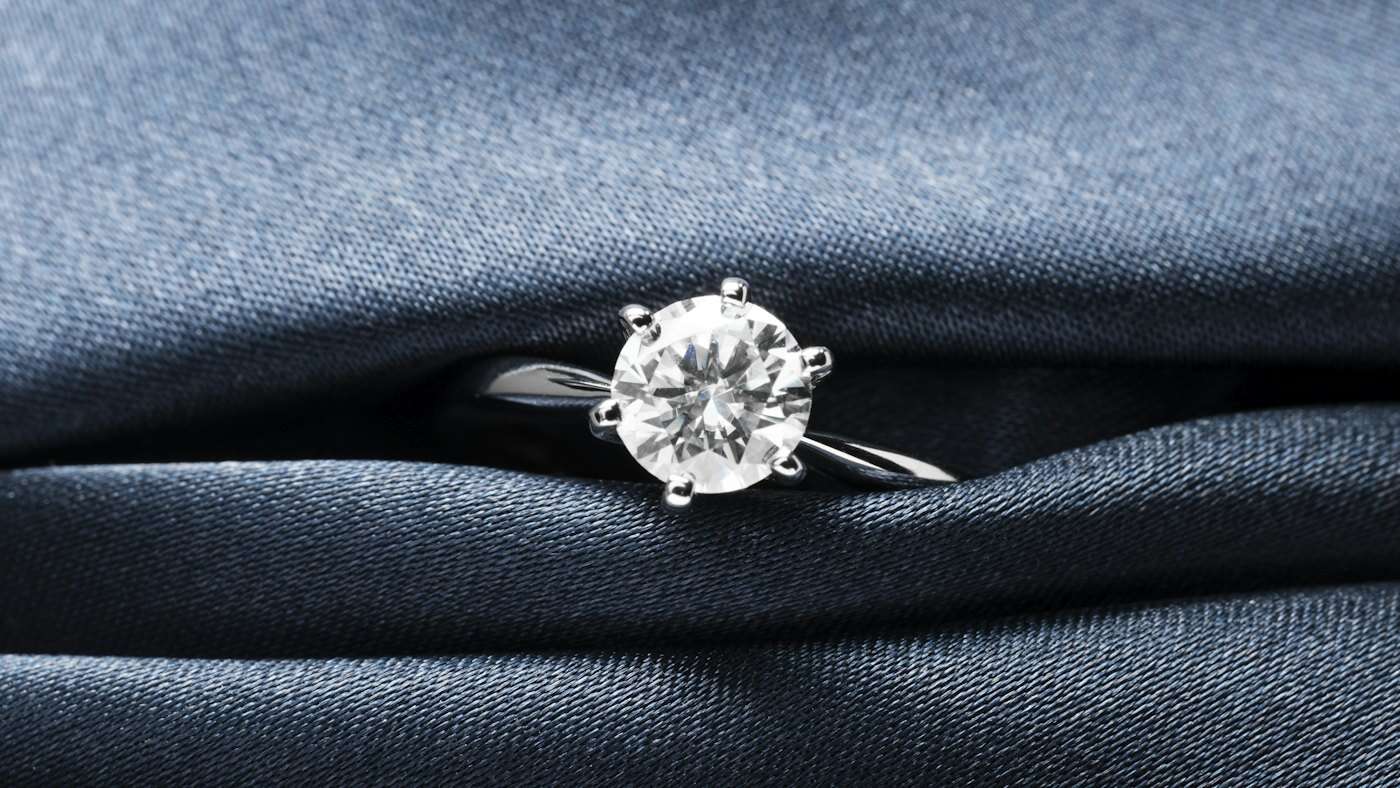
The round brilliant has 57 facets, or 58 when the small facet at the very tip, the culet, is counted. The proportions that are still the reference today go back to Marcel Tolkowsky, who worked out in 1919 which angles return the most light.
Why it sparkles most
Every facet of a round brilliant is placed to send light that enters from above back out through the top. When the proportions are right, very little light leaks away through the bottom. Precisely cut stones show a pattern of eight arrows from above and eight hearts from below, known as hearts and arrows.
The only cut with a cut grade
The GIA assigns a cut grade, from Excellent to Poor, only to standard round brilliants. For every other outline you have to judge the cut yourself, or with a goldsmith, from the proportions and from how the stone looks. With a round brilliant the grading report tells you. Of the four Cs, cut is the one not to compromise on.
Forgiving
Because it returns so much white light, a round brilliant hides a faint tint and small inclusions better than other cuts. You can often go a step lower in colour or clarity than with a step cut and see no difference.
The most expensive per carat
More of the rough crystal is lost when cutting a round stone than with most other outlines, and demand is the highest. A round brilliant therefore costs more than an oval or a cushion of the same weight and quality. If size matters more to you than the classic outline, look at the other brilliant cuts.
Settings
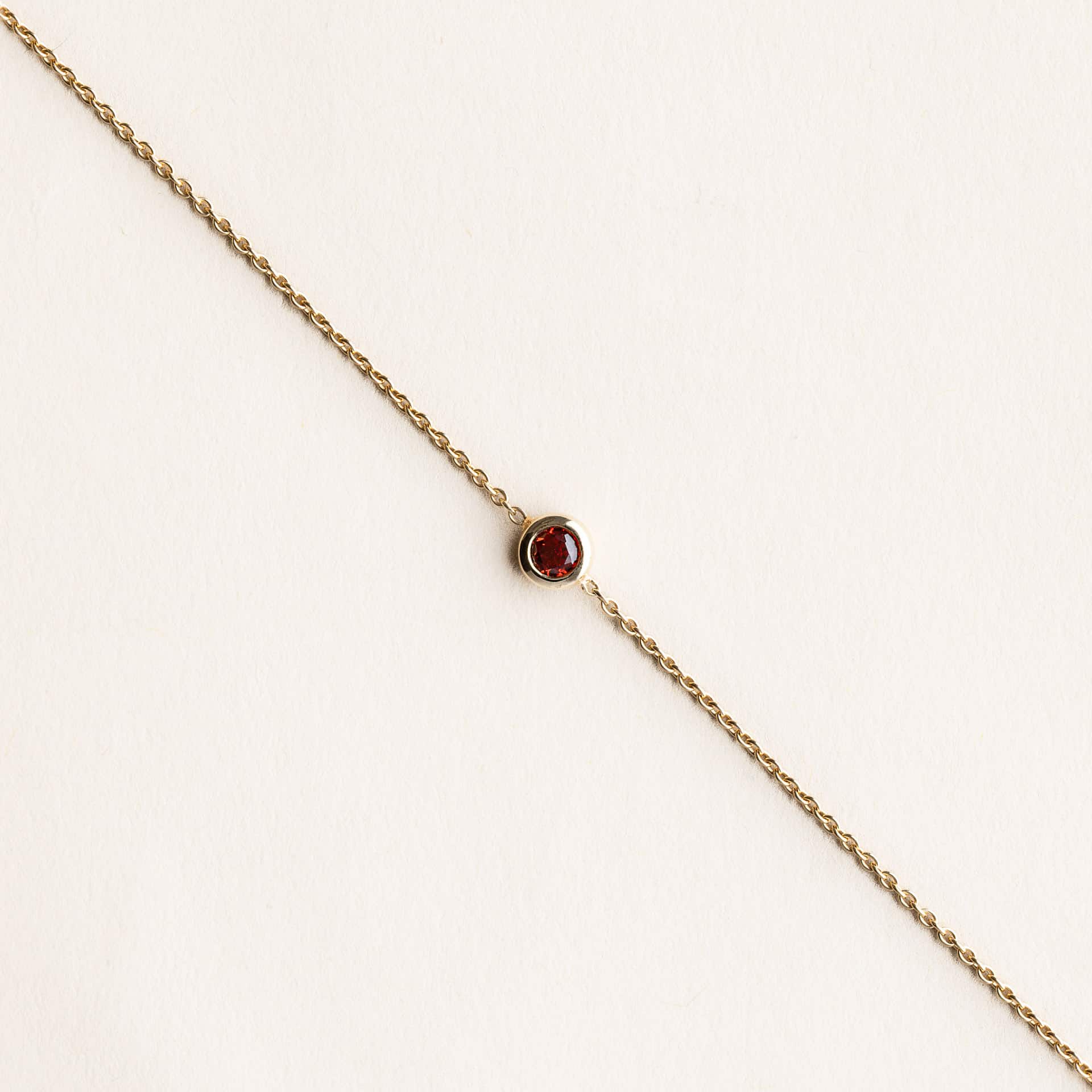
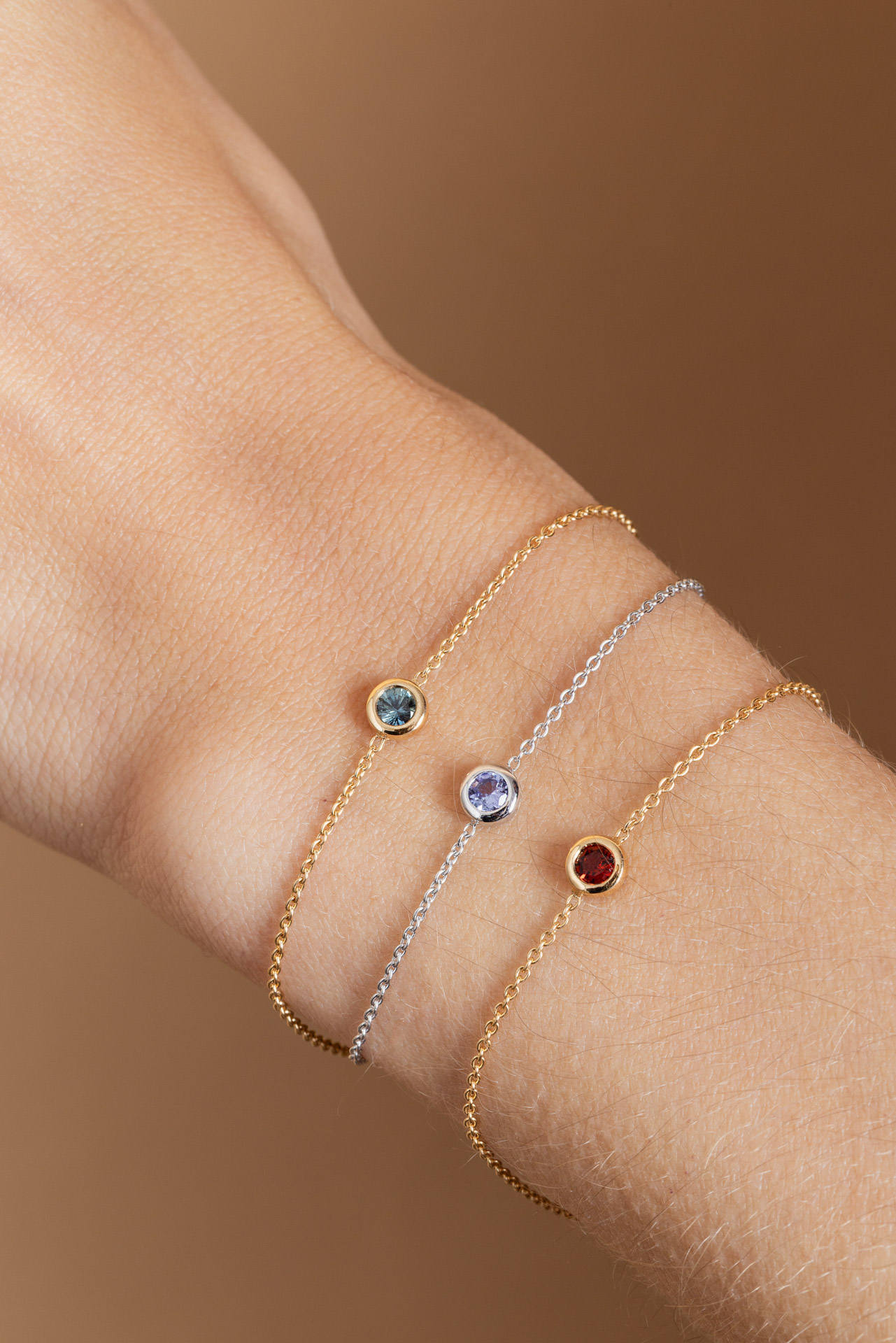
The round brilliant suits everything: a solitaire with four or six claws, a bezel, a halo, a row of small stones in a band. It has no points that need protection. For an overview of all cut families, see stone cuts.