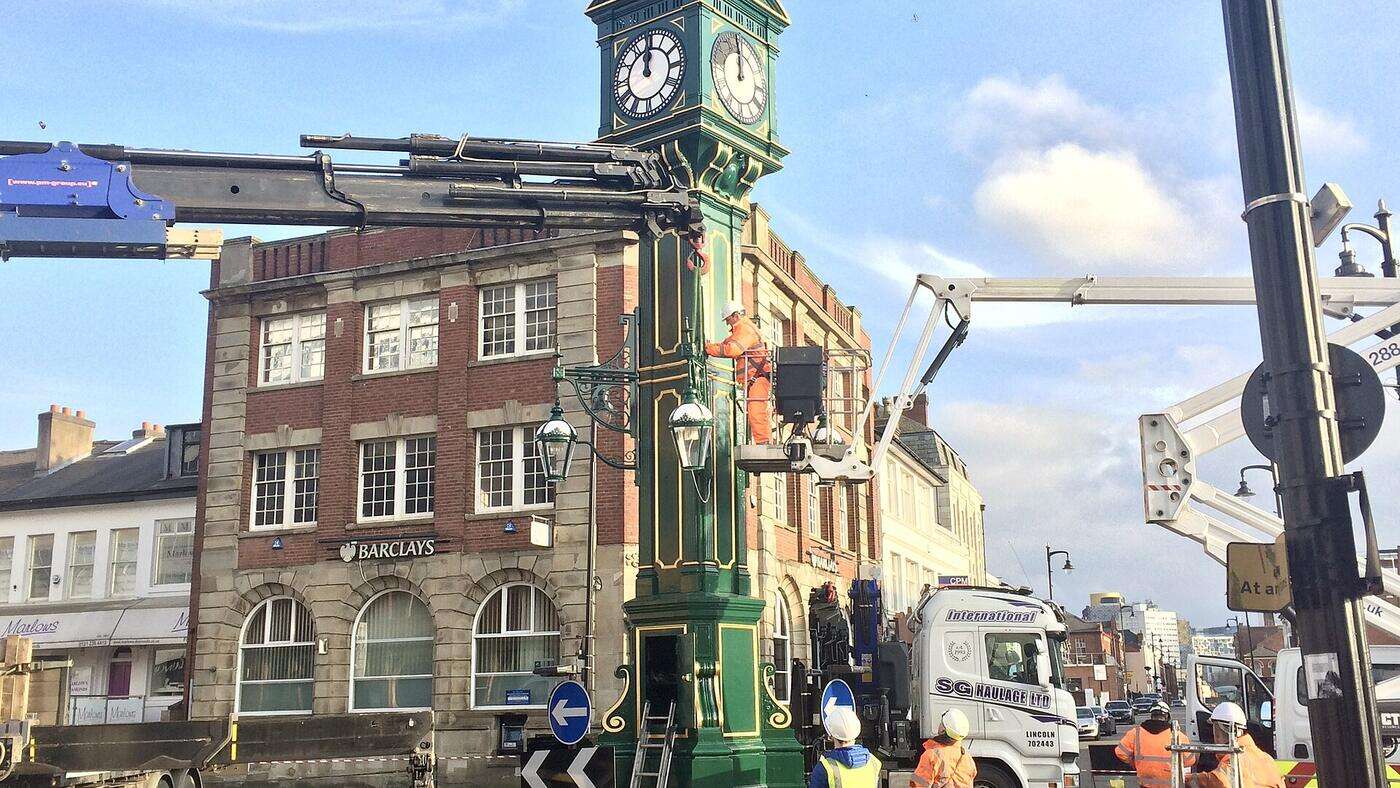
The Jewellery Quarter lies in Hockley, a short walk north-west of Birmingham city centre. Jewellery has been made here for more than 250 years, and the district is still the largest concentration of jewellery businesses in the United Kingdom.
How it grew
Birmingham was a town of metalworkers: buttons, buckles, pens, "toys" as small metal goods were called. Jewellery grew out of that trade in the eighteenth century. In the nineteenth, the Quarter filled with workshops, many of them in converted houses where each room held a different specialist: a chain maker, a stamper, a setter, a polisher, an engraver. A piece travelled from door to door until it was finished. Parts of the Quarter still work that way.
The anchor
Birmingham's Assay Office was founded in 1773, after the town's manufacturers petitioned Parliament so that they no longer had to send their silver elsewhere to be hallmarked. Its mark is an anchor. It became one of the busiest assay offices in the world, and the anchor is the most common town mark on British jewellery, see hallmarks.
What to see
- The Museum of the Jewellery Quarter is built around the Smith & Pepper factory, which closed in 1981 and was left exactly as it was, tools on the benches. It is the best place in Britain to understand how a jewellery workshop ran.
- The School of Jewellery, founded in 1890 and part of Birmingham City University, is the largest jewellery school in Europe.
- Workshops and showrooms throughout the district, from manufacturers to independent designer-makers.
Buying in the Quarter
The Quarter has many retail shops, particularly for engagement and wedding rings, alongside makers who work to commission. The advice is the same as anywhere: ask who made the piece, look for the full hallmark, and ask for an independent grading report with a diamond of some size.
See the goldsmiths in Birmingham on Lujoro.