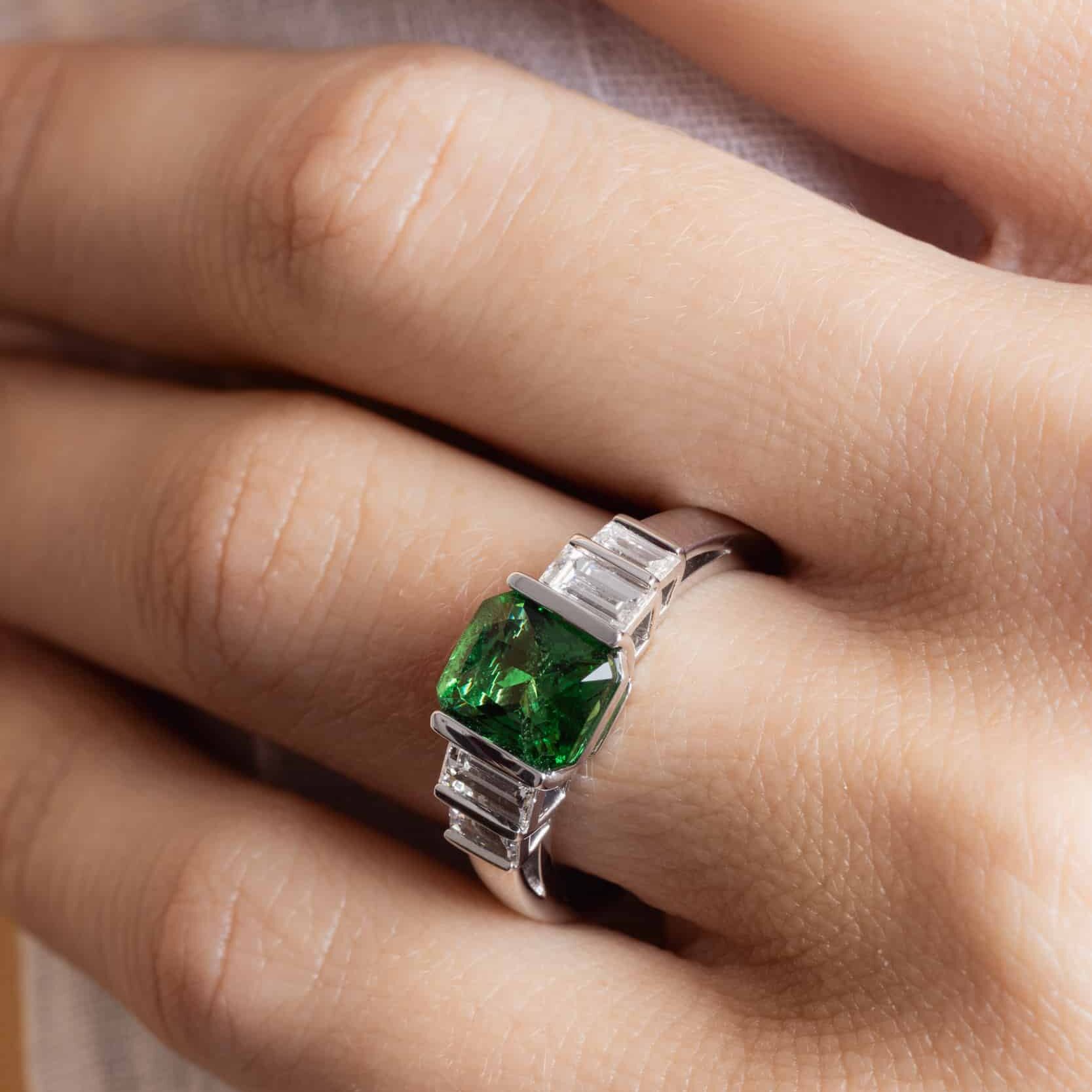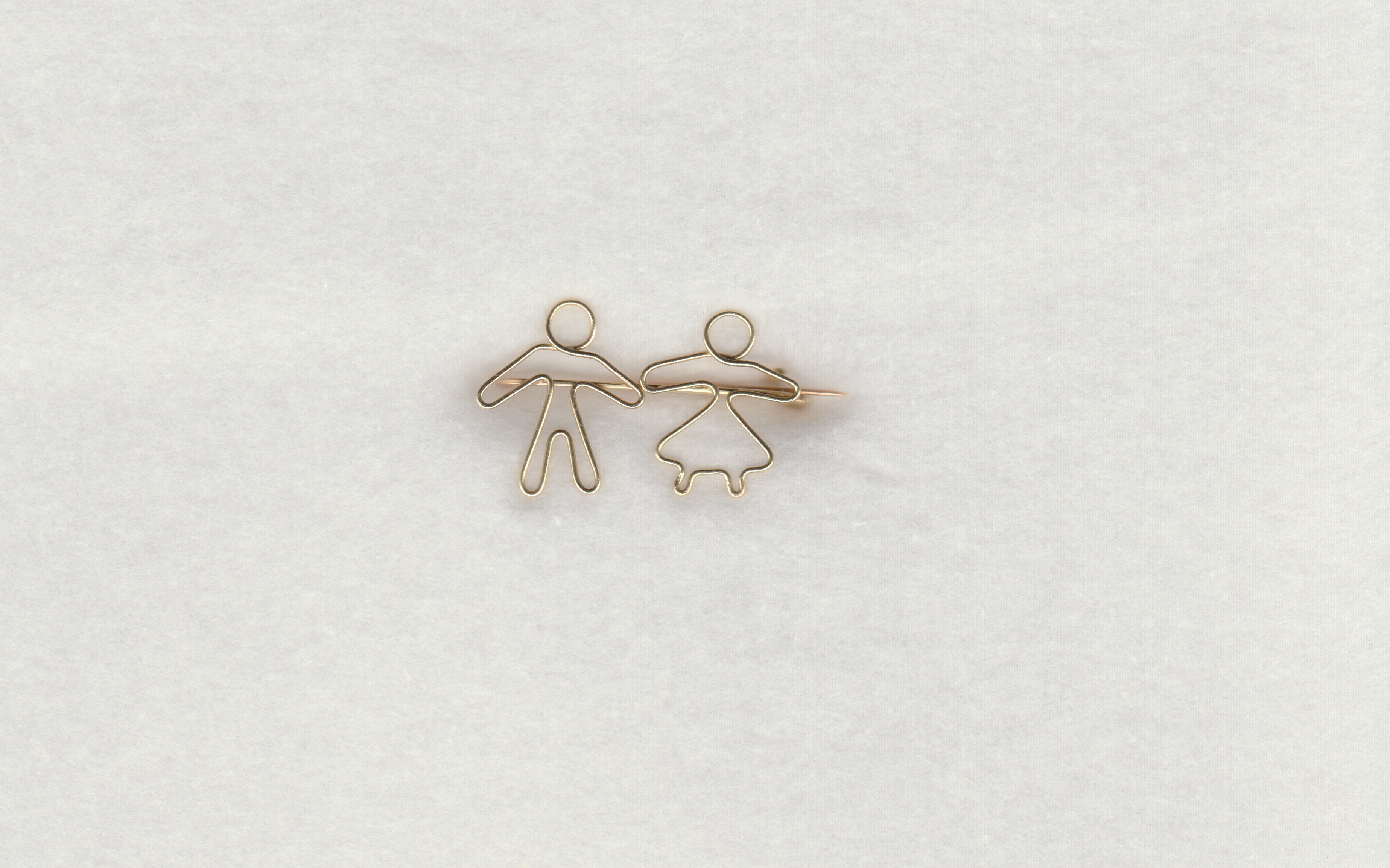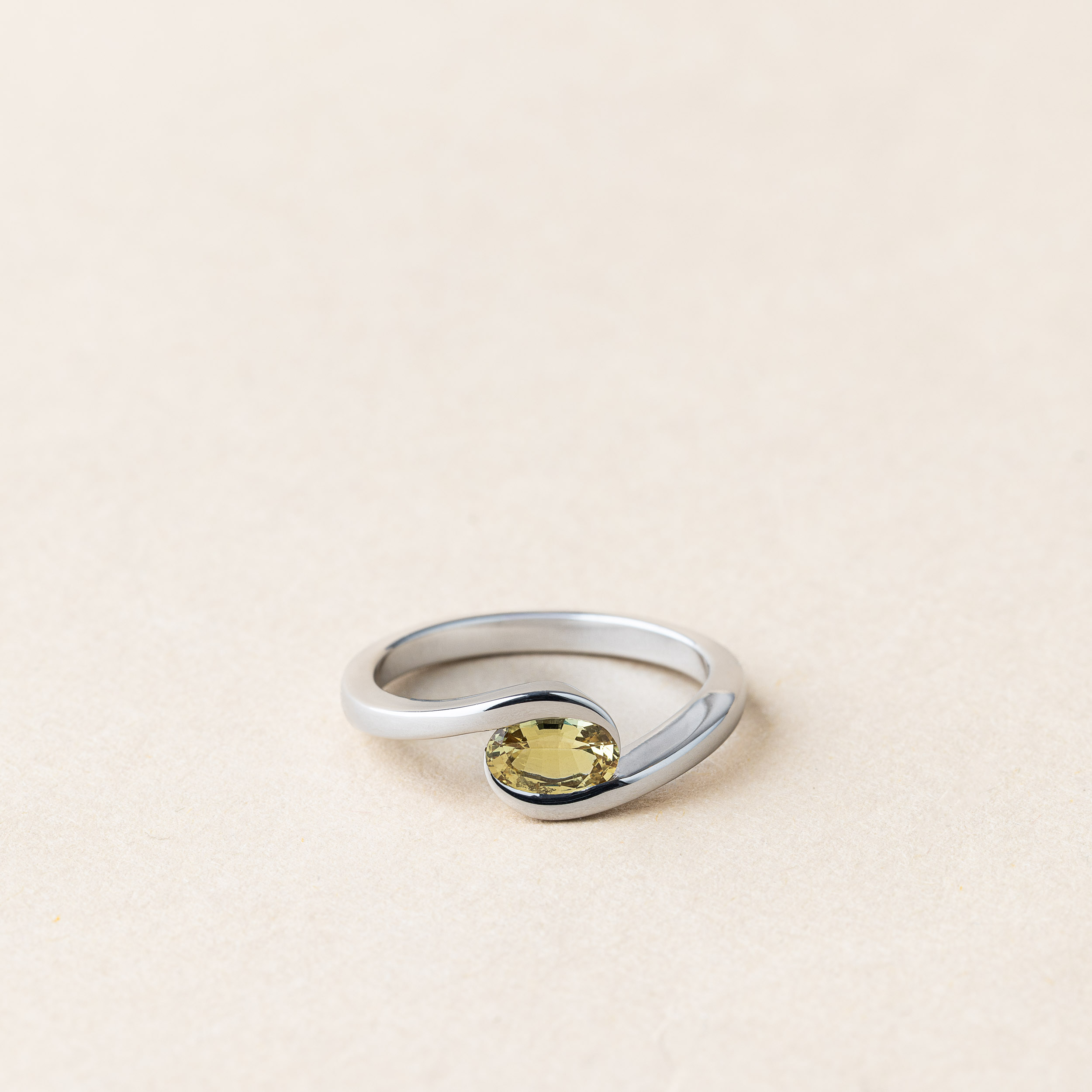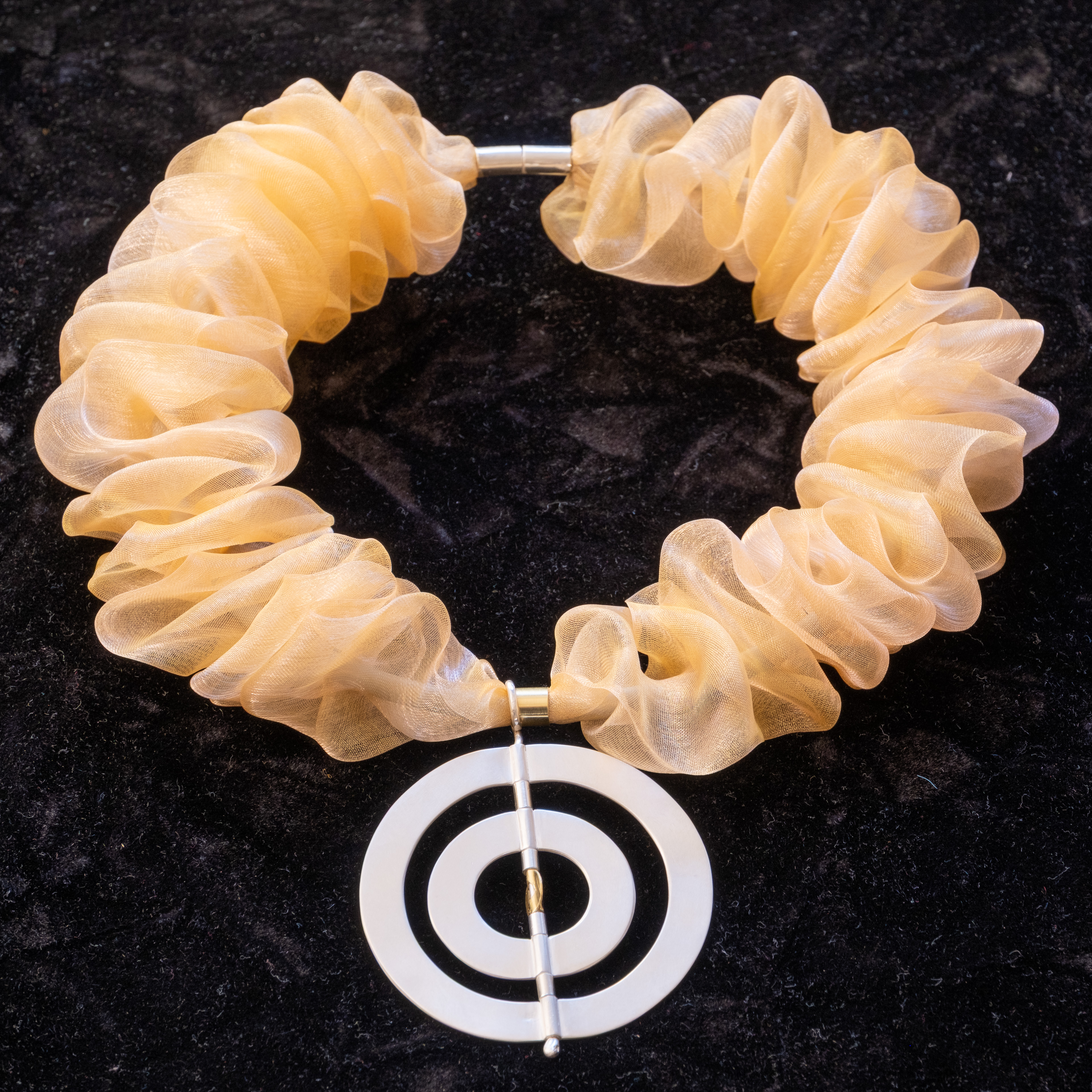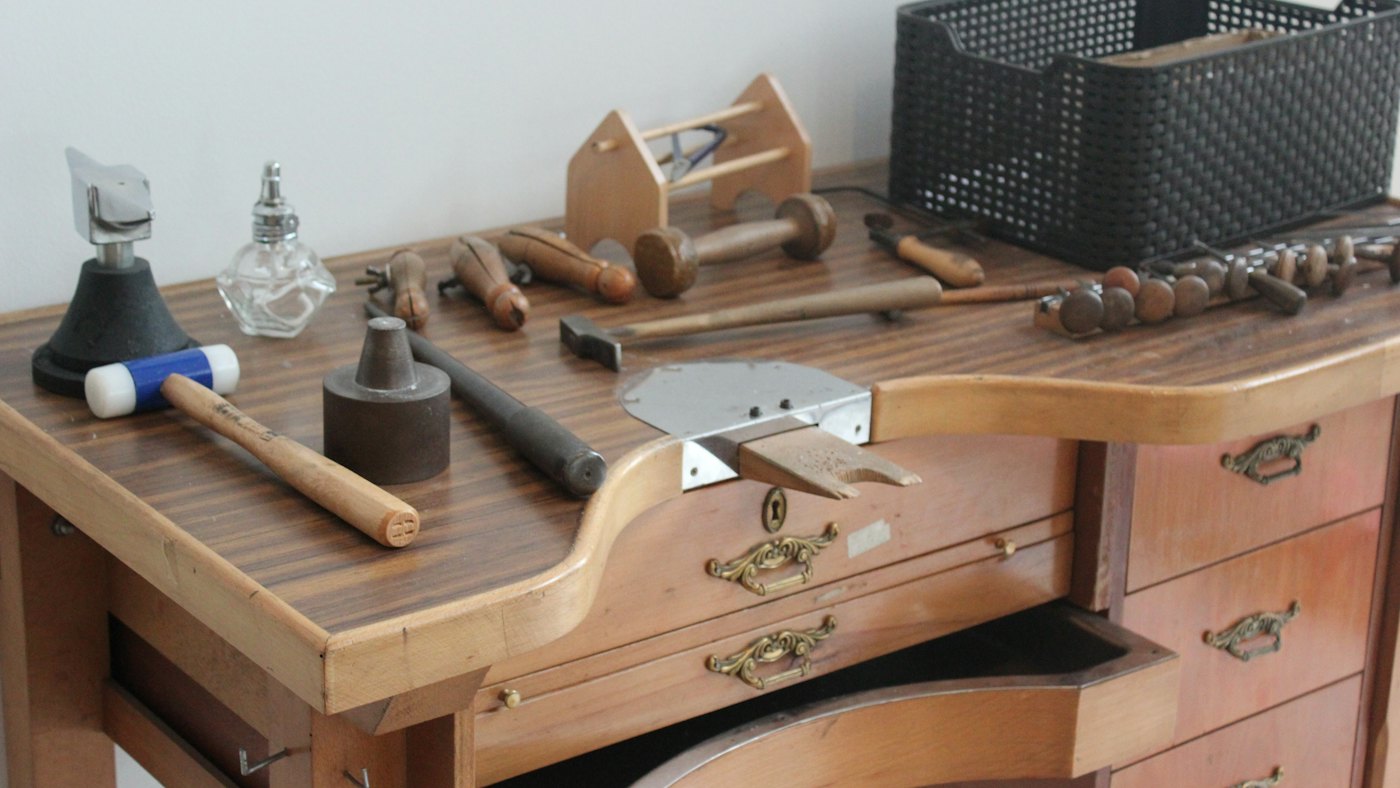
Forging is the oldest way of making jewellery and still the core of the goldsmith's craft. The goldsmith starts from a bar, sheet or wire of metal and works it with hammers, a rolling mill, pliers, files and a torch until it has become the piece. Nothing is poured; every shape is pushed into the metal by hand, and the metal remembers it.
What happens to the metal
Hammering and rolling compress the metal, driving its crystals closer together and making it harder and denser, a change the trade calls work hardening. When the metal becomes too hard to move, the goldsmith heats it until it glows a dull red, which lets the crystals reorganise and makes it soft again: annealing. This cycle of working and annealing is repeated many times in a single piece, and the goldsmith reads the metal by its sound under the hammer and the way it springs back. The result is a dense, tough structure without the tiny pores and the coarse grain that casting can leave. A forged bar of the same alloy is measurably stronger than a cast one.
Why it matters for a ring
A forged ring shank is strong for its thickness, which is why many goldsmiths forge wedding rings and the parts of a ring that carry a setting: a thin forged shank keeps its shape where a cast one of the same size bends and wears. Forged metal also takes a very high, even polish, because there are no pores to open up under the polishing wheel, and it resizes cleanly, because it is sound all the way through. Claws that hold a stone are forged from wire for the same reason.
How it differs from casting
In lost-wax casting the shape is made in wax and then poured in metal. Casting allows shapes that cannot be forged, such as flowing sculptural forms and hollow volumes, and it repeats a design cheaply. Forging is suited to clean lines, bands, wire work, and anything built up from parts that are then soldered together. Most workshops combine both: a cast head on a forged shank is common, and neither is better in itself. Where it matters is in a piece that takes daily wear at a thin section, and there forging wins.
What it costs
Forging is hours at the bench: rolling, hammering, annealing, filing, fitting, soldering, polishing. For a plain wedding band the difference with a cast band is small, an hour or two; for a complex fabricated piece it is most of the price. What you pay for is a piece with no seams where none should be, made once, for you, and sound through and through.
Recognising forged work
You cannot always see it, but there are hints: crisp edges, even thickness, a surface that polishes to a mirror without pinholes, visible construction from separate parts soldered together, and no faint texture of a mould. The surest way is the maker: a goldsmith who forged a piece can tell you exactly how it was built, from which bar, and why. Ask. Most goldsmiths enjoy explaining it, and on Lujoro the technique is stated on the piece.
See hand-forged jewellery by independent goldsmiths, or describe your piece.