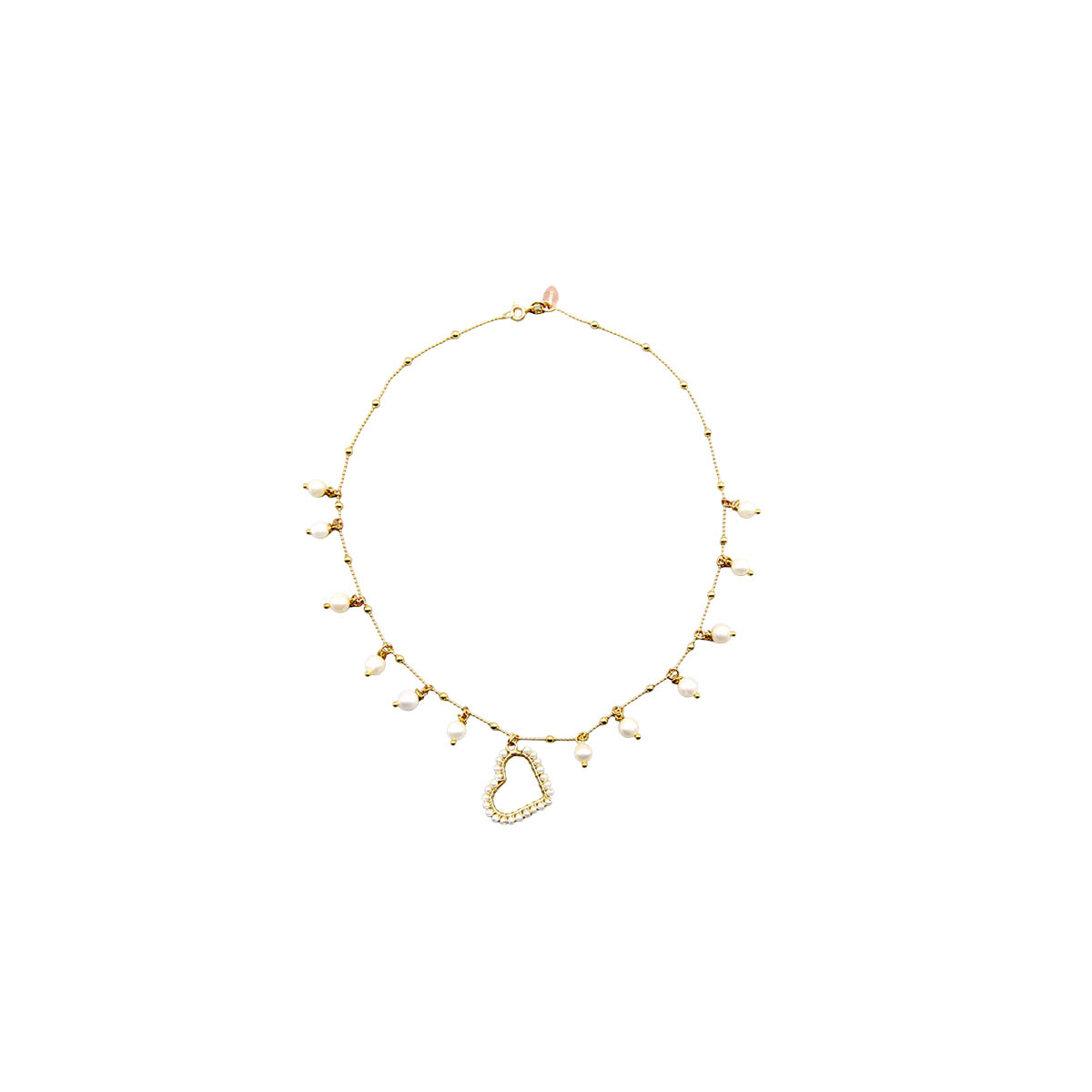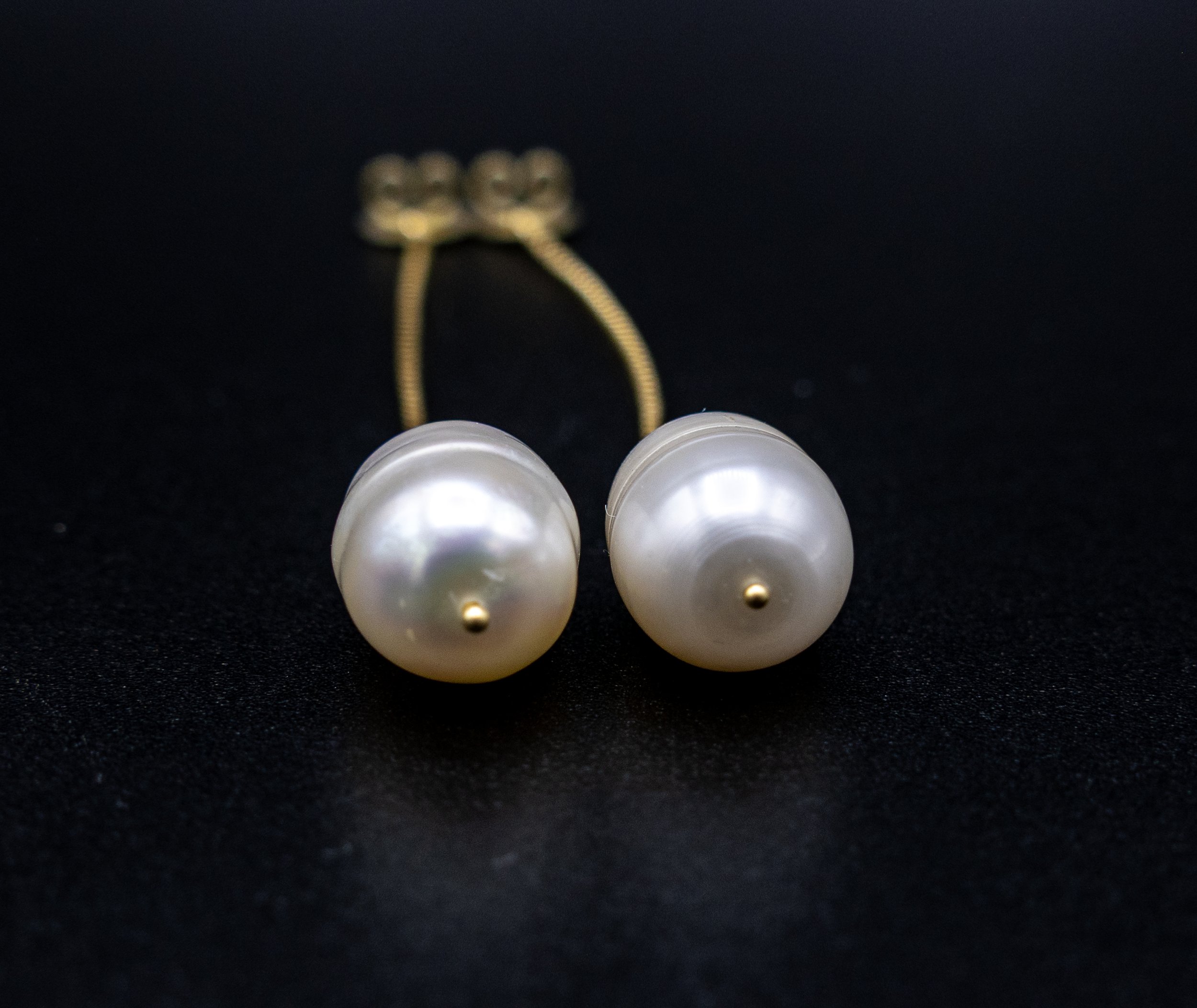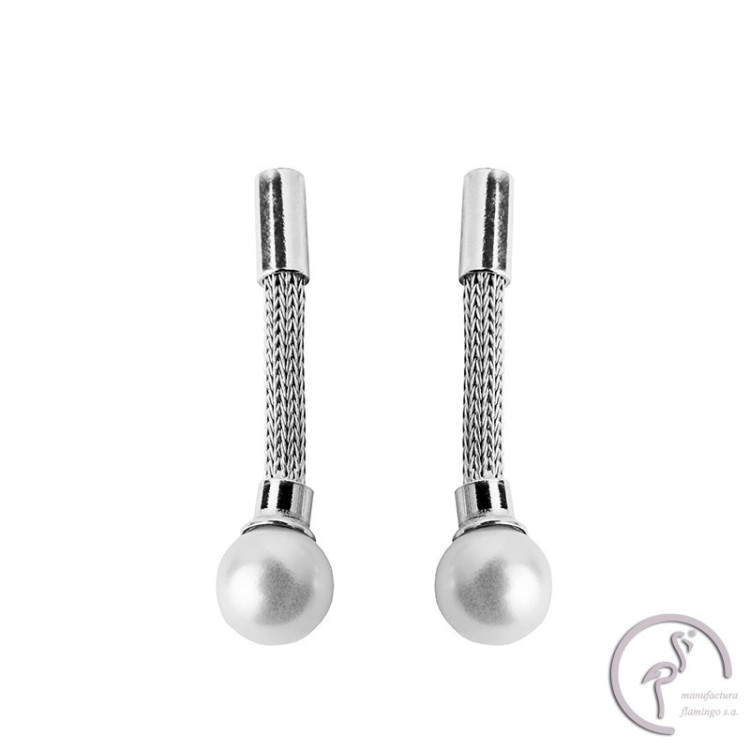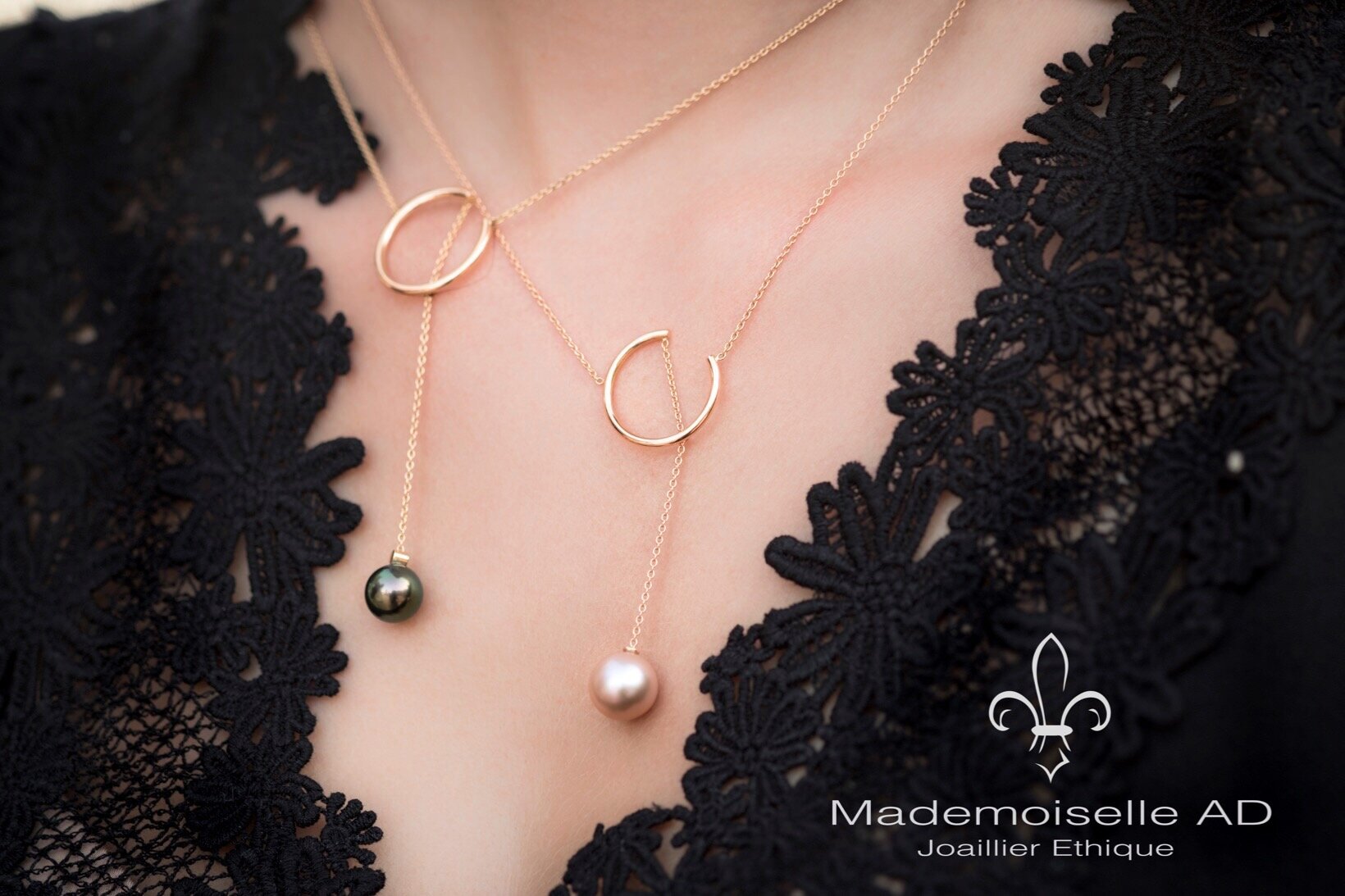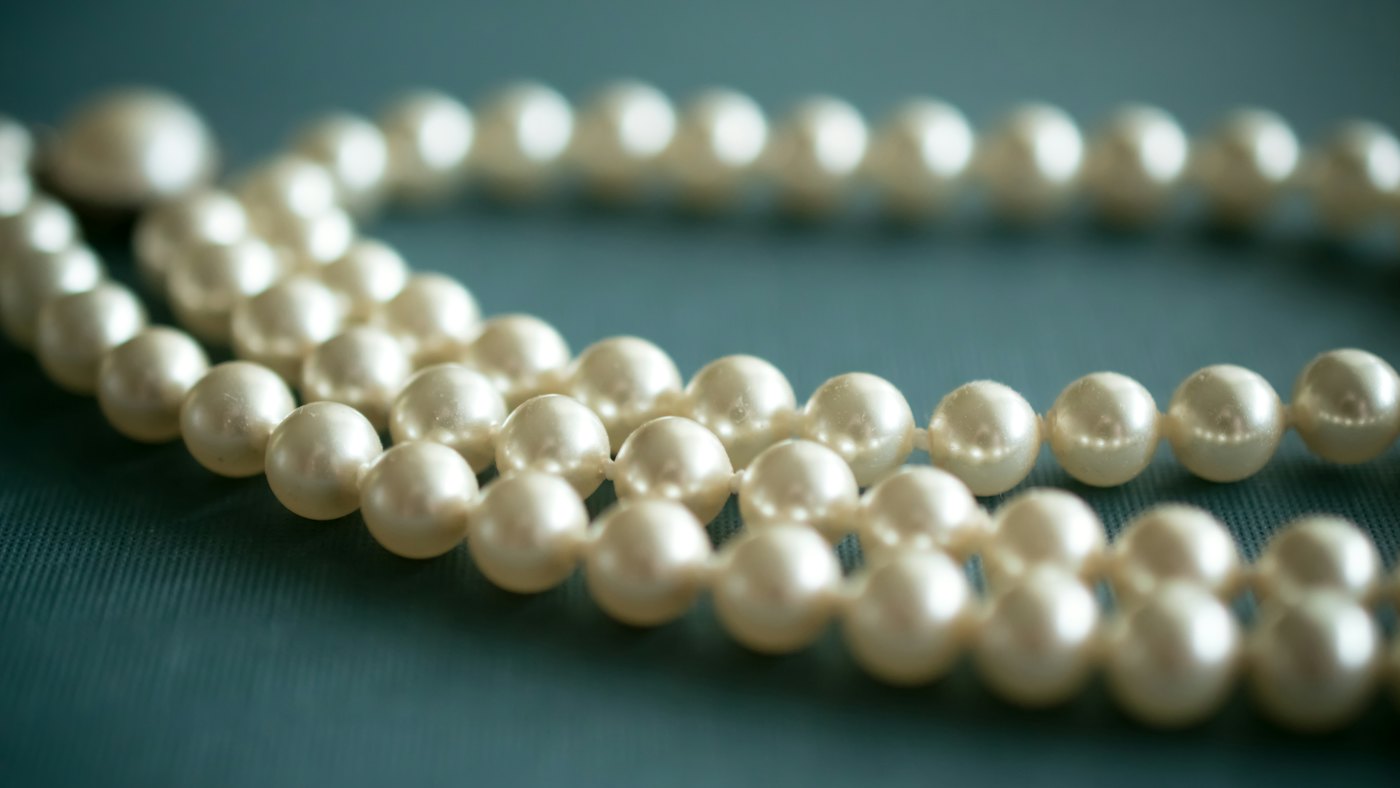
A pearl forms inside a mollusc, which coats an intruder with layer upon layer of nacre. Nearly all pearls sold today are cultured: a pearl farmer starts the process, the animal does the rest. Natural pearls, formed without human help, are very rare and mostly found in antique jewellery.
The main types
- Akoya: the classic round white saltwater pearl, mostly from Japan, with a sharp lustre.
- Freshwater: grown in mussels, mostly in China. A wide range of shapes and soft colours, and the most affordable.
- Tahitian: naturally dark pearls from French Polynesia, grey to black with green, blue or aubergine overtones.
- South Sea: the largest pearls, white to golden, from Australia, Indonesia and the Philippines.
Pearls are weighed in carat like other stones; the old pearl grain of 0.05 gram, a quarter carat, and the Japanese momme of 3.75 gram are still met in the trade.
What makes a pearl good
Lustre comes first: how sharply the surface reflects light. After that the surface (few blemishes), the shape (perfectly round is rarest, but baroque shapes have their own admirers), the size, the colour, and the thickness of the nacre. In a strand, how well the pearls match counts too.
Soft and sensitive
Pearl has a hardness of only 2.5 to 4.5 on the Mohs scale, and nacre is sensitive to acids. Perfume, hairspray, sweat and cosmetics dull it over time. The rule is: last on, first off. Wipe pearls with a soft cloth after wearing and store them apart from harder jewellery.
Never put pearls in an ultrasonic cleaner. A strand that is worn often should be restrung every few years, with a knot between the pearls, so they do not rub against each other and you lose only one if the thread breaks.
In rings
A pearl in a ring gets knocked more than one in an earring or pendant. It can be done, in a protective setting and with some care, but it is not a stone for every day. Look at pearl jewellery by independent goldsmiths.