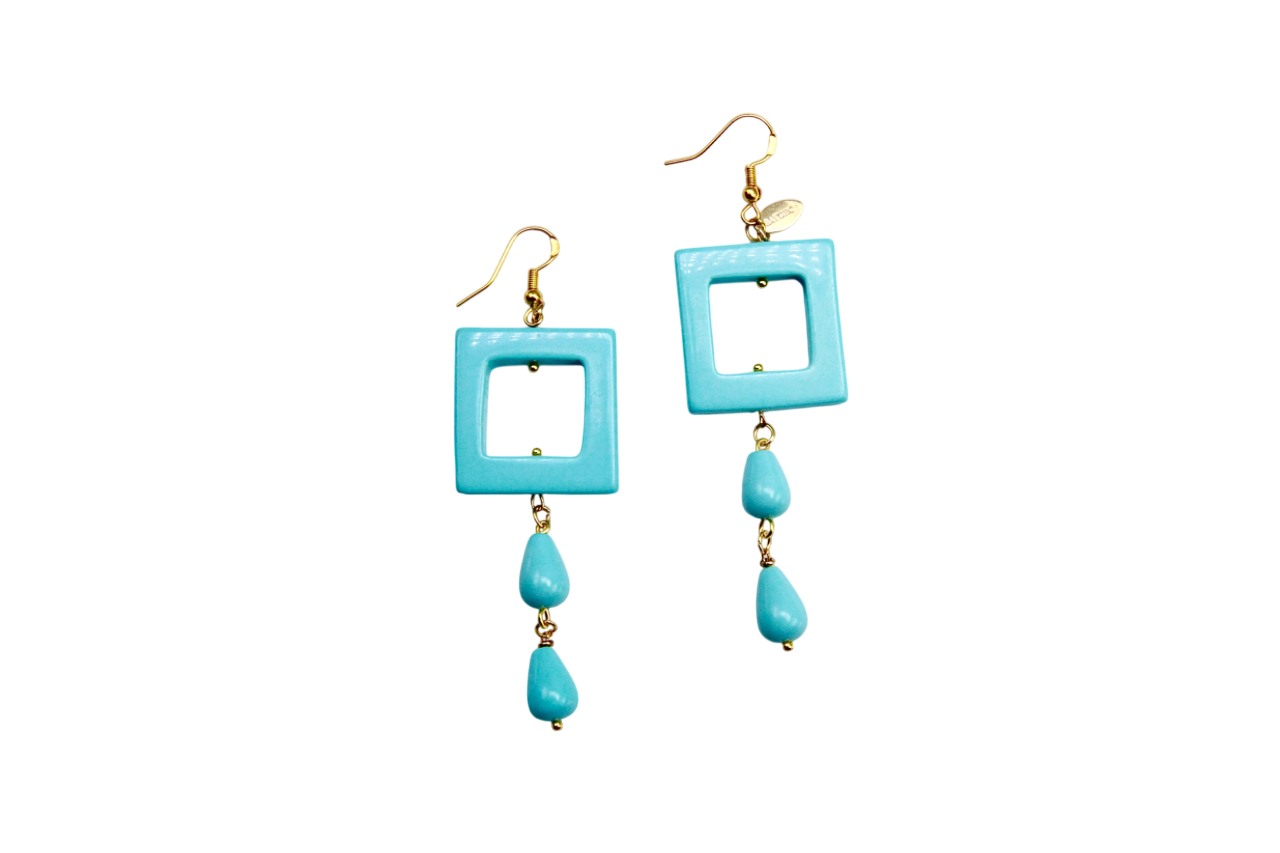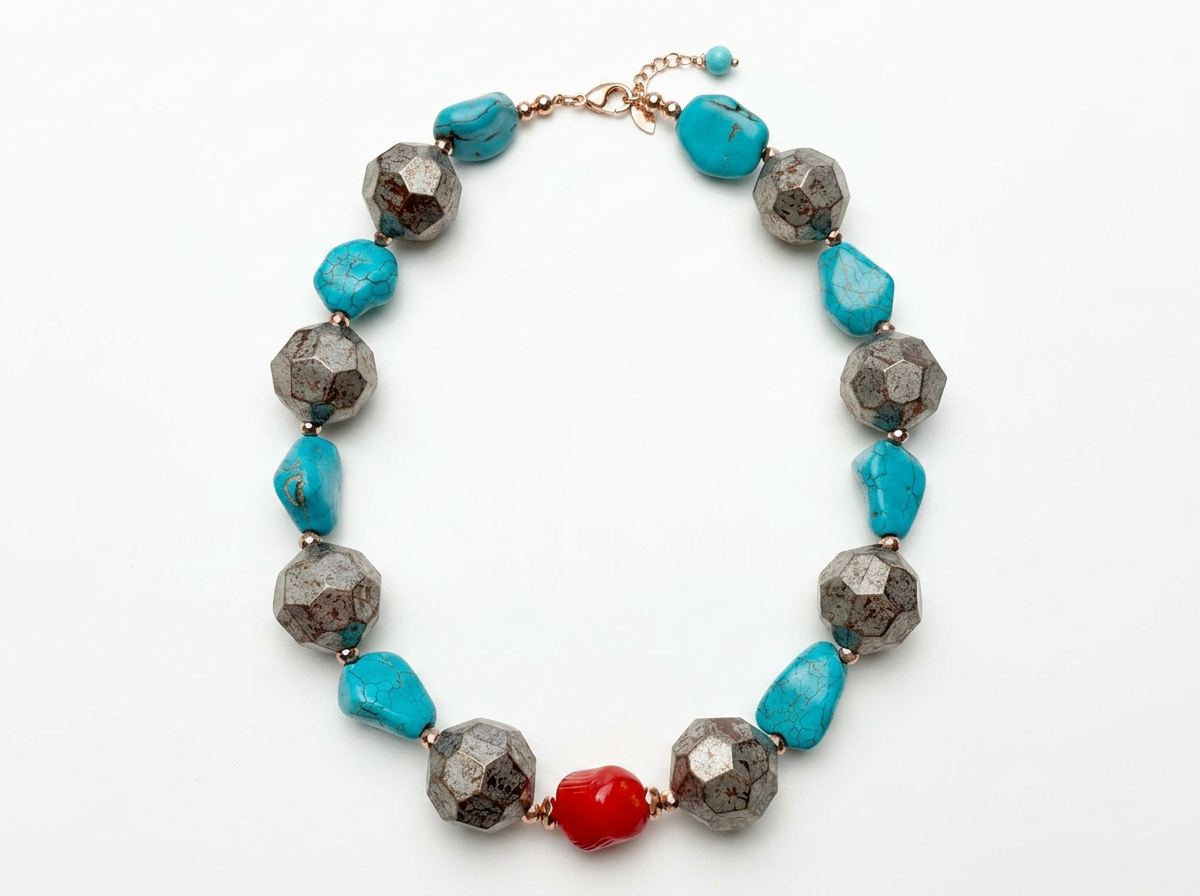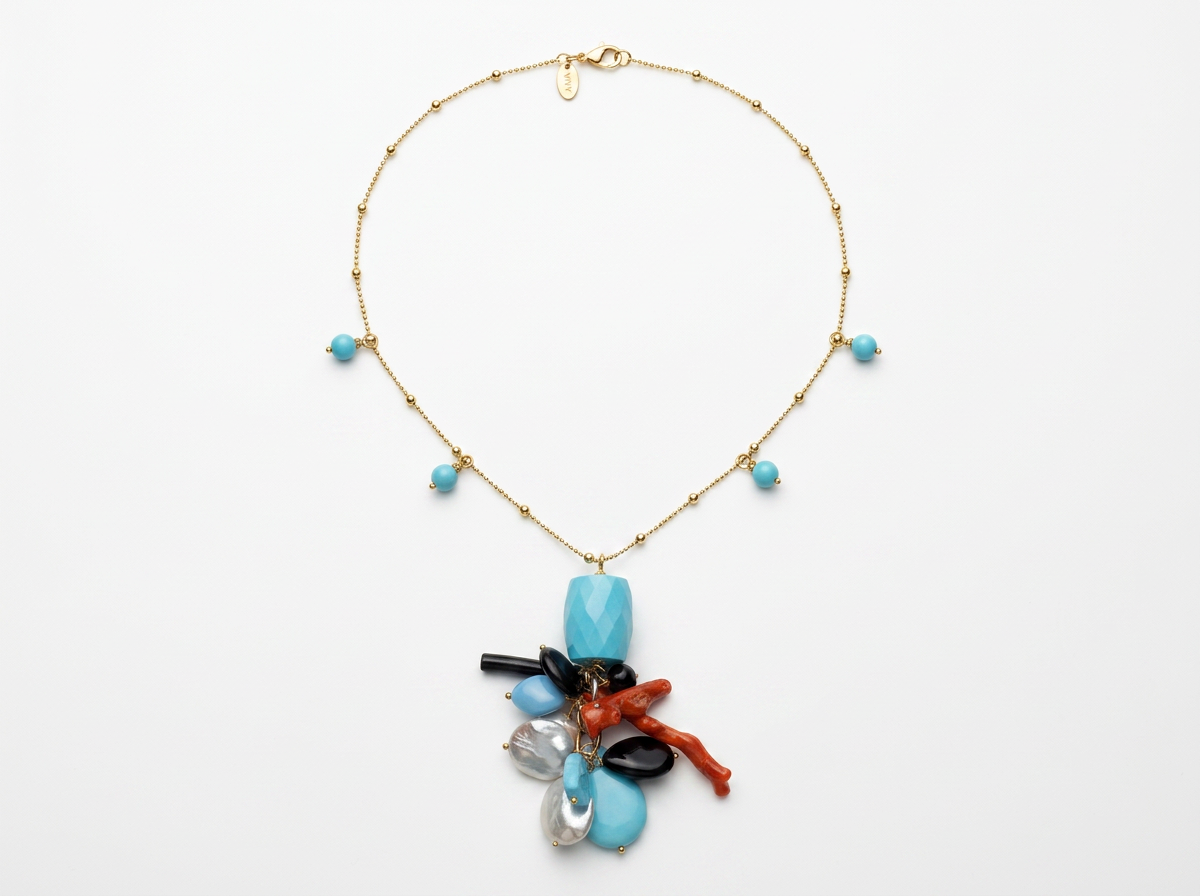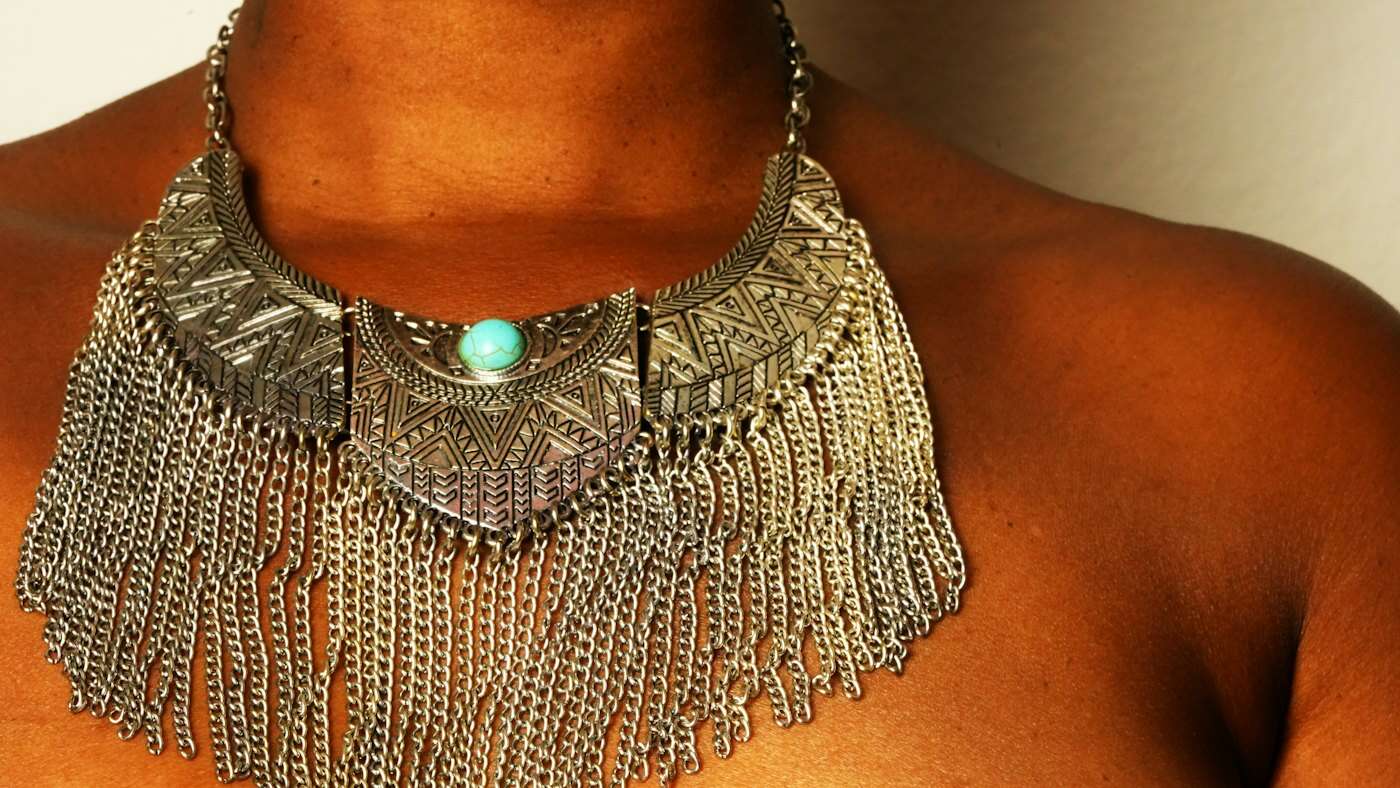
Turquoise is an opaque blue to green mineral that contains copper, which gives the blue, and iron, which pushes it towards green. It has been worn for thousands of years, from ancient Egypt and Persia to the American Southwest.
Colour and matrix
The most valued colour is an even, intense sky blue, traditionally called Persian blue after the mines in Iran. Greener stones cost less, though some people prefer them. Many stones show veins of the host rock, called matrix. A fine, web-like pattern, known as spiderweb, is prized by some collectors. Others want a clean stone. It is a matter of taste.
Stabilised, and why
Natural turquoise is often soft, chalky and porous. It absorbs skin oils and cosmetics and can change colour with wear. Most turquoise is therefore stabilised: impregnated with a clear resin that hardens it and fixes the colour. This is accepted and makes the stone practical to wear. It should be disclosed, because untreated turquoise that is hard enough to cut is much rarer and costs much more.
Lower grades are dyed as well. "Reconstituted" turquoise is powder pressed together with resin. Both should be sold as what they are.
Imitations
The most common imitation is howlite or magnesite, white minerals with dark veins, dyed blue. They look convincing in a photo. Buy turquoise from someone who can tell you where it comes from and how it has been treated.
Wearing it
Turquoise has a hardness of 5 to 6 on the Mohs scale. It is a good stone for pendants, earrings and brooches. In a ring, choose a bezel setting and take it off when washing your hands or working. See which stones can be worn every day.
Care
Keep it away from perfume, hand cream, cleaning products and prolonged contact with water. No ultrasonic cleaner. Wipe it with a dry, soft cloth.
Sources include Iran, the United States, China, Egypt and Mexico. Turquoise is a birthstone for December. See turquoise jewellery.