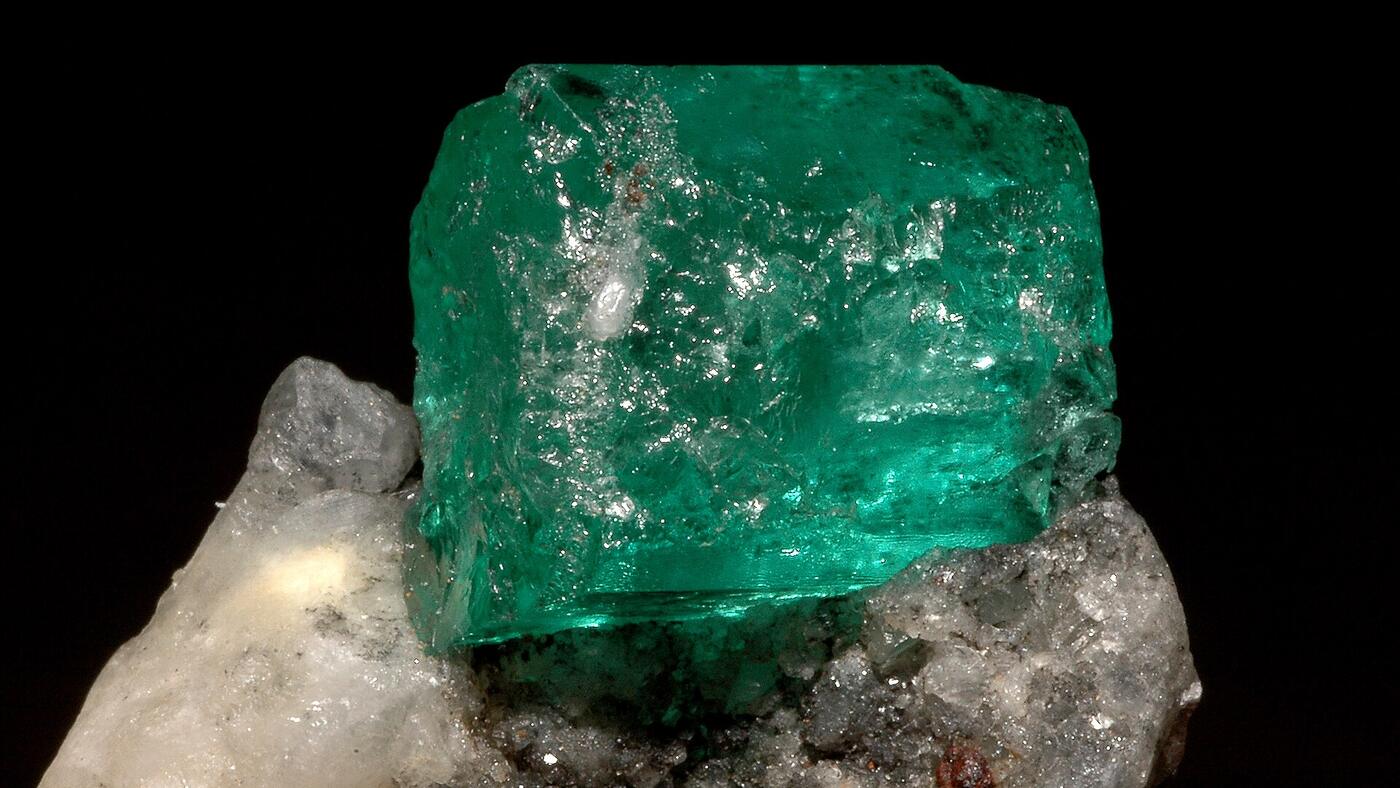
Two emeralds of the same size can differ enormously in price because one comes from Colombia and the other from Zambia. For most gemstones origin hardly matters. For a few it matters a great deal.
Why origin affects the price
Geology shapes the stone. The rock a crystal grows in decides which trace elements it takes up, and those decide colour and clarity. Rubies that grew in marble contain little iron and glow red in daylight. Rubies from iron-rich basalt are darker. The differences are real and visible, at least on average.
Reputation. Some sources produced the stones that defined what a fine ruby or sapphire looks like, often centuries ago. Their names carry a premium that goes beyond what you can see.
Rarity. The Kashmir sapphire mines were largely worked out by the end of the nineteenth century. What exists is all there will ever be.
The origins that carry a premium
| Stone | Classic origin | Also important |
|---|---|---|
| Emerald | Colombia | Zambia, Brazil, Ethiopia |
| Ruby | Myanmar (Burma) | Mozambique, Thailand, Tanzania |
| Sapphire | Kashmir, Myanmar, Sri Lanka | Madagascar, Australia, Montana |
| Tourmaline | Paraíba, Brazil | Mozambique, Nigeria |
| Opal | Lightning Ridge, Australia | Queensland, Ethiopia, Mexico |
| Spinel | Myanmar | Tanzania, Sri Lanka, Vietnam |
| Tanzanite | Merelani, Tanzania | none: it is the only source |
For diamond, origin has no effect on how the stone looks. There it is a question of ethics and traceability, see responsible gold and diamonds.
How origin is established
You cannot see origin with the naked eye. Gemmological laboratories compare the inclusions and the trace elements in a stone with reference collections from known mines. The result is stated on the report as an opinion, not as a fact, and for stones from geologically similar deposits two laboratories can come to different conclusions. A seller's word alone is not evidence. For a stone where origin is part of the price, ask for a report from a recognised laboratory, see grading reports.
Origin is not quality
This is the most important point. Origin is an average, not a guarantee. A fine Zambian emerald is a better stone than a pale, heavily included Colombian one, and costs less. Every famous source also produces plenty of mediocre material. Judge the stone first: colour, clarity, cut. Let origin decide between stones you already like.
When it is worth paying for
If you buy a stone to wear and enjoy, buy the most beautiful stone your budget allows and treat origin as a nice detail. If you buy an important stone as a lasting asset, a classic origin with a laboratory report supports its value over time.
People and places
Origin is also about how a stone was mined and who benefited. Trade in stones from some countries has at times been restricted by sanctions, and conditions differ widely from mine to mine. Independent goldsmiths who buy from small dealers often know the route their stones took. Ask, when you describe your piece.