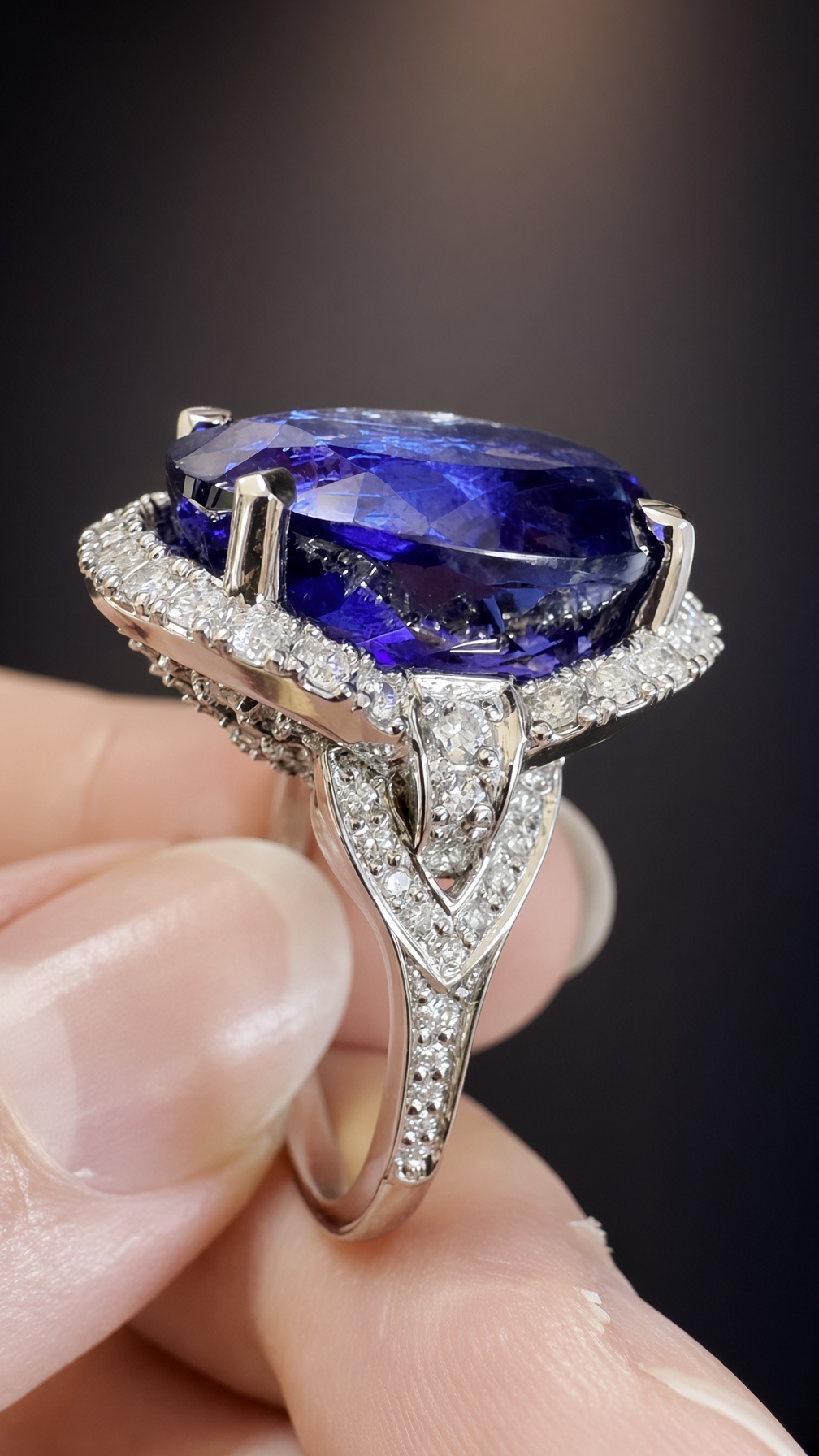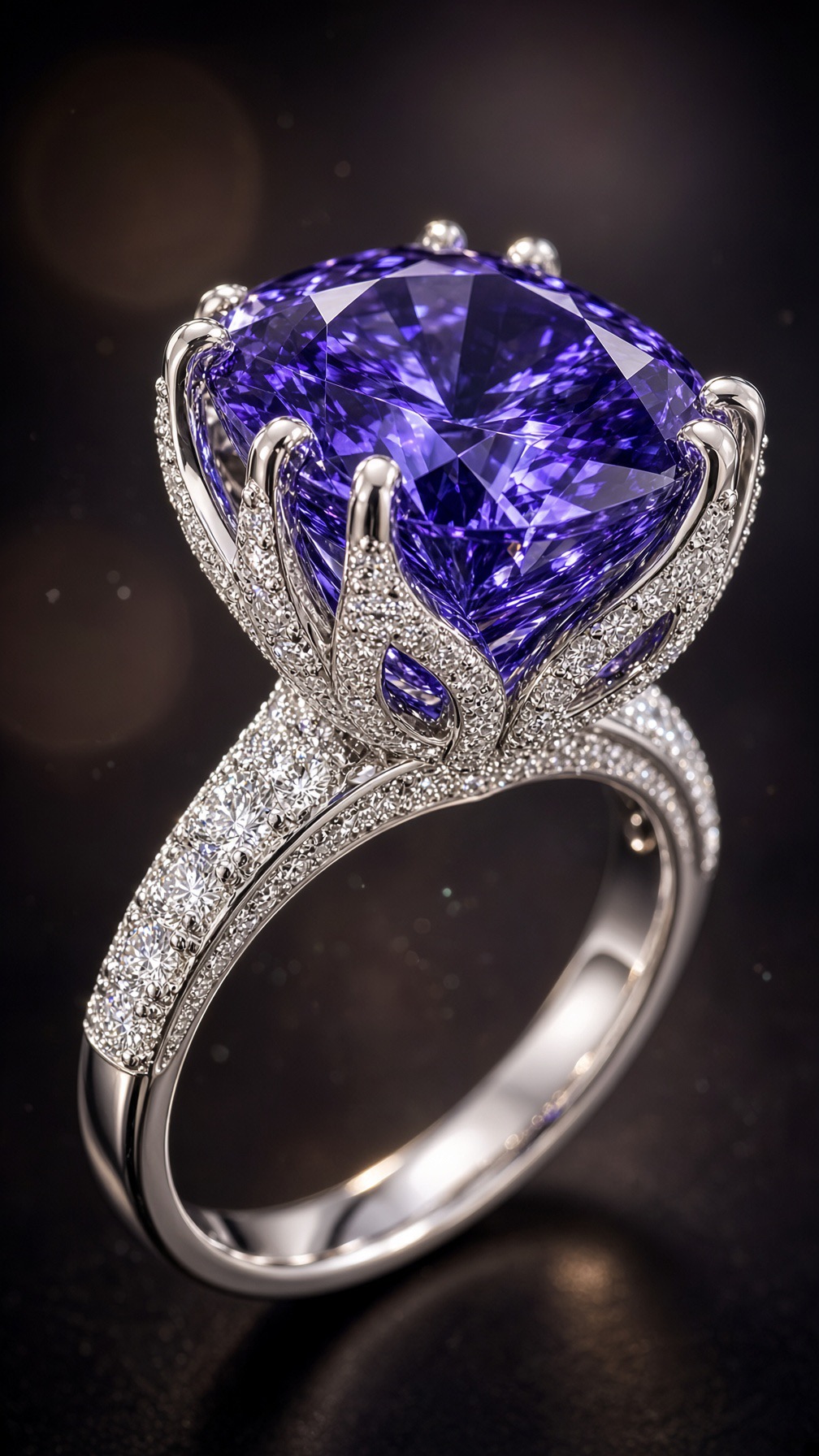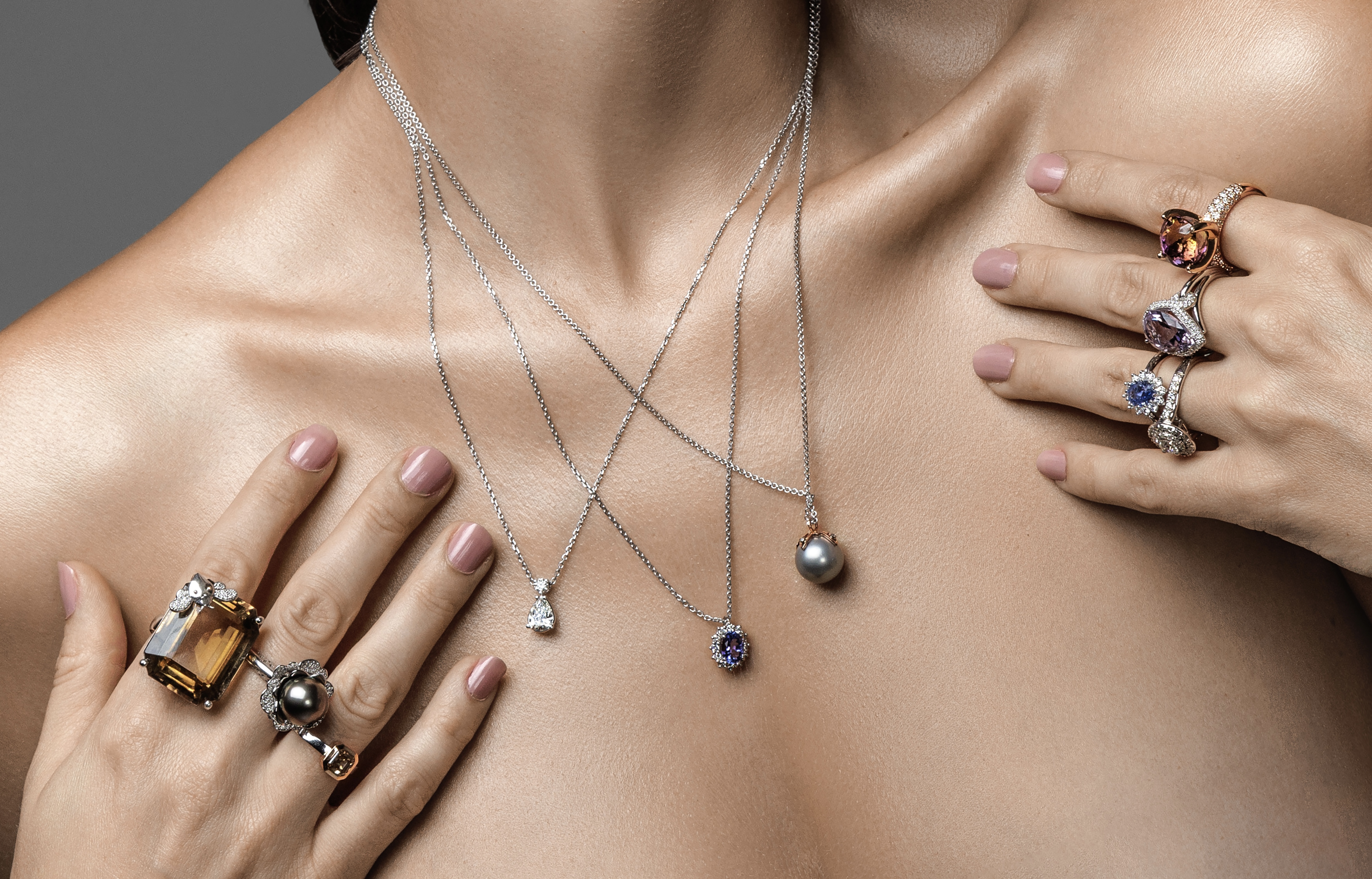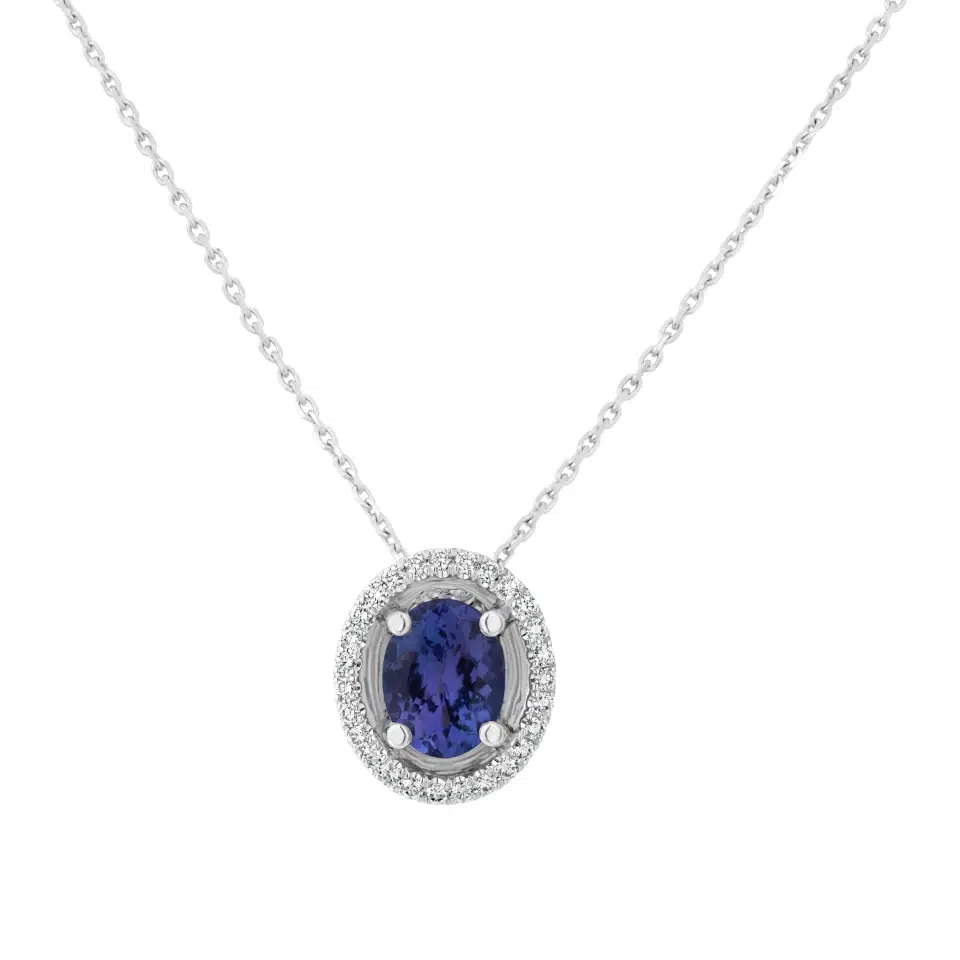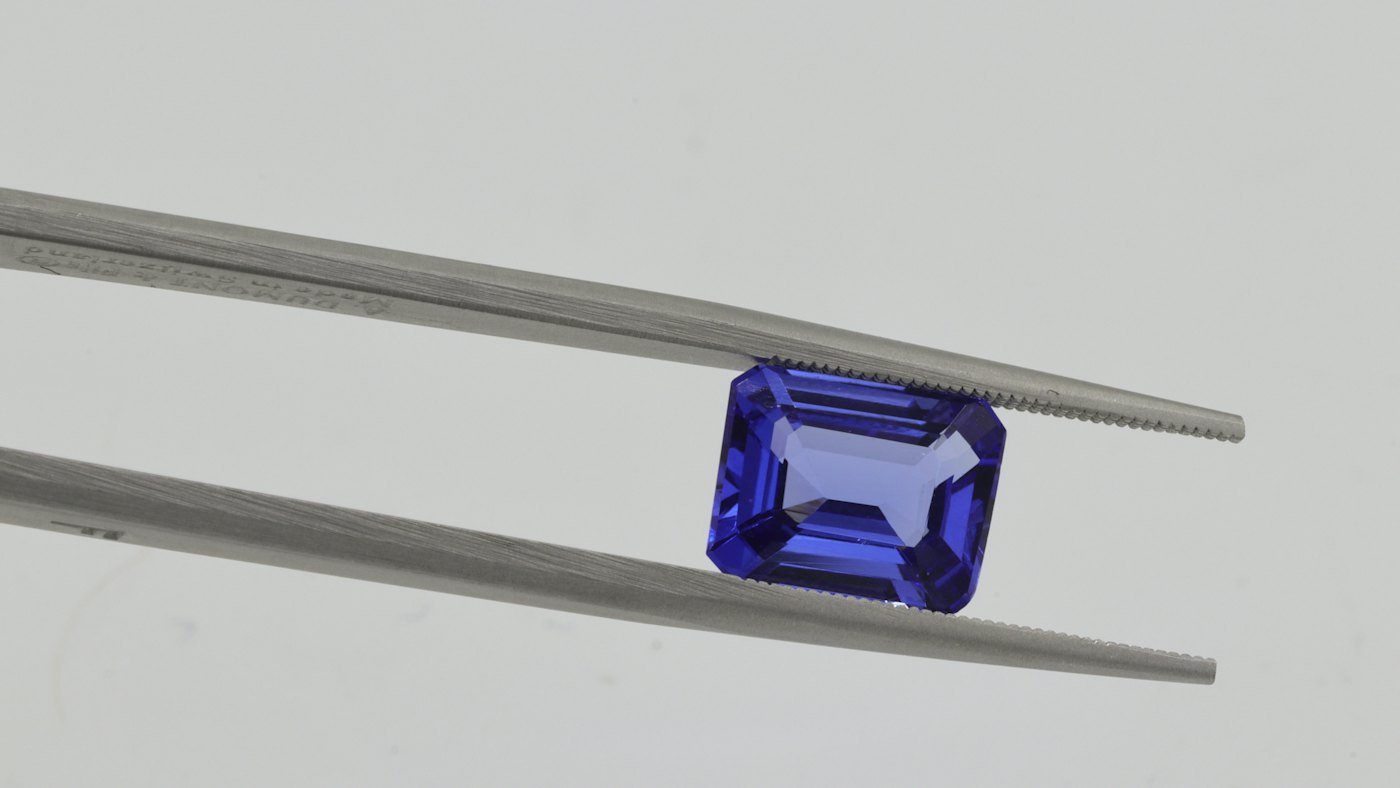
Tanzanite is the blue to violet variety of the mineral zoisite. It was discovered in 1967 in the Merelani hills in northern Tanzania, near Kilimanjaro, and that small area is still the only source. The name was introduced by Tiffany & Co., which brought the stone to market.
One source: the Merelani hills
Every tanzanite ever sold comes from one strip of land a few kilometres long in the Merelani hills, in the Manyara region of northern Tanzania, between Arusha and Kilimanjaro. No second deposit has been found anywhere. The mining area is divided into blocks: one has been worked on a large scale, the others by thousands of small-scale miners. Since 2018 a wall surrounds the area, built by the government to bring the trade under control.
For you as a buyer this means two things. Origin plays no part in the price, because there is only one, so there is no need for a laboratory report on origin as there is for emerald or ruby. And the supply is finite: once the deposit is worked out, that is all the tanzanite there will be. When that will be is not known.
In 2020 a small-scale miner, Saniniu Laizer, found the two largest rough tanzanites on record, of more than nine and five kilograms.
Three colours in one stone
Tanzanite is strongly pleochroic: depending on the direction you look through it, the same stone shows blue, violet or a burgundy tint. The cutter decides which colour faces up. Stones cut to show the purest blue lose more weight in cutting and cost more than violet ones.
Heating is standard
Most tanzanite comes out of the ground brownish. Gentle heating removes the brown and brings out the blue and violet. Nearly all tanzanite on the market has been heated. The colour is stable, and the treatment is accepted and generally assumed.
Value
Colour decides the price: the deeper and more saturated, the more valuable. Deep colour is mostly seen in stones above a few carats; small stones are often pale lilac. Tanzanite is usually clean to the eye.
Wearing it
Tanzanite has a hardness of 6.5 to 7 on the Mohs scale and can split along one direction from a hard blow. It is excellent for earrings and pendants. In a ring it needs a protective setting and is better kept for occasions than worn every day. See which stones can be worn every day.
Care
Warm water and mild soap. No ultrasonic cleaner. Tell a goldsmith what the stone is before any repair: the heat of a torch can damage it.
Tanzanite is a birthstone for December. See tanzanite jewellery.