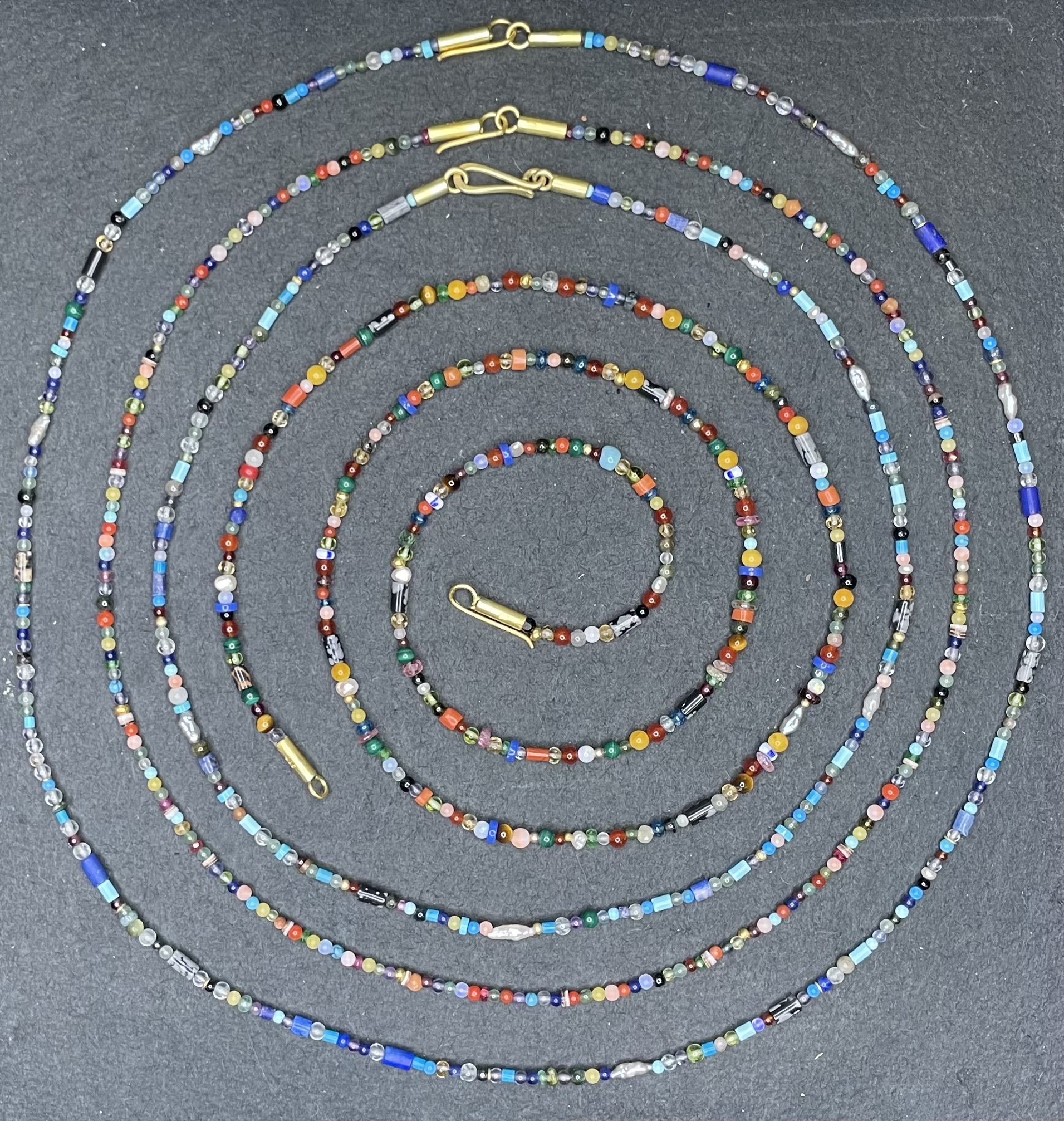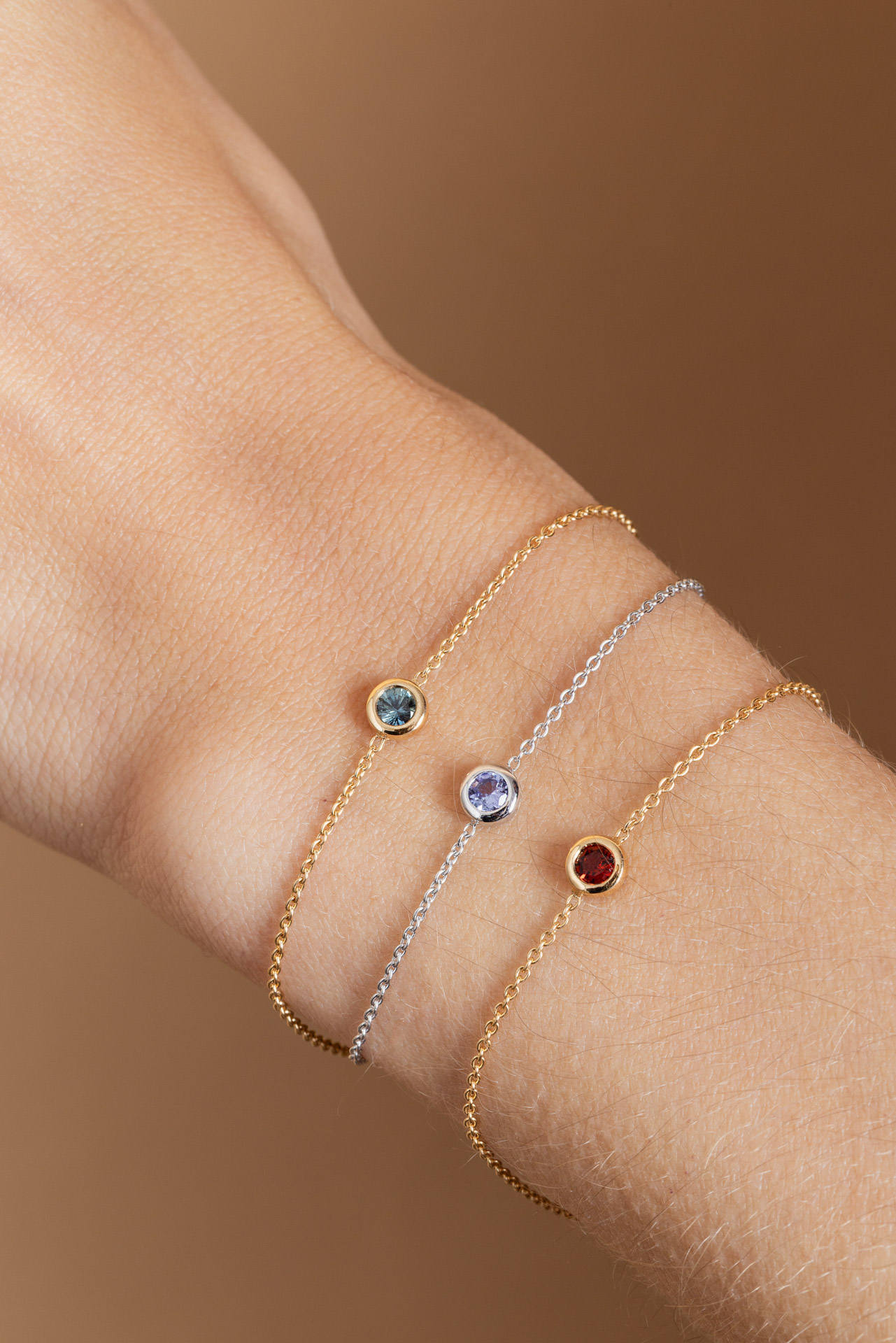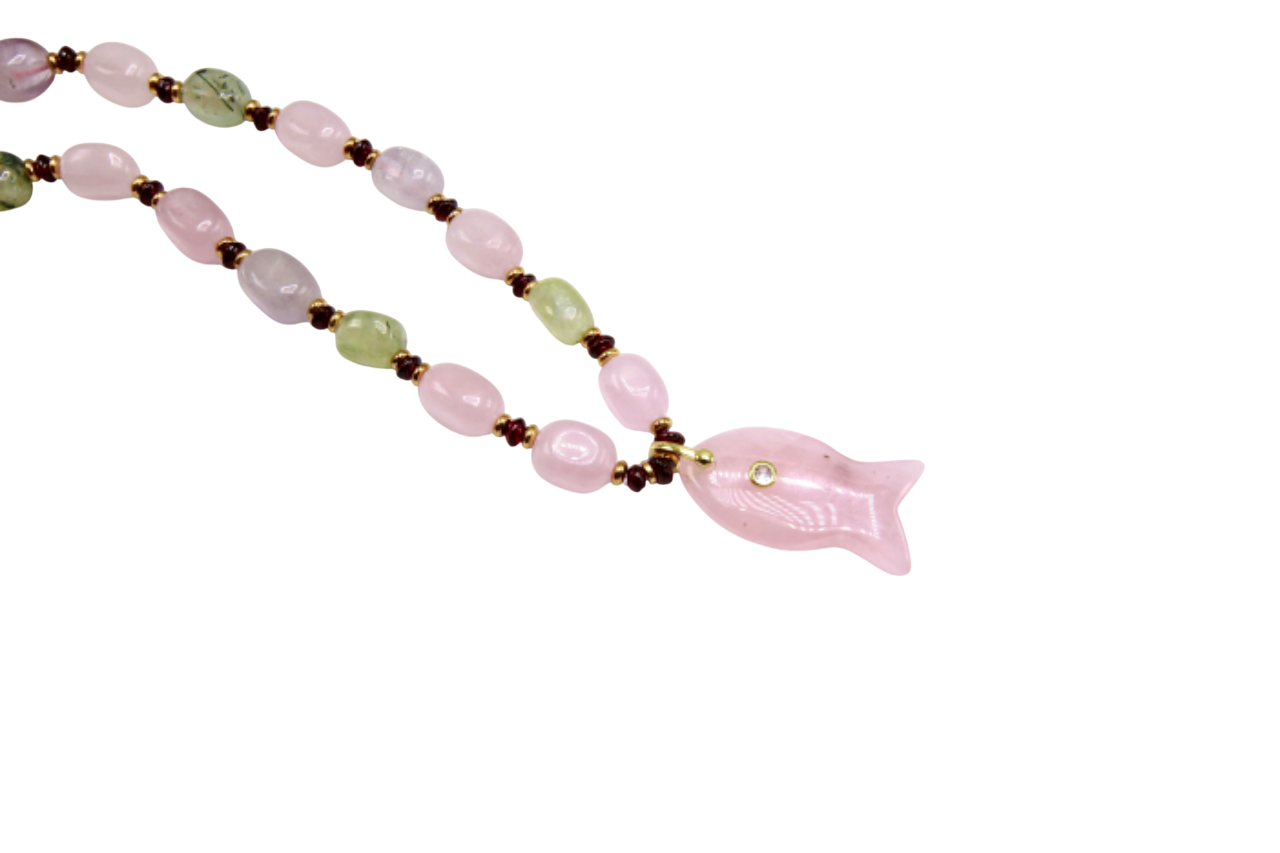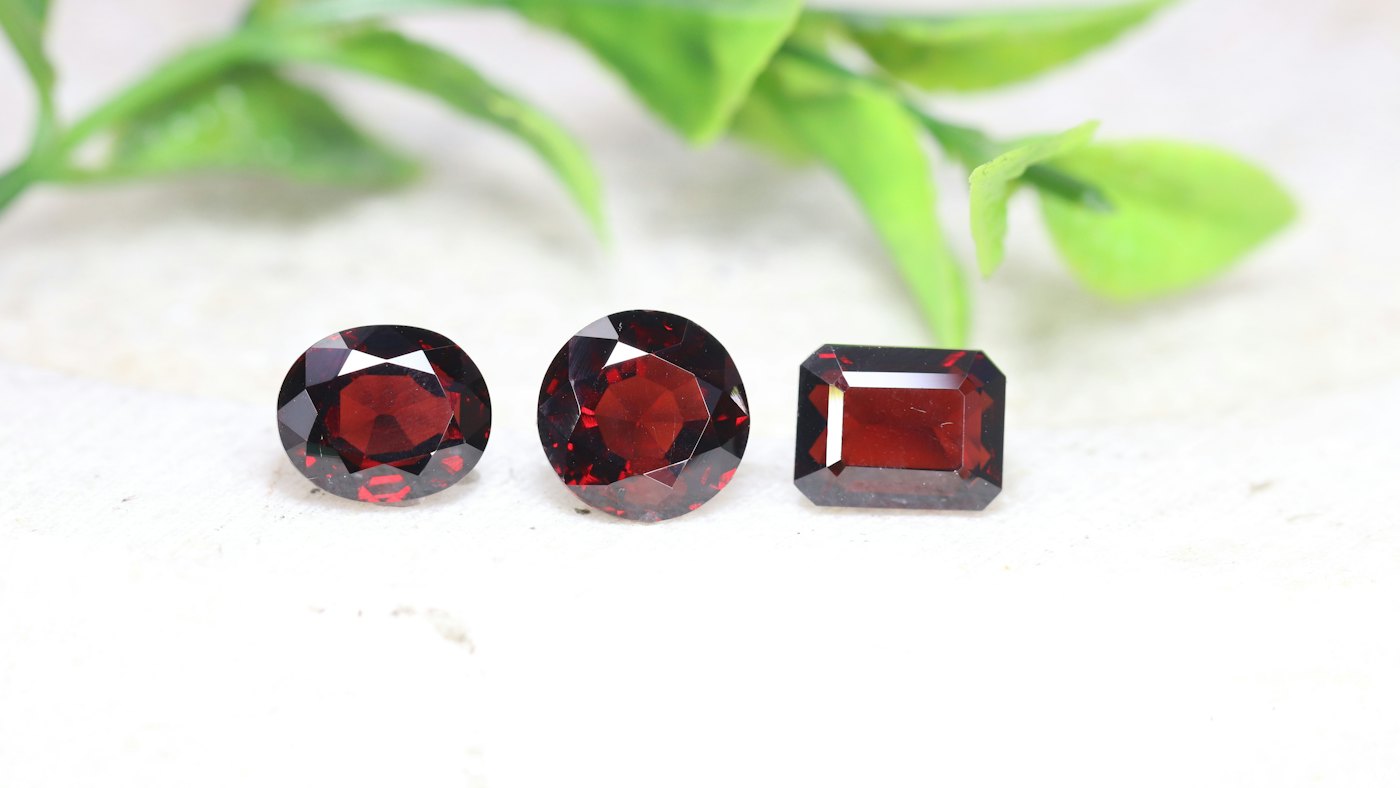
Most people picture garnet as a dark red stone, the kind set by the hundred in Victorian and Bohemian jewellery. In fact garnet is a group of related minerals that comes in almost every colour except blue, and the family holds both some of the cheapest gems there are and some of the dearest.
The family
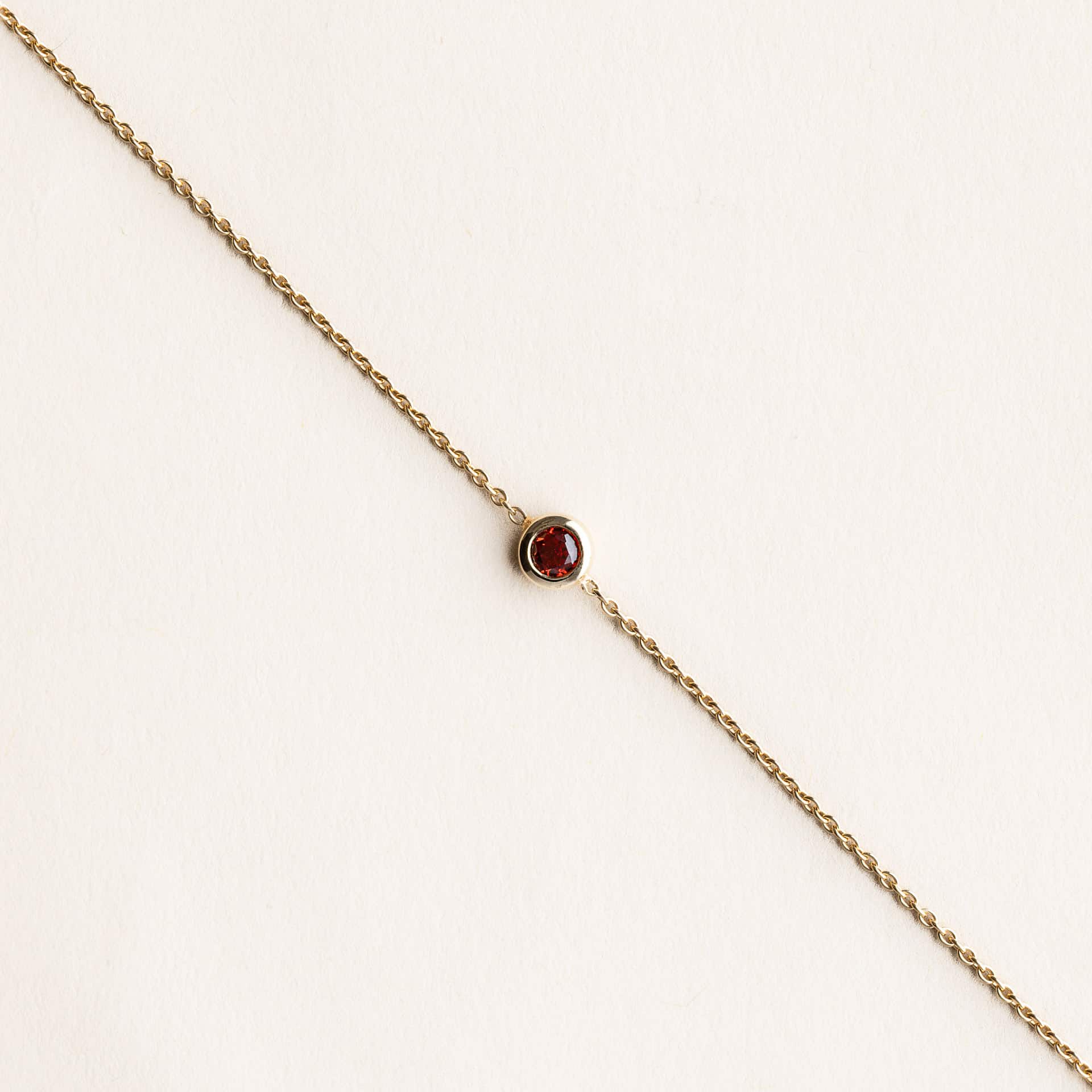
- Almandine and pyrope: the classic deep reds, widely available and affordable. Bohemian garnet, the tiny bright pyropes of nineteenth-century jewellery, came from the Czech lands and is still cut there.
- Rhodolite: a lively purplish red to raspberry, a mix of the two above, from Tanzania, Sri Lanka and North Carolina; cleaner and brighter than almandine, and a little dearer.
- Spessartine and hessonite: orange, from bright mandarin (Namibia, Nigeria) to warm cinnamon (Sri Lanka). Fine mandarin garnet is a collector's stone.
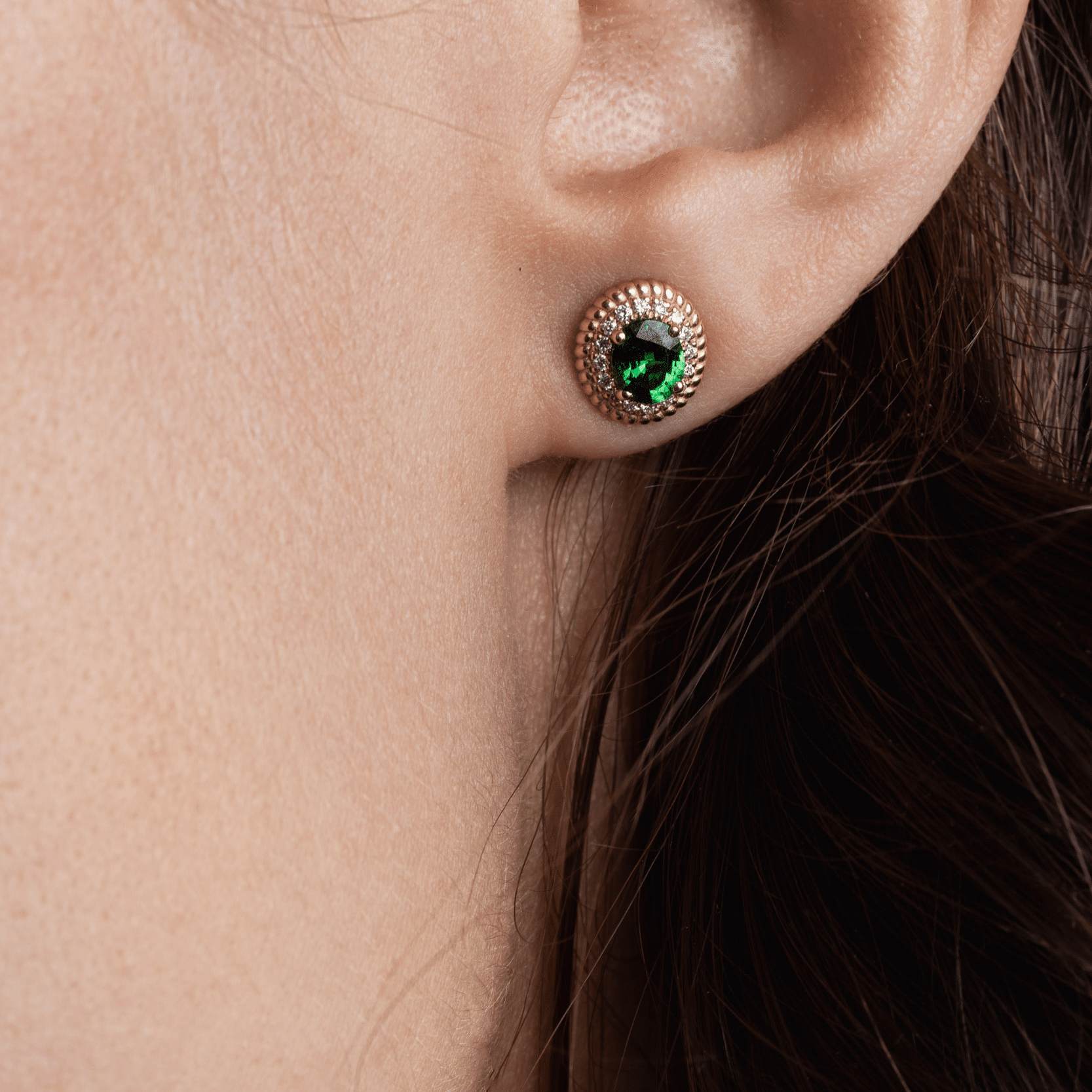
- Tsavorite: a vivid green grossular garnet from Kenya and Tanzania, found in 1967 and named after the Tsavo park, rare in larger sizes and priced like fine sapphire above two carats.
- Demantoid: a green andradite garnet with more fire than diamond, first found in the Urals in the 1850s and later in Namibia and Madagascar; the most valuable of the family, and Russian stones with "horsetail" inclusions are prized for them.
- Colour-change garnet, from Madagascar and East Africa, shifts from blue-green to purple between daylight and lamplight, and is the nearest thing to a blue garnet.
Value and treatments
Garnet is one of the few gemstones that is hardly ever treated: the colour you see is the colour it came out of the ground with. Red garnets are affordable even in large, clean stones, and the price falls further for the dark, slightly brownish almandine that most cheap garnet jewellery uses. Rhodolite, spessartine and colour-change garnet sit in the middle. Tsavorite and demantoid are in a different league and are priced per carat like fine sapphire, especially above one or two carats, because clean stones of that size are rare. For any garnet, look for a colour that is not too dark: a red garnet that reads black in a ring is the commonest disappointment.
Wearing it
Garnet has a hardness of 6.5 to 7.5, depending on the type, and no cleavage, so it suits rings that are worn regularly, ideally in a setting that protects the edges; demantoid, at 6.5, is the softest and wants a bezel. See which gemstones can be worn every day. Warm water and soap; the ultrasonic cleaner is fine for clean stones.
Where it comes from
India, Sri Lanka, Tanzania, Kenya, Madagascar, Mozambique and Namibia are the important sources today; the Czech Republic for Bohemian pyrope, Russia for the classic demantoid. Garnet is the birthstone for January and, in Britain and America, the stone of the second wedding anniversary.
Look at garnet jewellery by independent goldsmiths, or describe your piece.