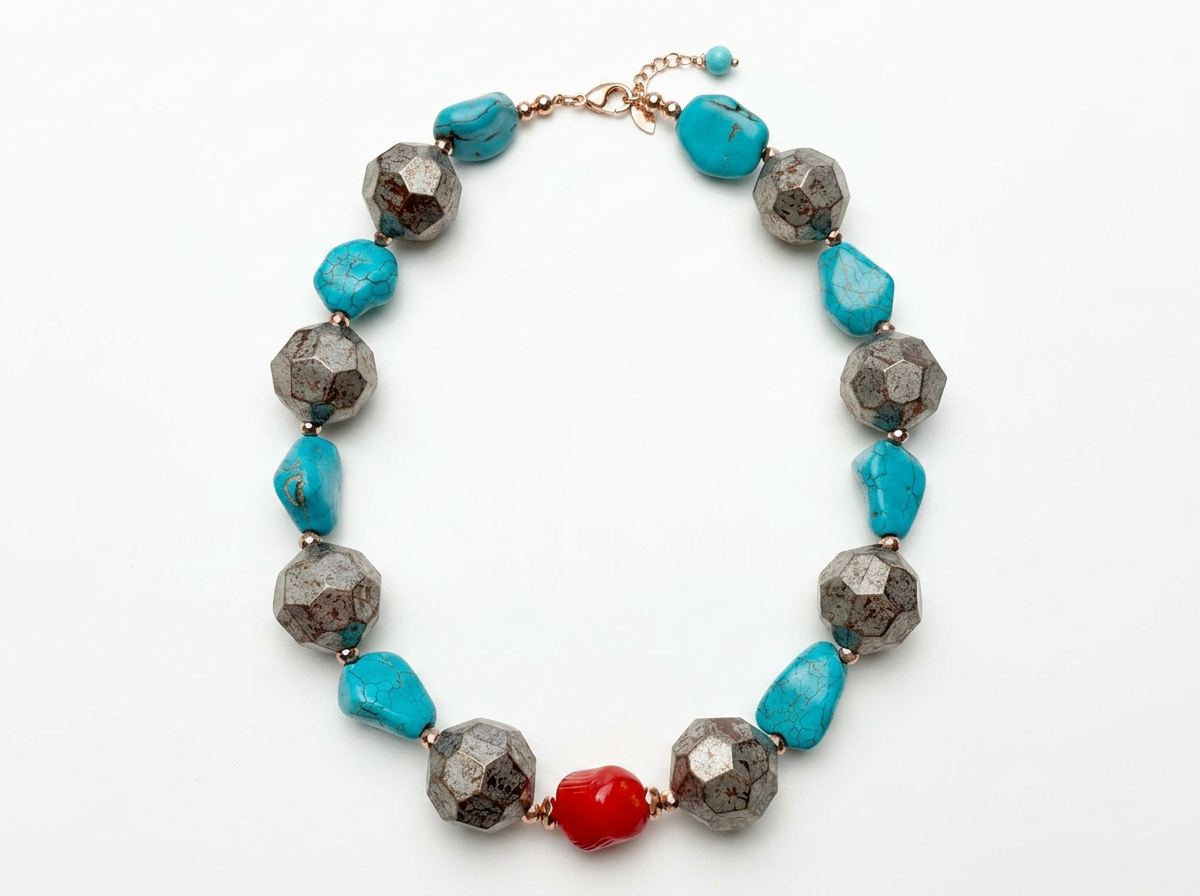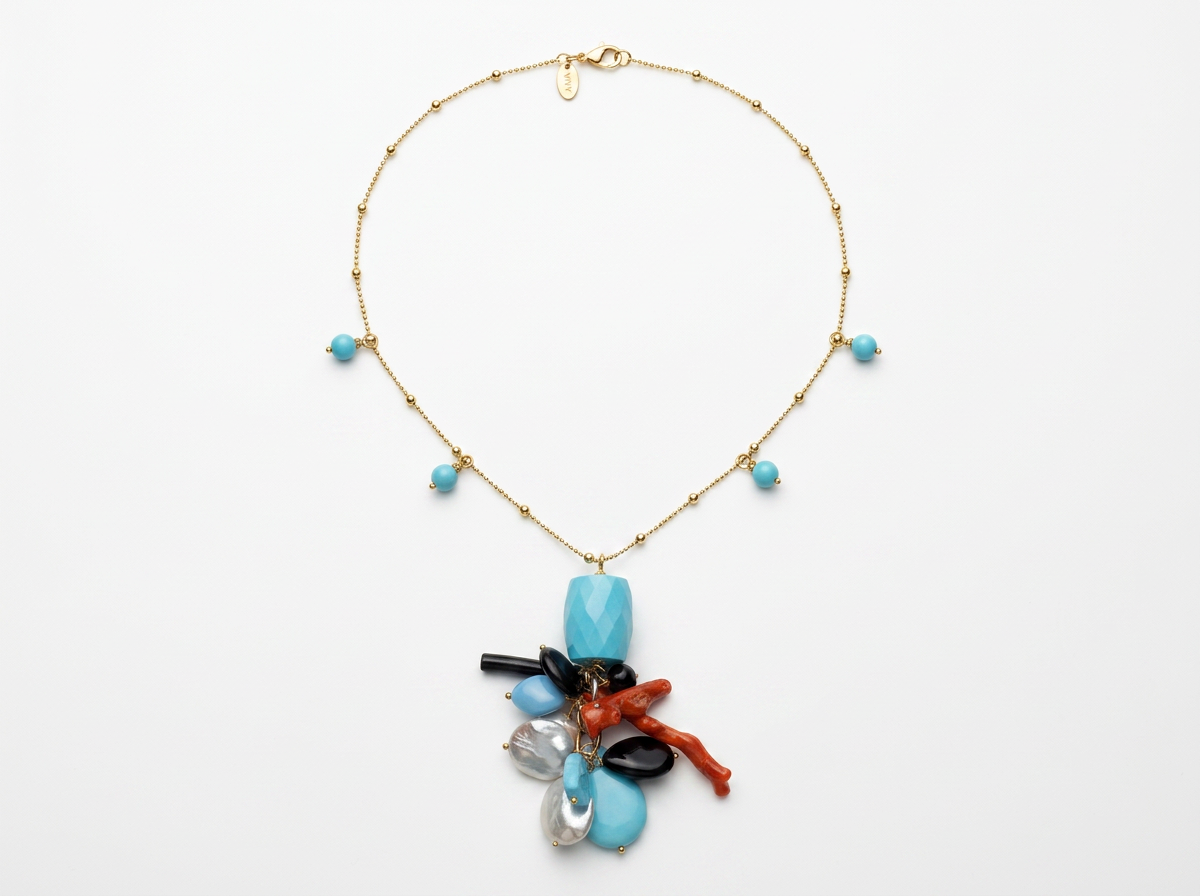
Most gemstones are minerals. Coral and amber, like pearl, are organic: they were formed by living things.
Coral
Precious coral is the hard skeleton built by colonies of tiny marine animals. The best known is red Mediterranean coral; other species come from the waters around Japan and Taiwan. Colours range from deep red, called oxblood, through salmon to the pale pink known as angel skin, and white.
Coral grows very slowly, and stocks are under pressure. The trade in several species is regulated internationally. Many goldsmiths therefore work only with antique or reused coral, which is a good question to ask.
Much coral on the market is dyed, and imitations in glass, plastic and dyed bamboo coral are common. An even, saturated colour and a fine polish without pits are signs of quality.
Amber
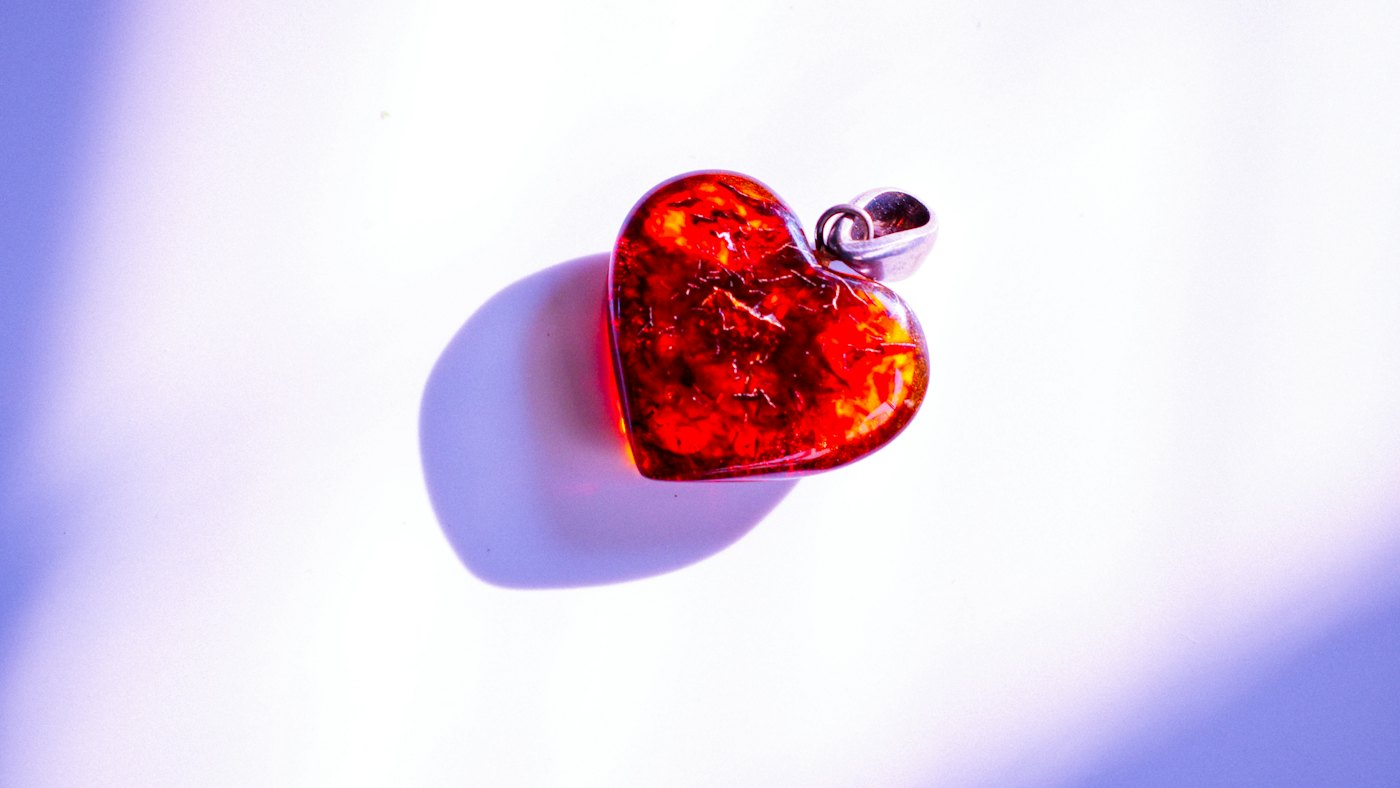
Amber is fossilised tree resin, millions of years old. Most comes from the Baltic region, and the Dominican Republic is another known source. Colours run from pale yellow through honey and cognac to deep brown, and rarely green or blue. Amber sometimes contains trapped insects or plant remains, which add to its value.
Amber is very light and feels warm, unlike glass or stone. It is often heated to make it clearer, which can produce disc-shaped sparkles called sun spangles. Pressed amber is made of small pieces fused together. Copal, a much younger resin, and plastic are the usual imitations.
Wearing them
Both are soft. Coral has a hardness of 3 to 4 on the Mohs scale, amber only 2 to 2.5. They are suited to necklaces, earrings and brooches, and need a protective setting in a ring. See which stones can be worn every day.
Care
Keep both away from perfume, hairspray, solvents, heat and acids. Put them on last and take them off first. Wipe with a soft cloth; never use an ultrasonic or steam cleaner. Store them apart from harder jewellery.
See coral jewellery and amber jewellery.