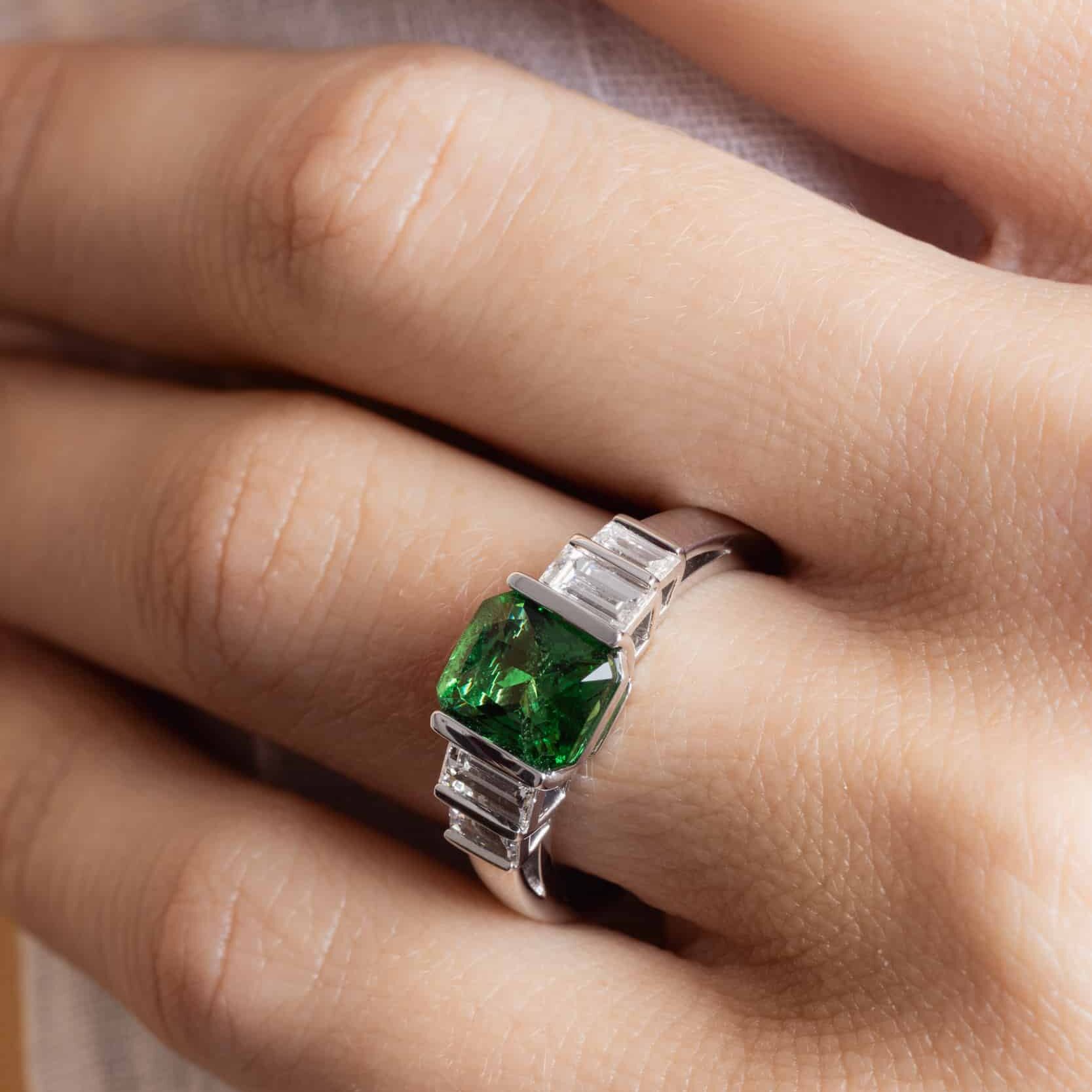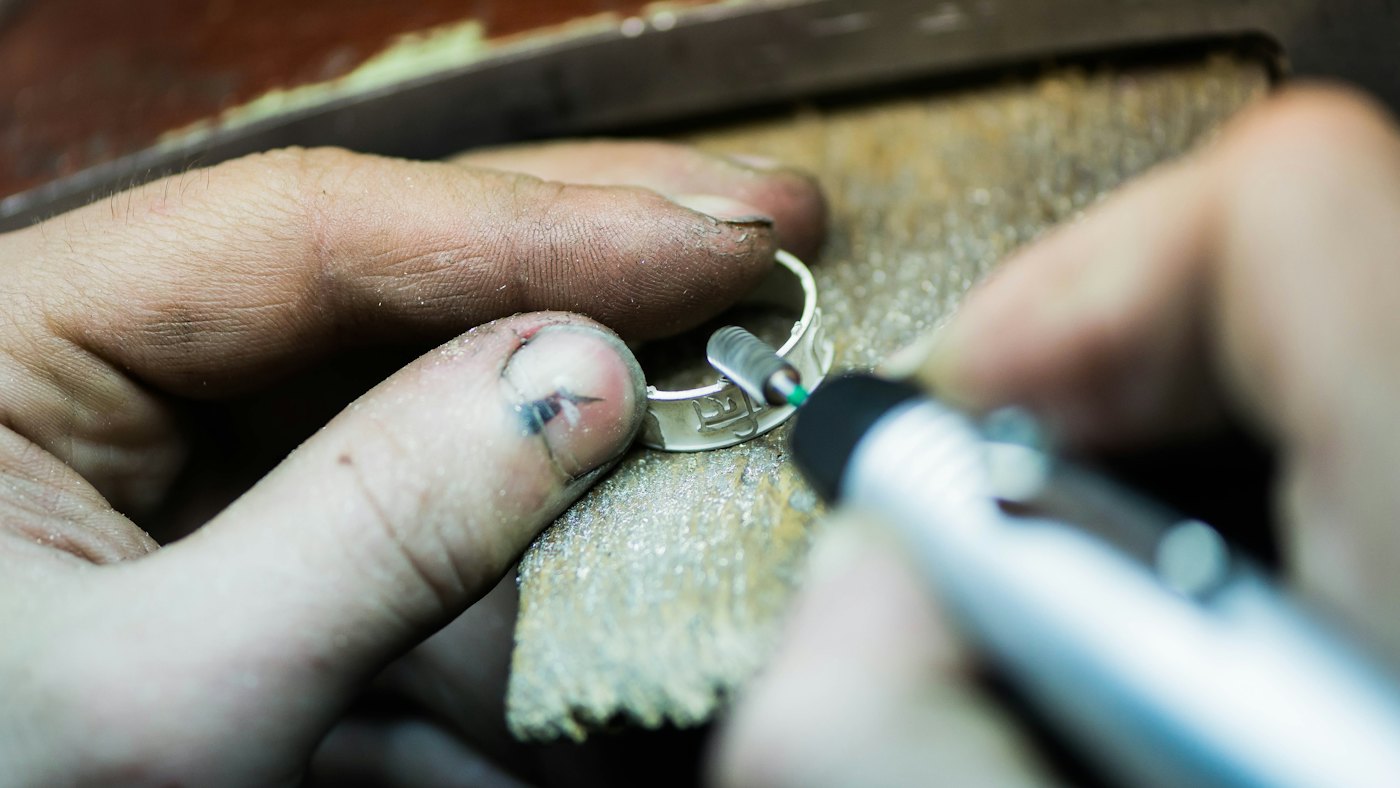
Setting is the craft of fixing a stone in metal so that it is secure, shows at its best, and survives being worn. Many goldsmiths set their own stones. For demanding work, such as pavé, they often go to a specialist setter.
The main types
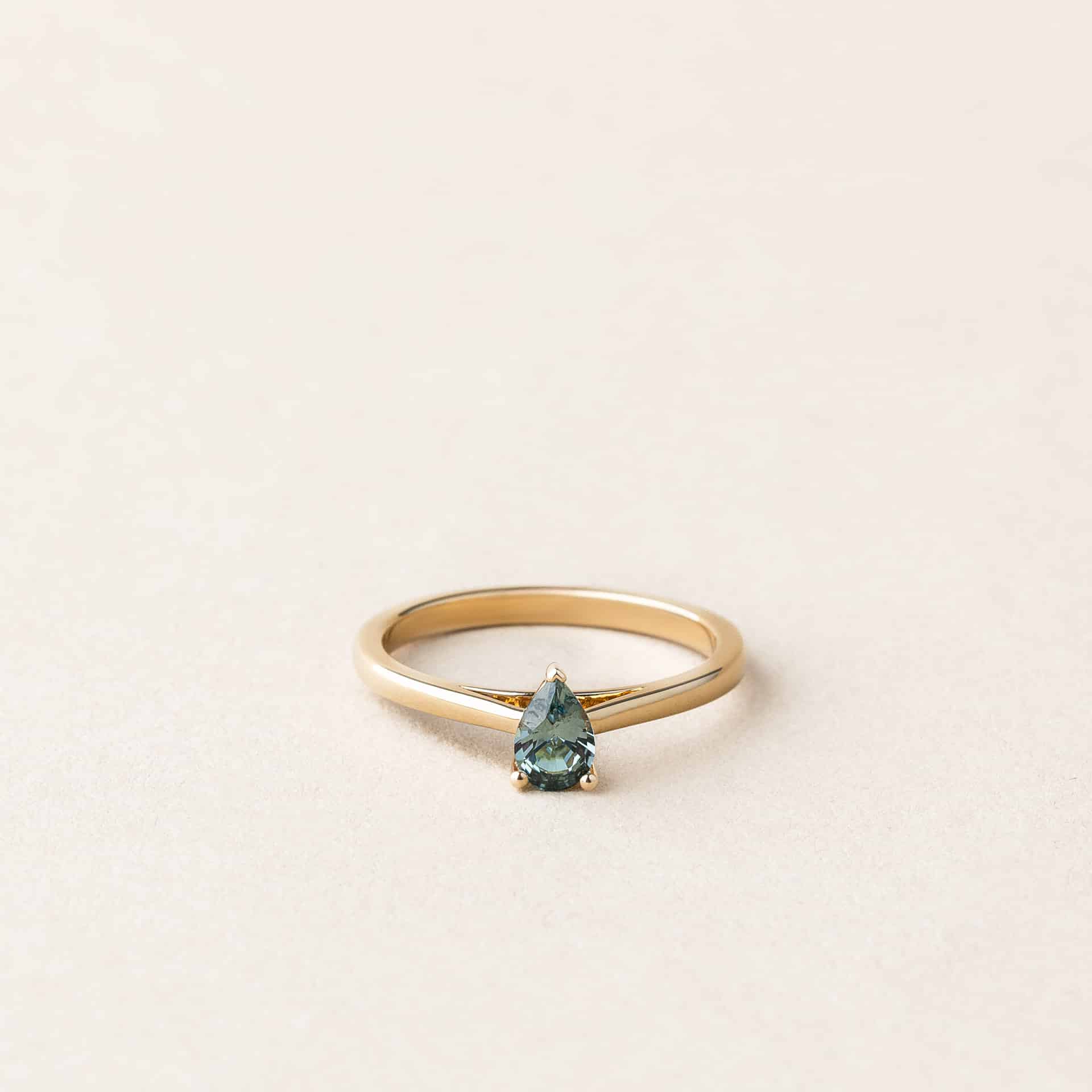
Claw or prong setting. Small metal claws grip the stone at its edge. It lets in the most light and shows the most of the stone, which is why it is the classic choice for a solitaire. Four claws show more stone, six hold it more safely. Claws can catch and wear, so have them checked now and then.
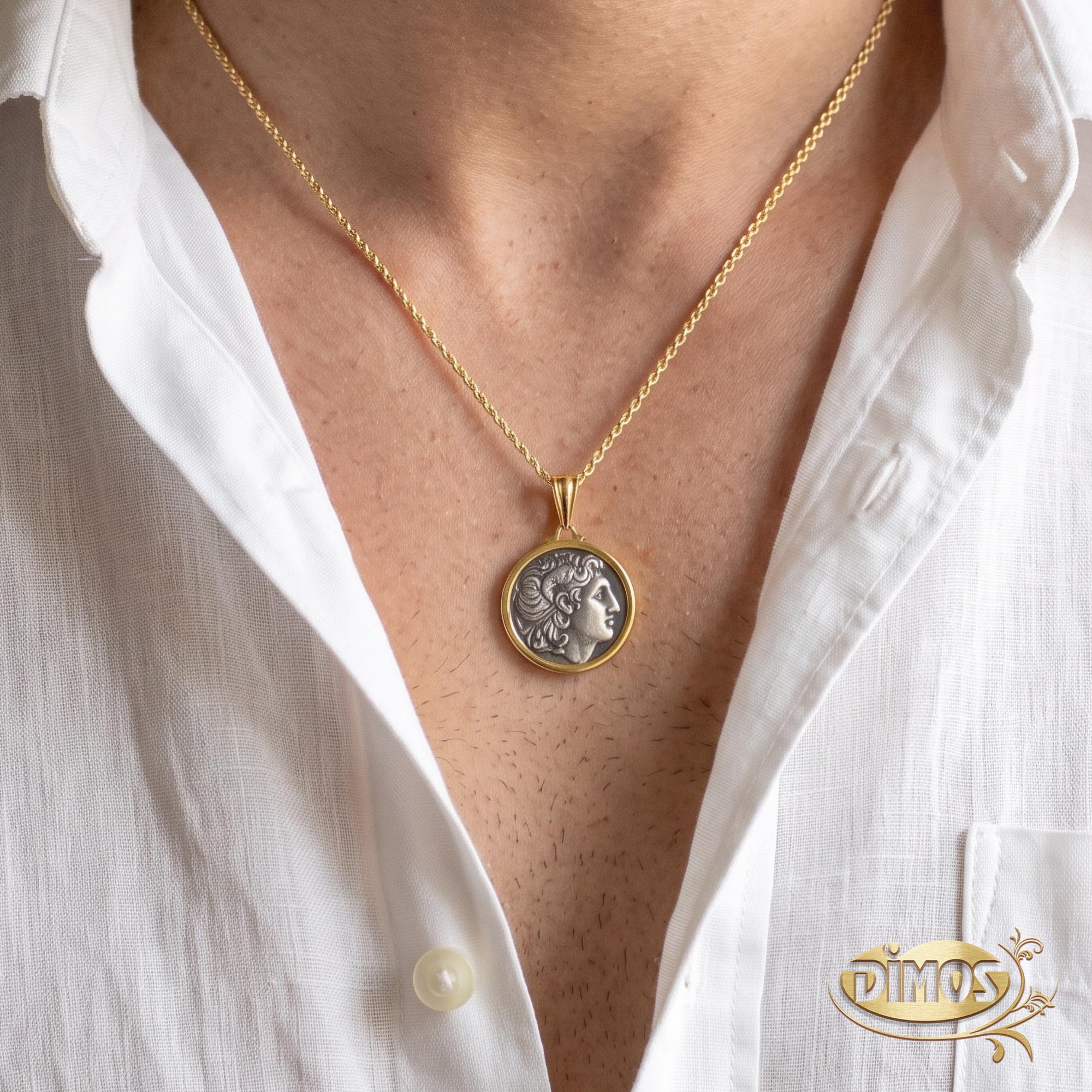
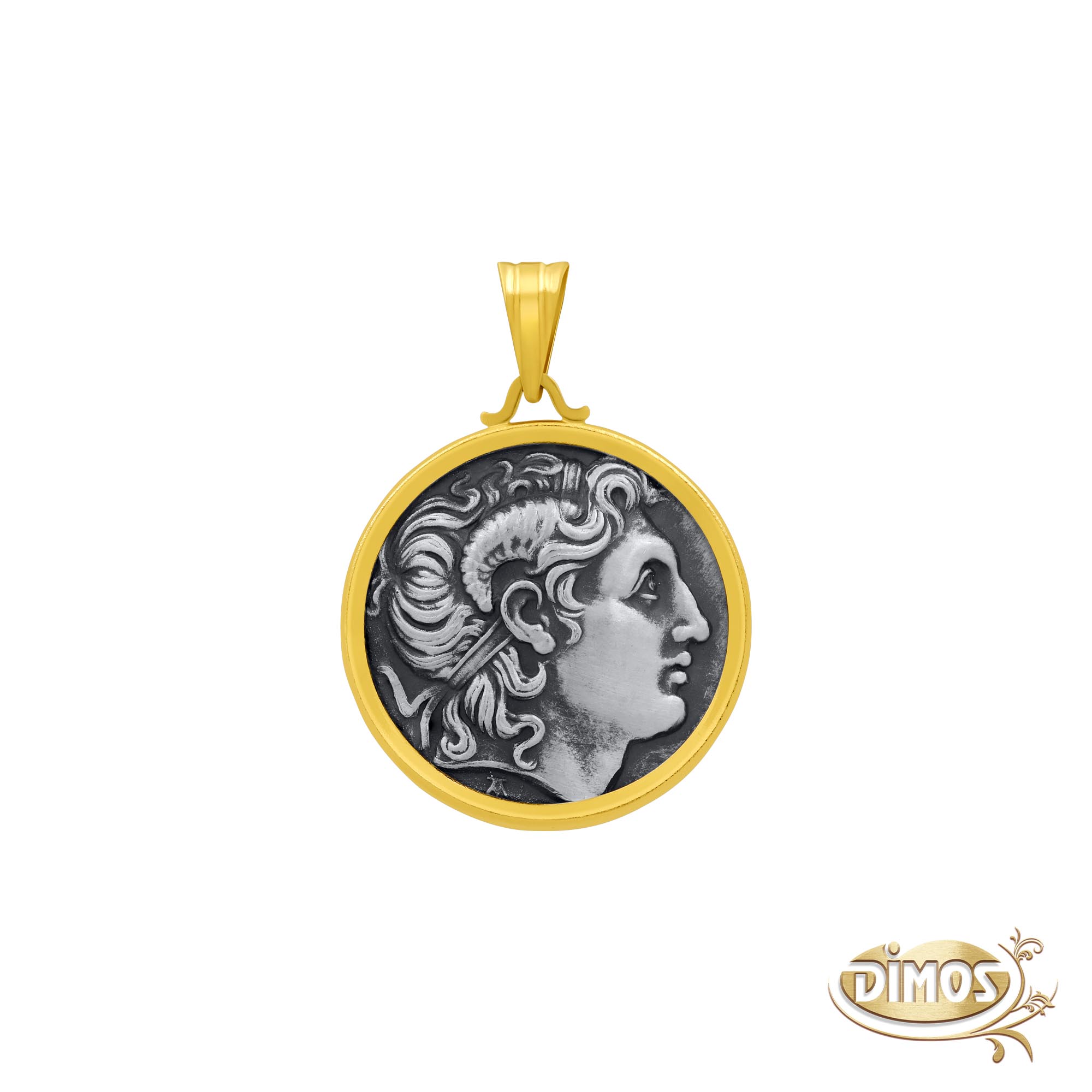
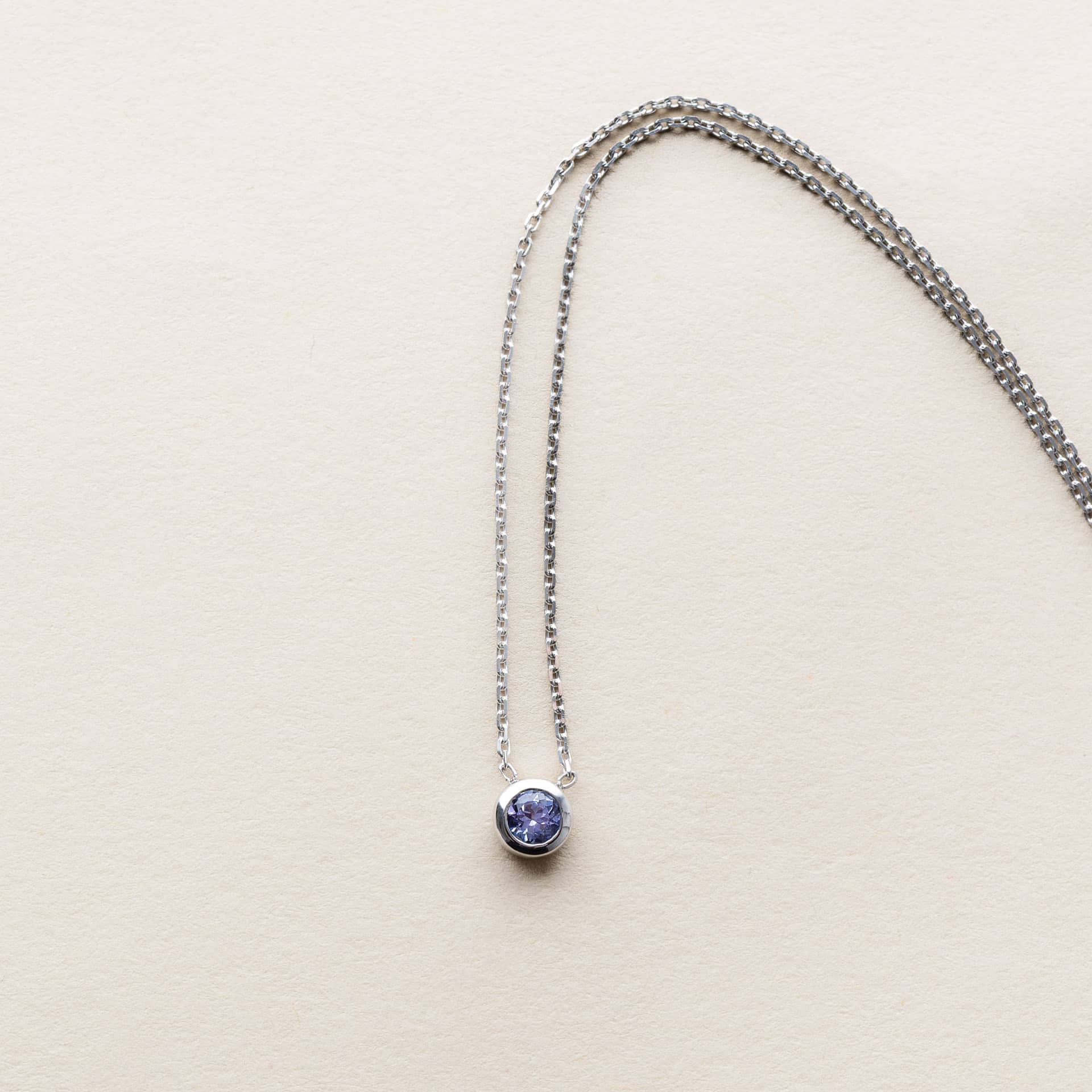
Bezel setting. A rim of metal surrounds the stone completely. It is the most protective setting and the best choice for softer or brittle stones and for people who work with their hands. It covers the edge of the stone and makes it look slightly smaller.
Pavé. Many small stones set close together, each held by tiny beads of metal raised from the surface, so that the metal seems paved with stones. Micro pavé is the same with very small stones, set under a microscope.
Channel setting. A row of stones sits between two walls of metal, with no metal between the stones. Smooth, secure, and common in wedding and eternity rings.
Flush setting. The stone is sunk into the metal so that its top is level with the surface. Understated and very secure, often used in men's rings and wedding bands.
Tension setting. The stone is held only by the spring pressure of the ring itself and seems to float. It needs a hard stone and cannot easily be resized.
Choosing
Match the setting to the stone and to your life. A hard stone such as diamond or sapphire can stand in claws. Emerald, opal and other vulnerable stones do better in a bezel, see which stones can be worn every day. Sharp corners, as on a princess or pear, belong under a claw.
Upkeep
Have a ring you wear every day checked once a year. A goldsmith sees in a minute whether a claw is worn or a stone has come loose, long before you would lose it.