Guía
Piedras, tallas, certificados y metales, explicados como lo haría un orfebre en su banco. Para que sepas qué eliges antes de encargar una joya.
Por ahora estos artículos solo están disponibles en inglés.
Piedras
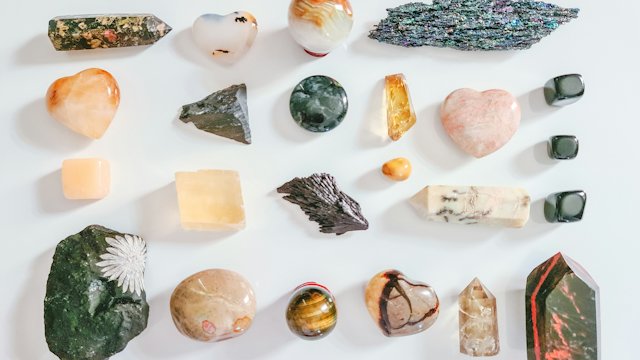
Which gemstones can be worn every day?
A ring takes more knocks than any other piece of jewellery. The Mohs scale shows which stones can take it, and hardness turns out to be only half the story.
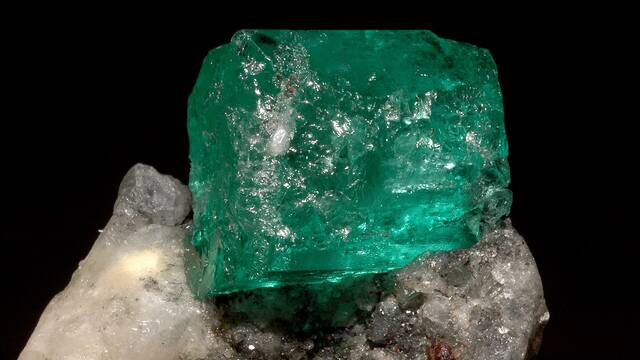
Does origin matter? Where gemstones come from
Colombian emerald, Burmese ruby, Kashmir sapphire: some origins double the price of a stone. Why that is, how origin is established, and when it is worth paying for.
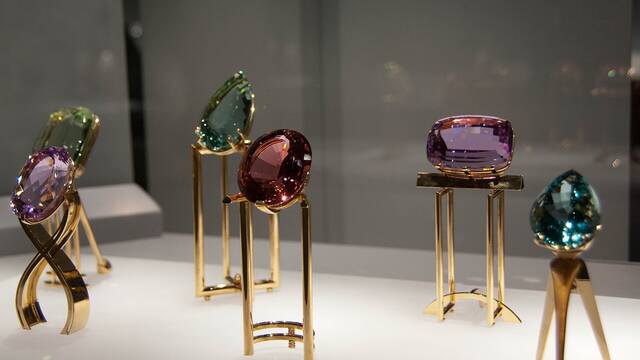
Birthstones by month
Every month has a stone. The modern list, the traditional alternatives, what the stones mean, and which ones you can actually wear every day.
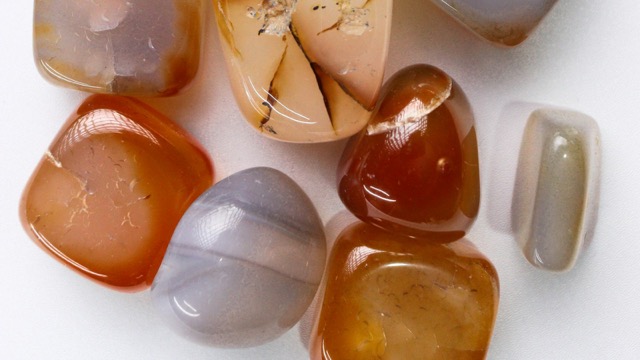
Zodiac stones by star sign
Every star sign has its stones, older than the birthstones by month and less fixed. The list for Aries to Pisces, what it is based on, and which stones you can actually wear.
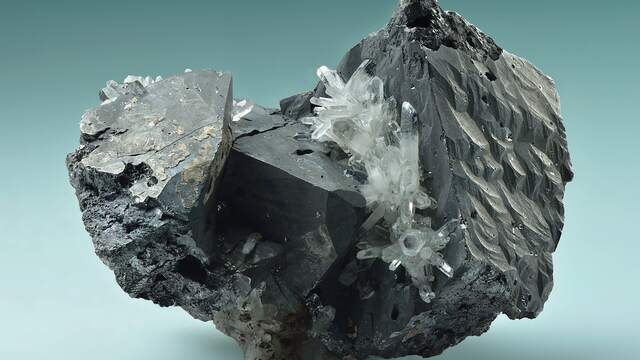
How crystals grow: the crystal systems
Every mineral grows in one of seven patterns, and that pattern decides how a stone cleaves, whether it shows two colours, and how it handles light. What the crystal system on a stone's properties card tells you.
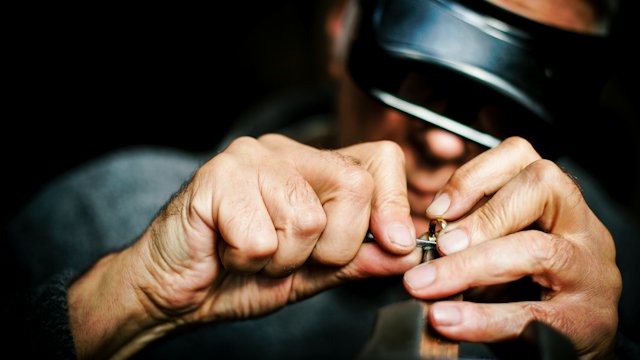
What the numbers on a stone's properties card mean
Hardness, specific gravity, refractive index, crystal system: the four figures a gemmologist uses to tell a stone from its lookalikes, explained without a laboratory.
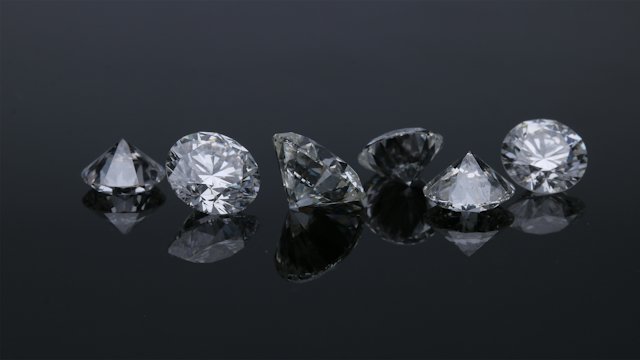
Diamond: the four Cs explained
Carat, colour, clarity and cut decide what a diamond costs and how it looks. What each one means, and where you can save without seeing the difference.
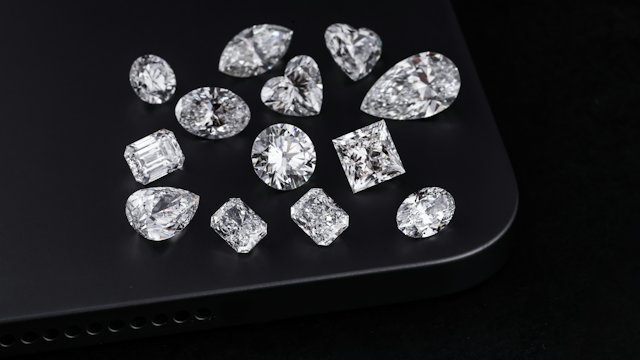
Lab-grown diamonds
A lab-grown diamond is real diamond, made in a reactor instead of in the earth. What is the same, what differs, and what it means for price and value.
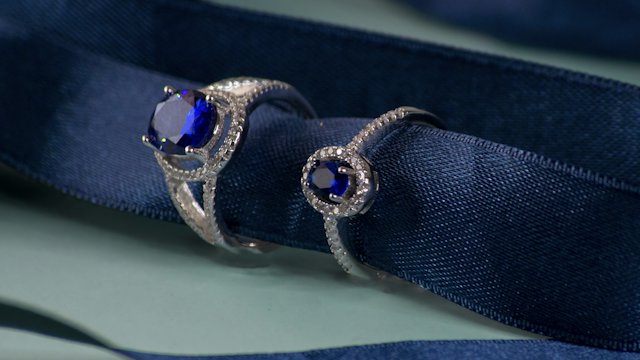
Sapphire
Sapphire comes in almost every colour, is hard enough to wear every day, and is nearly always heated. What to know before you choose one.
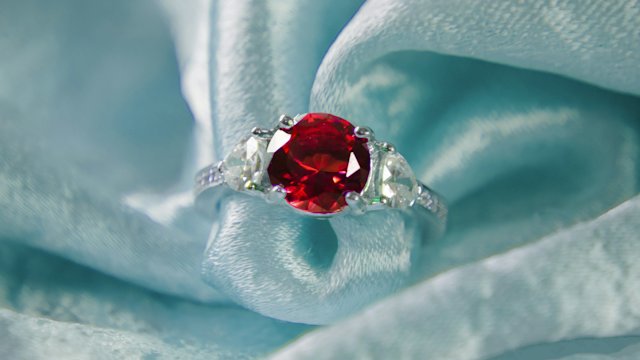
Ruby
Ruby is red corundum: hard, rare in fine quality, and often treated. How to judge one and which treatment to avoid.
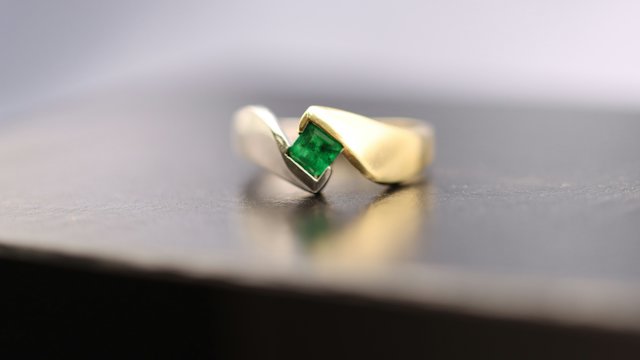
Emerald
Emerald is loved for its green and known for its inclusions. Why nearly every emerald is oiled, and how to wear one without damaging it.
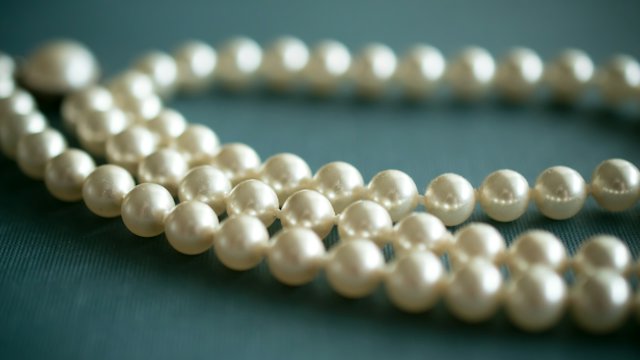
Pearl
Pearls are grown by a living animal, not mined. The main types, what makes one pearl better than another, and how to keep them beautiful.
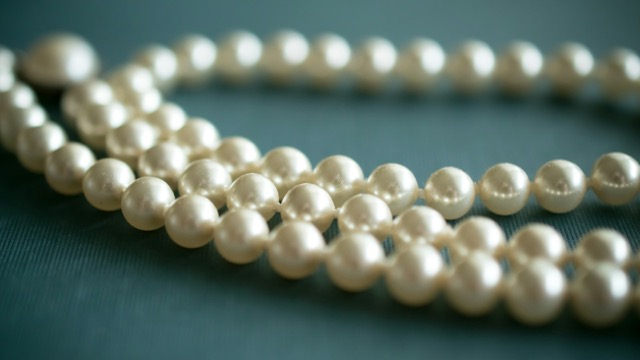
Pearl types and strand lengths
Which pearl is which, what the shapes are called, what lustre and orient mean, how long a choker, princess or opera strand is, and how to tell a real pearl from a glass one.
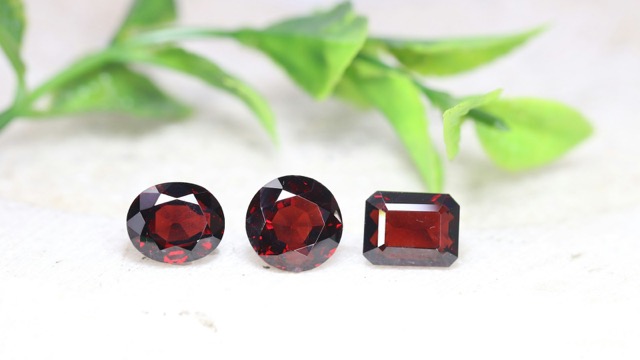
Misleading trade names: what a "Bohemian diamond" really is
Balas ruby, German lapis, Madeira topaz, Transvaal jade: names that sound like a gemstone but are something else. The list, why they exist and what the rules say.
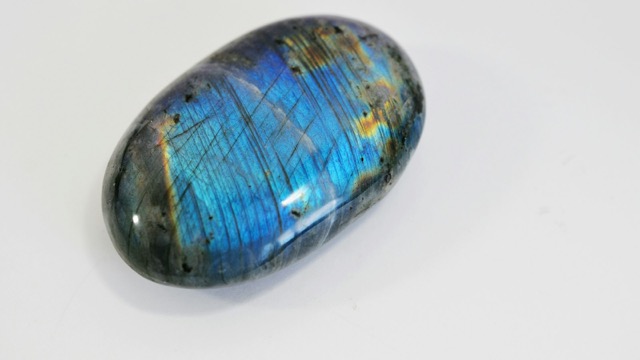
Optical effects: cat's eye, star and colour change
A line of light that glides over a cabochon, a six-pointed star, a stone that is green by day and red by candlelight. What these effects are, which stones show them, and what to look for.
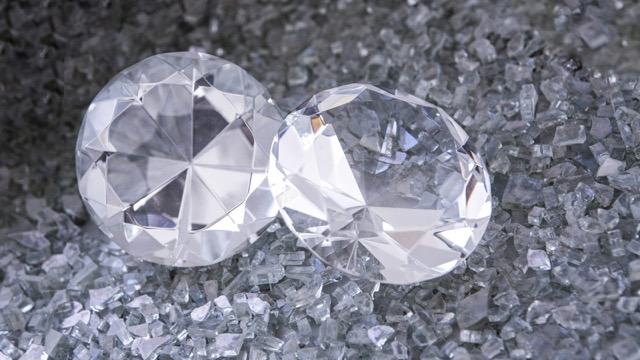
Synthetic, imitation or assembled: is the stone real?
A synthetic ruby is a ruby made by people; a glass "ruby" is an imitation; a doublet is two pieces glued together. What the words mean, how each is made, how they are told apart and what the seller must say.
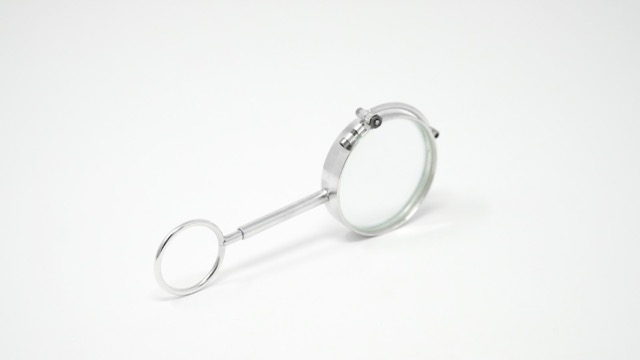
How a gemmologist identifies a stone
Loupe, refractometer, dichroscope, spectroscope, a balance and a bottle of heavy liquid: the instruments behind the figures on every stone page, what each one measures, and where a goldsmith stops and a laboratory begins.
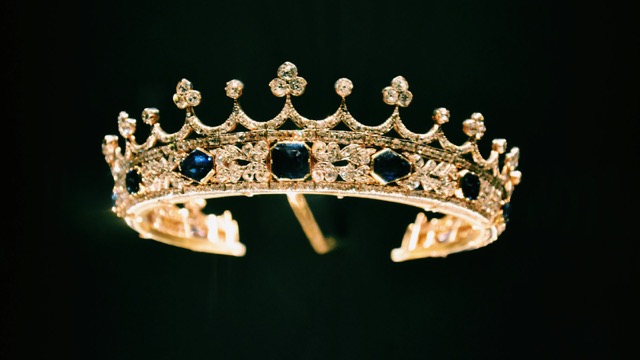
Famous diamonds: Cullinan, Koh-i-Noor, Hope and the others
The stones behind the names on crowns, in museums and in auction records: where they were found, who cut them and where they are now.
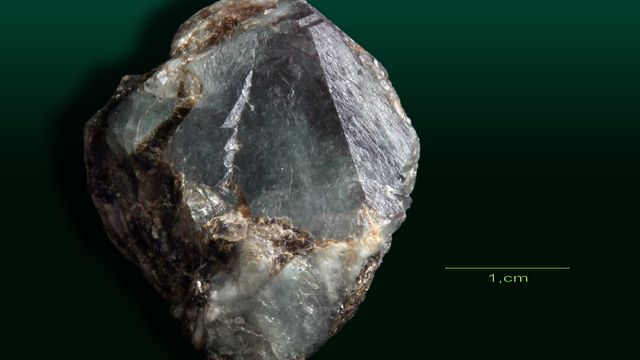
Alexandrite
Green by day, red by candlelight: the one stone that changes colour with the lamp. Where it comes from, what decides the price, why a laboratory report matters, and how to judge the change.
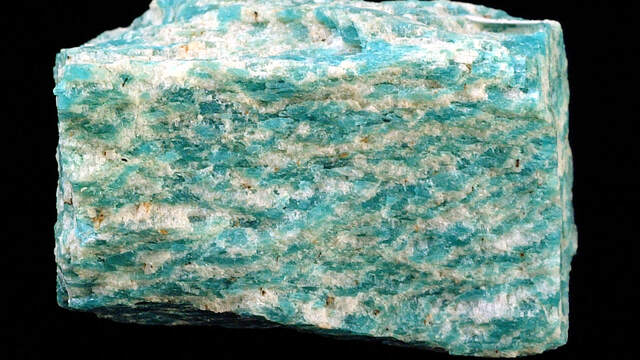
Amazonite and sunstone
Two coloured feldspars beside moonstone and labradorite: blue-green amazonite and glittering orange sunstone. What gives them their look, where they come from, what decides the price, and how they wear.
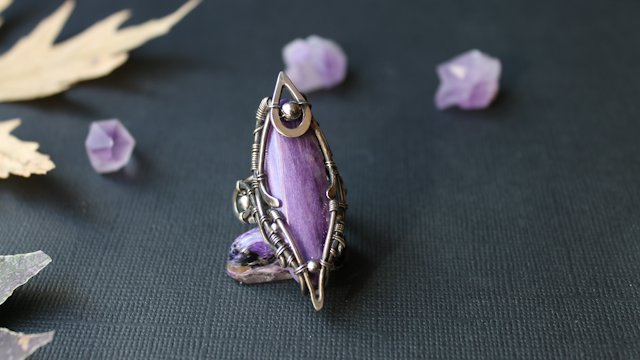
Amethyst
The purple quartz that was once as costly as ruby and is now the most affordable of the classic gems. What makes a good one, where it comes from, why it fades in the sun, and how to tell it from synthetic and from glass.
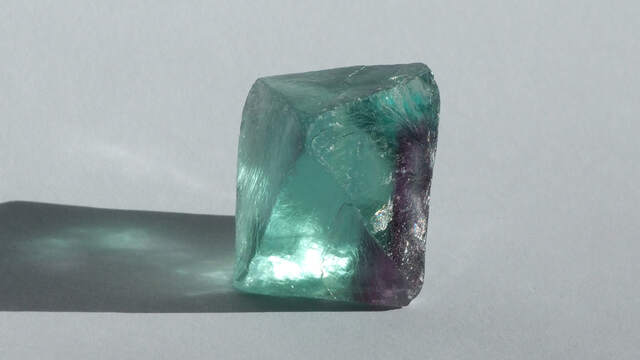
Apatite and fluorite
Two collector's stones with colours few others have: neon blue-green apatite and fluorite in every colour, often several in one crystal. Both soft, both affordable in large stones, both worth knowing before you set them.
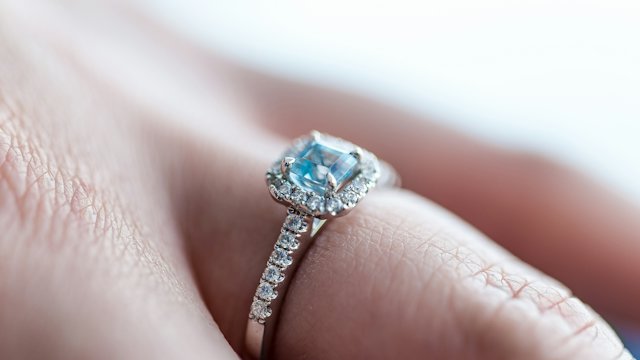
Aquamarine
The blue beryl that forms large, clean crystals: what decides the price, why most of it is heated, how it compares with blue topaz, and how to keep a pale stone looking lively.
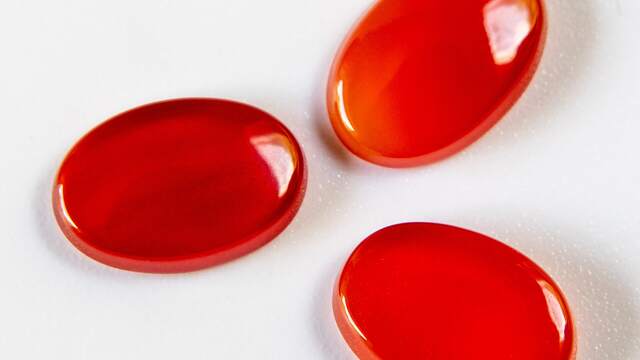
Carnelian, chrysoprase and chalcedony
The chalcedony family: orange carnelian, apple-green chrysoprase, blue chalcedony and dark green bloodstone. Tough, affordable, carved for thousands of years, and with a few things to know about heating, dyeing and the jade that is not jade.
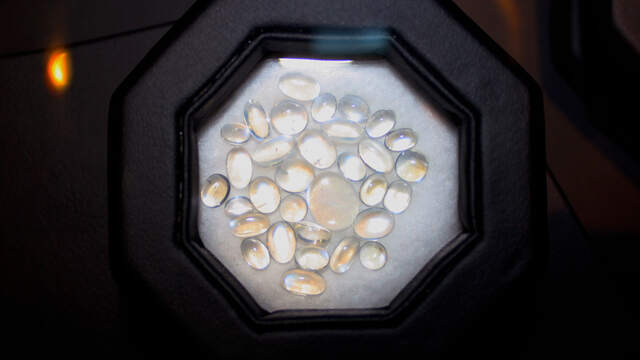
Chrysoberyl and cat's eye
Chrysoberyl is hard, bright and underrated: a yellow-green stone for daily wear, and the source of the finest cat's eye there is. What it is, what "cat's eye" means without a qualifier, and how to judge one.
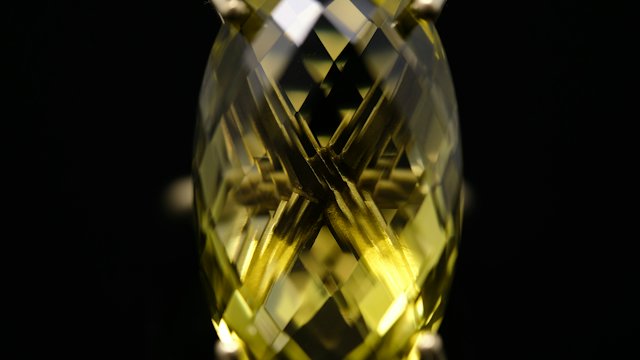
Citrine
Citrine is yellow to orange quartz, and most of it started life as amethyst. What that means for the price, why it is still a good choice for a ring, what to look for, and the names it should not be sold under.
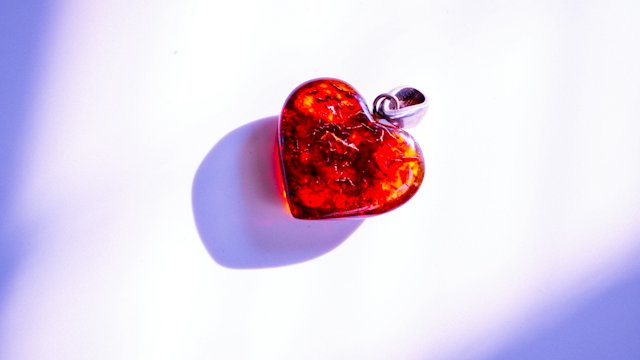
Coral and amber
Two gem materials that were once alive: one grown in the sea, one from ancient trees. Both are soft, warm to the touch, and ask for care.
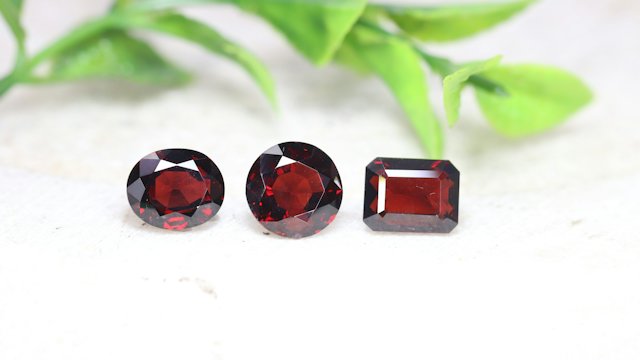
Garnet
Garnet is not one stone but a family, and it is far from only red. From affordable deep reds to rare greens that rival emerald: the members, what decides the price, why it is hardly ever treated, and how it wears.
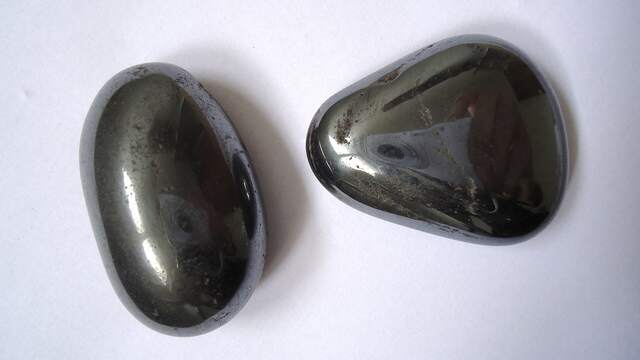
Hematite
Iron ore polished to a mirror: heavy, metallic grey-black and cool to the touch. What it is, where it comes from, how to tell it from magnetic imitations, and how it wears.
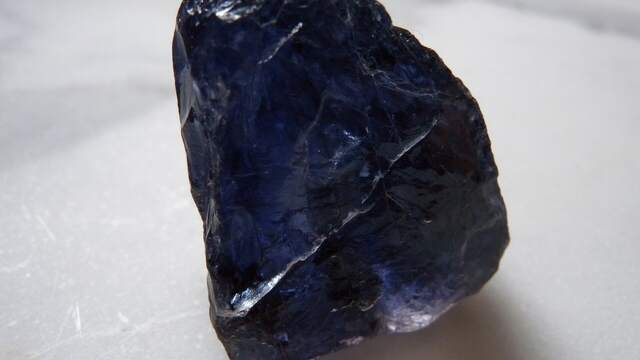
Iolite
A violet-blue stone that looks like sapphire or tanzanite at a fraction of the price, and that changes colour as you turn it. Where it comes from, what decides the price, the Viking story, and how it wears.
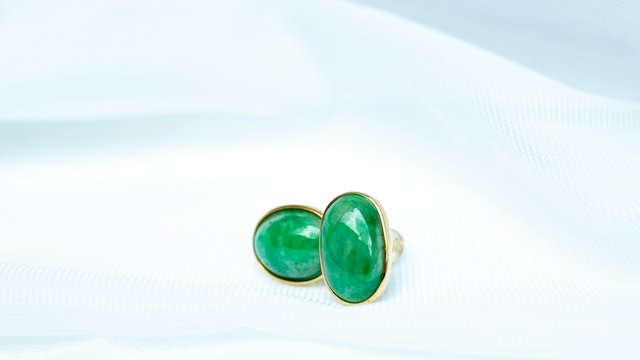
Jade
Jade is two different minerals with one name, and one of the toughest materials used in jewellery. What the types A, B and C mean.
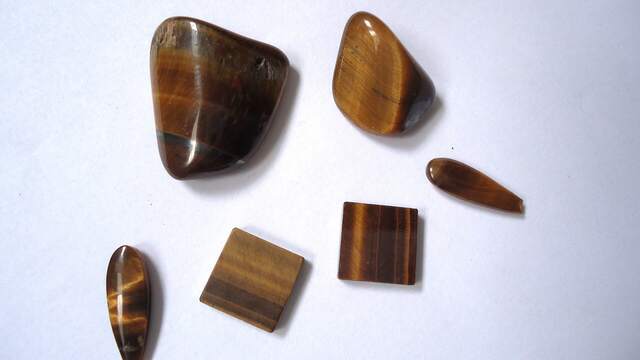
Jasper, tiger's eye and aventurine
Three opaque quartz stones with pattern instead of transparency: painted jasper, silky tiger's eye and glittering aventurine. Tough, affordable, full of character, and with a few things to know about names, asbestos and dye.
Jet
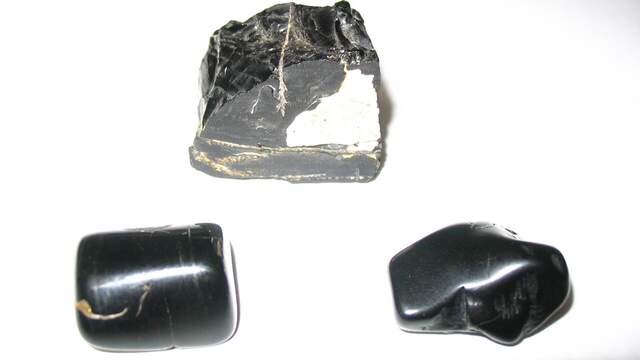
Fossilised wood turned to a black that takes a high polish. Light, warm to the touch, and the stone of Victorian mourning jewellery. Whitby and Asturias, how to tell real jet from glass and vulcanite, and how it wears.
Kunzite
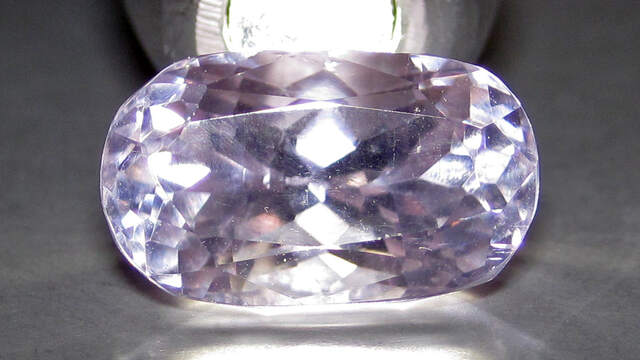
A pink to lilac stone that comes in large, clean crystals and is affordable for its size. Beautiful in earrings and pendants, one that should stay out of the sun, and one that is hard to cut. What decides the price and how it wears.
Kyanite
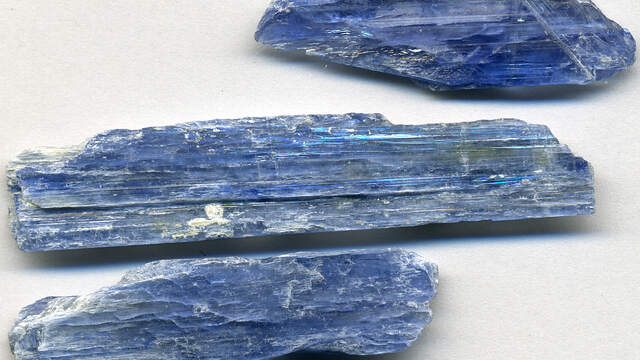
A sapphire blue at a fraction of the price, with one odd property: its hardness differs by direction. What that means for cutting and wearing it, where the best stones come from, and how to tell it from sapphire.
Labradorite
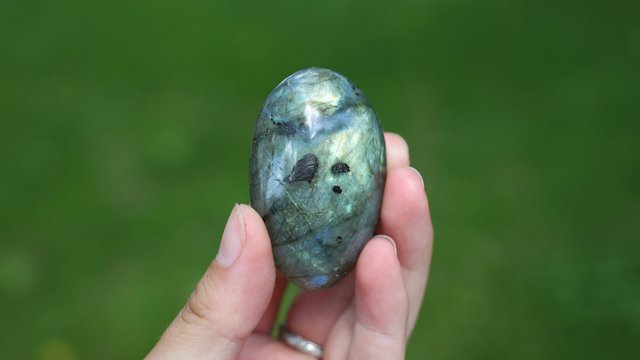
A grey stone until the light hits it, then blue, green and gold. What the flash is, what a good stone looks like, how it differs from moonstone, and how to wear a stone that can split.
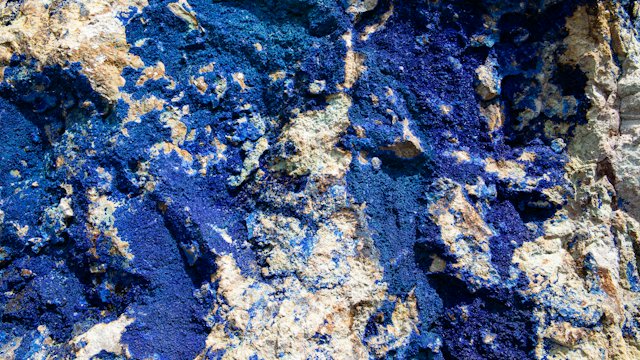
Lapis lazuli
Deep blue with flecks of gold, mined in Afghanistan for thousands of years. What makes good lapis, and how to tell dyed from natural.
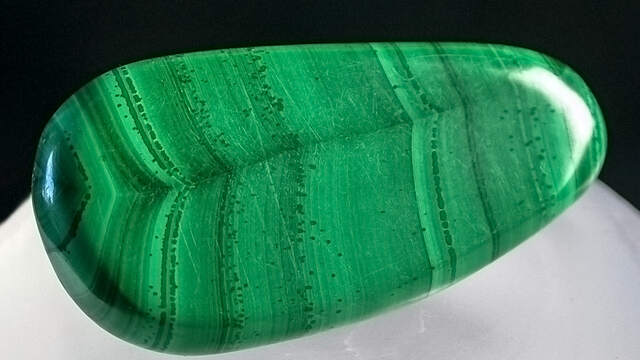
Malachite
Banded green from copper, cut as cabochons, beads and inlay. Soft, sensitive, never to be cleaned with anything but a damp cloth, and safe to wear once polished. Where it comes from, what decides the price, and how to spot the resin imitations.
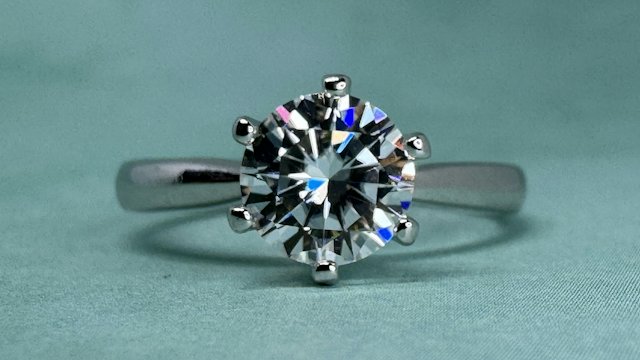
Moissanite
A laboratory-grown stone in its own right, harder than sapphire and with more fire than diamond, at a fraction of the price. How it compares with diamond and lab-grown diamond, how it is told apart, what it costs, and who chooses it.
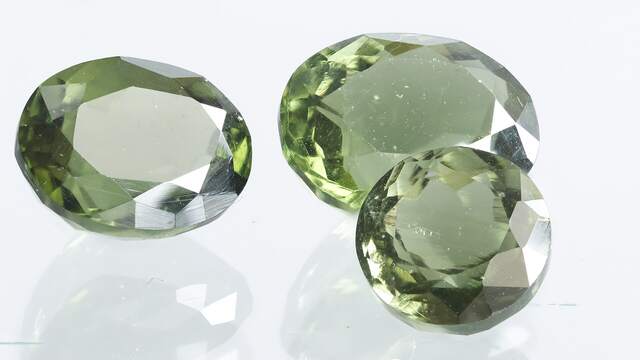
Moldavite
Green glass formed by a meteorite impact fifteen million years ago, found only in Bohemia. Rough or faceted, heavily imitated, and priced by the gram. How it formed, how to recognise the real thing, and how it wears.
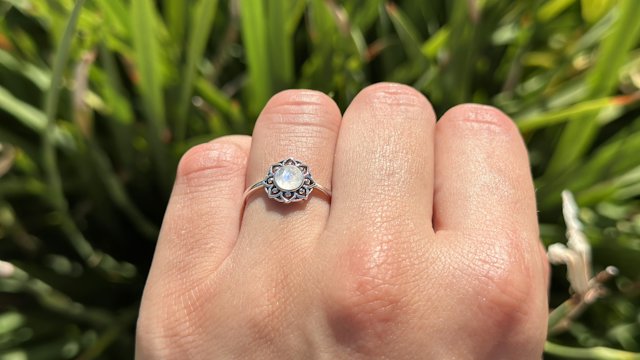
Moonstone
The feldspar with the light that glides across it. What makes a good one, what "rainbow moonstone" really is, where it comes from, what decides the price, and how to wear a stone that can split.
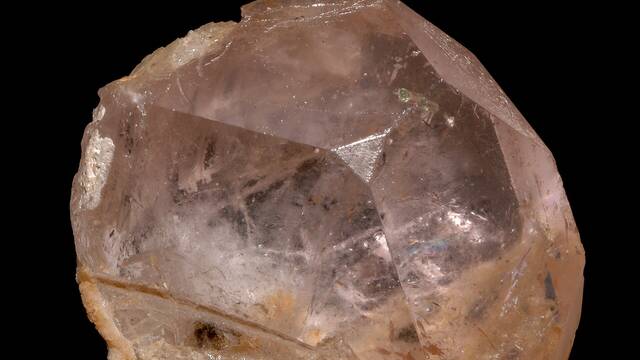
Morganite
Morganite is the pink to peach member of the beryl family, popular in rose gold engagement rings. Colour, size, heating, what decides the price, and the one thing to know about keeping it clean.
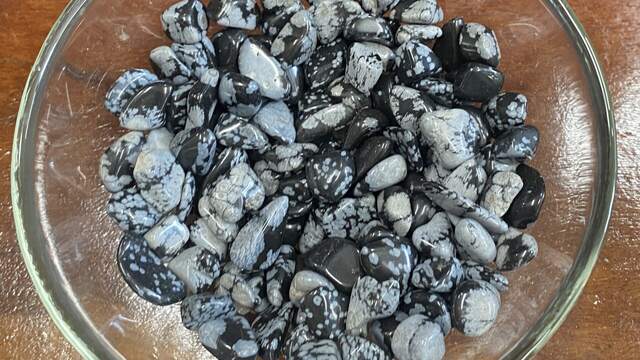
Obsidian
Volcanic glass, usually black, sometimes with gold or silver sheen, rainbow colours or snowflakes. Light, sharp and easy to carve, and not a stone for a ring. Varieties, sources, price and how to tell it from black glass.
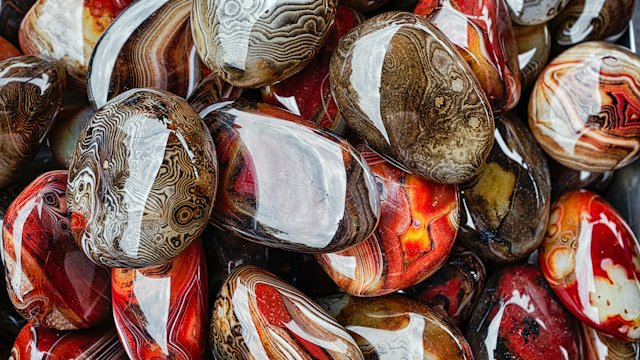
Onyx and agate
The banded chalcedonies, carved for three thousand years. What agate is, why nearly all black onyx is dyed and why that is fine, the patterns worth paying for, and how they wear.
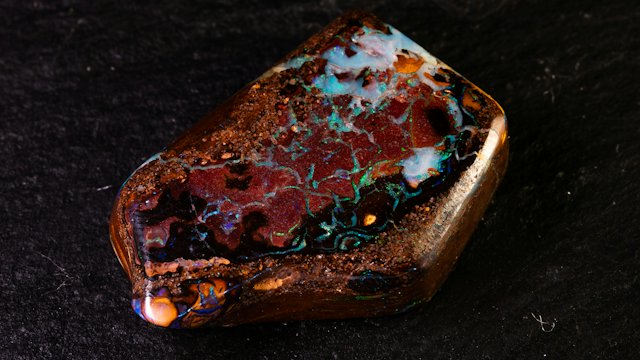
Opal
No two opals are alike. The types, the difference between a solid opal and a doublet or triplet, and how to wear a stone that contains water.
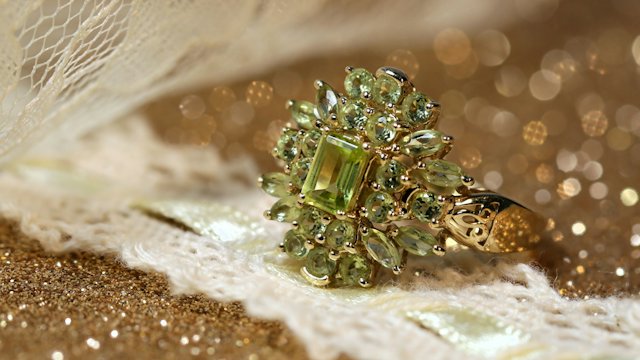
Peridot
The green that comes in one colour only, from Arizona, Pakistan, Myanmar and meteorites. What makes a good one, why it is never treated, what decides the price, and why it dislikes acid.
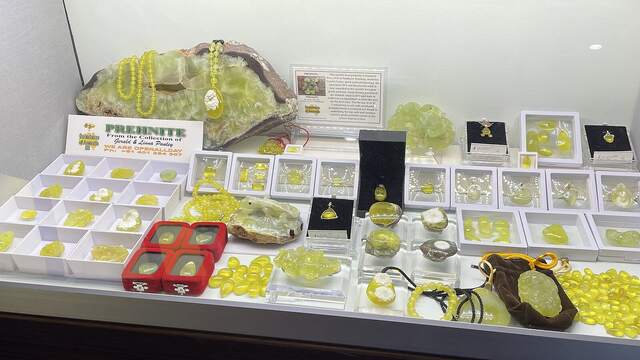
Prehnite
A soft green to yellow-green stone with a glow like grapes held to the light. Affordable, easy to find in large sizes, and a favourite of designers who want a colour nobody else has. What to look for and how it wears.
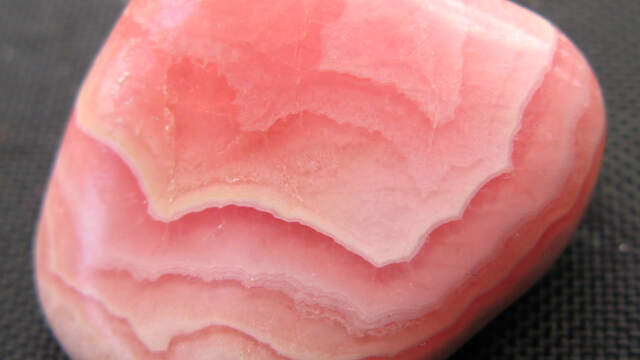
Rhodochrosite and rhodonite
Two pink stones from manganese with similar names and different characters: soft banded rhodochrosite and tougher rhodonite with its black veins. Where they come from, what decides the price, how to tell them apart and how they wear.
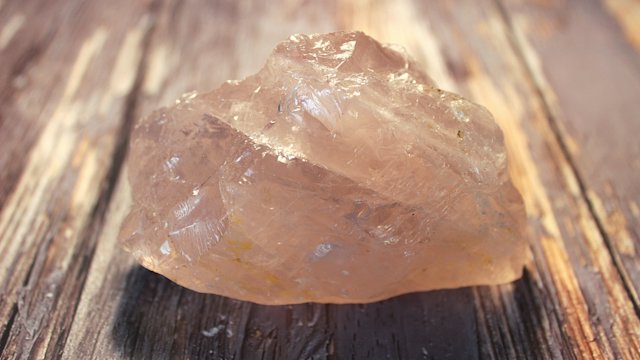
Rose quartz and smoky quartz
The understated quartzes: milky pink rose quartz and brown-to-black smoky quartz. What gives them their colour, what a good one looks like, why smoky quartz is sometimes irradiated, and what to watch for in the shop.
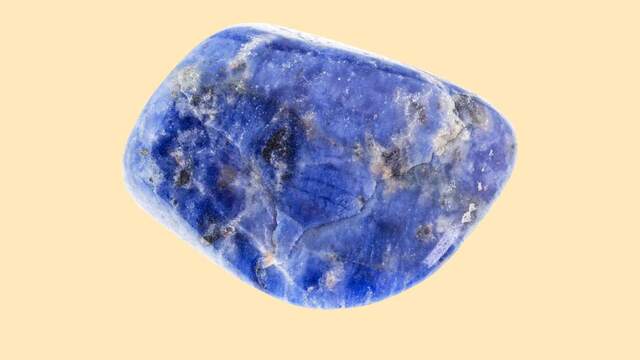
Sodalite
A royal blue stone with white veins, often mistaken for lapis lazuli. How to tell them apart, where it comes from, what a good piece looks like, and the rare variety that changes colour in sunlight.
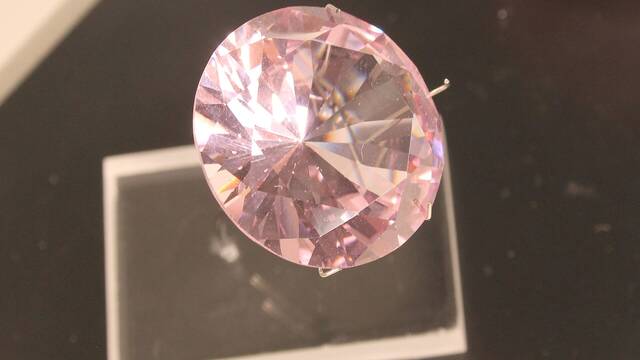
Spinel
The stone that sat in crowns as "ruby" for centuries and is now the goldsmith's favourite for an engagement ring: hard, tough, brilliant, untreated, and still cheaper than ruby or sapphire. Colours, value, synthetic spinel, and where it comes from.
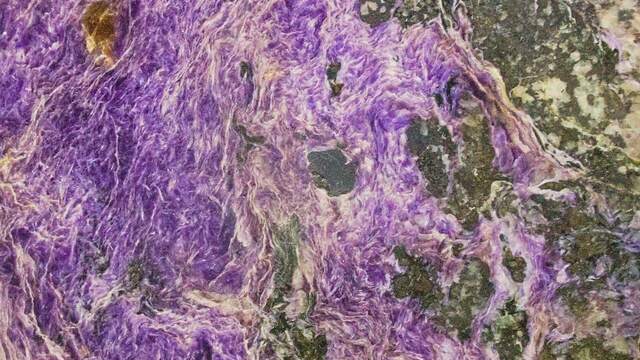
Sugilite and charoite
Two purple stones discovered in the twentieth century, each from a single region: dense purple sugilite from South Africa and swirling lilac charoite from Siberia. What they are, what decides the price, and how to spot the imitations.
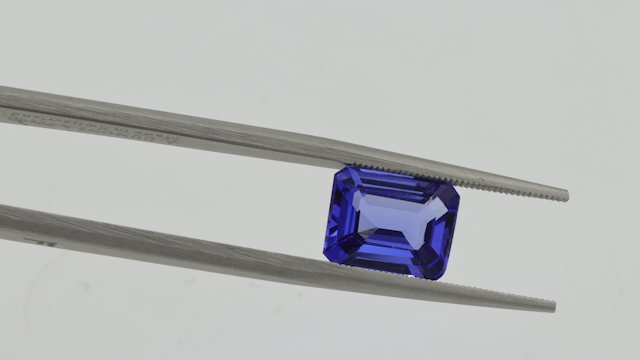
Tanzanite
Tanzanite is found in one place on earth. Its blue-violet is unlike any other stone. What to know about heating, colour and wear.
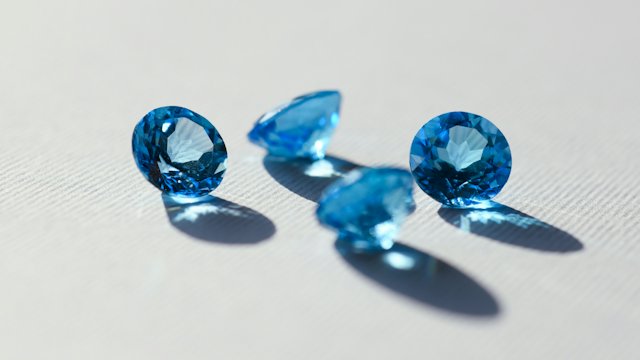
Topaz
A hard, bright stone in many colours: why almost all blue topaz is irradiated, what imperial topaz is and why it costs so much more, the coated "mystic" kind, the cleavage to respect, and the names that are not topaz at all.
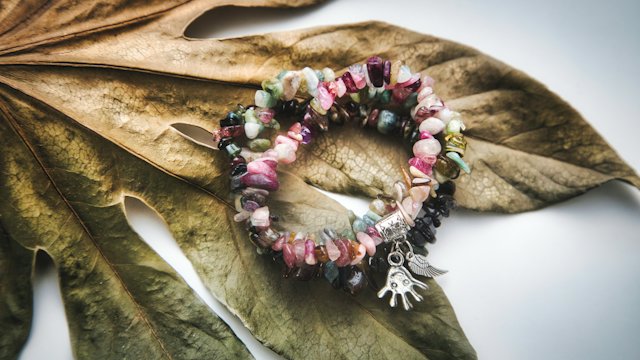
Tourmaline
No gemstone comes in more colours than tourmaline, sometimes two or three in a single crystal. What the names mean, what to look for, what decides the price from cheap green to Paraíba, and how it wears.
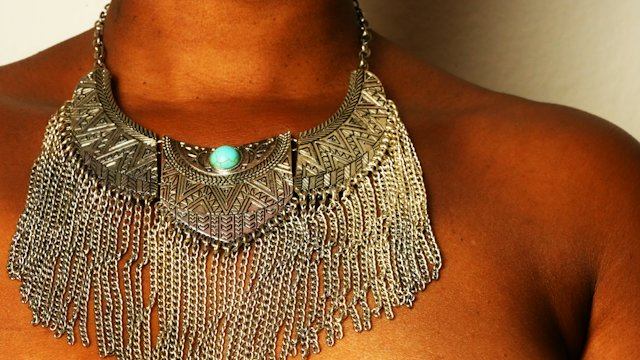
Turquoise
Turquoise gave its name to a colour. It is soft and porous, which is why most of it is stabilised. What that means, and how to spot imitations.
Zircon and cubic zirconia
The names are almost the same; the stones have nothing to do with each other. One is among the oldest minerals on earth, the other is made in a factory.
Tallas
Stone cuts: an overview
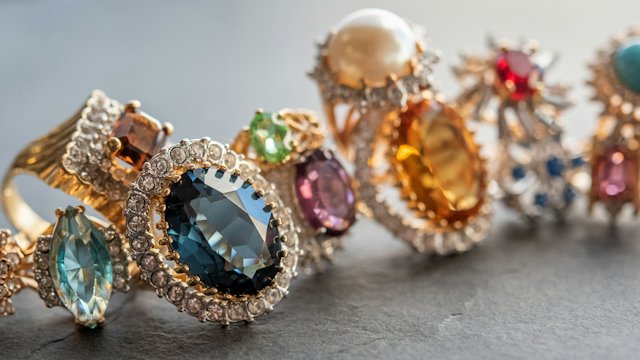
Brilliant, step cut, rose cut, cabochon: the cut decides how a stone handles light, how large it looks and what it costs. The families at a glance.
The round brilliant
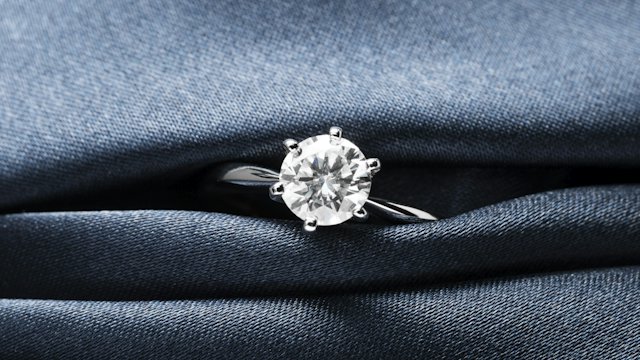
The round brilliant is the most chosen diamond cut and the most expensive per carat. Why that is, and what to look for.
Oval, pear, marquise, cushion and princess
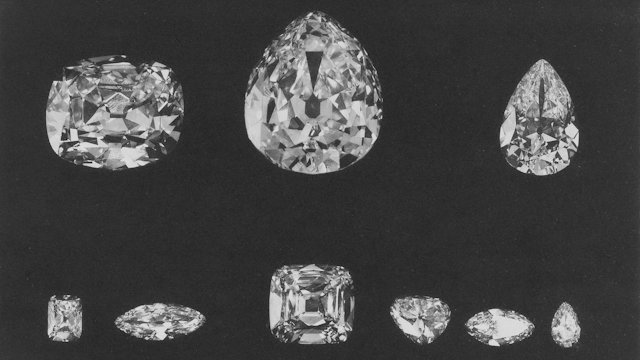
Five brilliant cuts in other outlines than round. How each one looks on the hand, what to watch for, and why they give more size for the money.
Emerald cut and Asscher
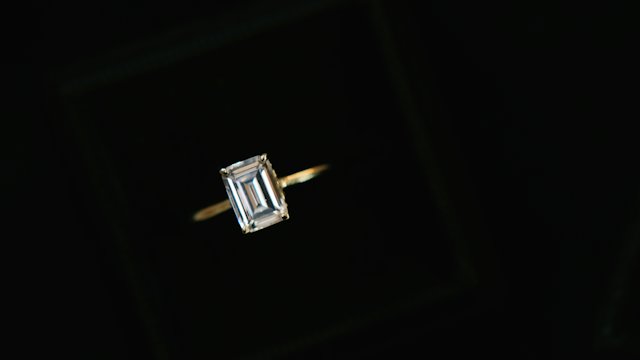
Step cuts do not sparkle, they flash. The emerald cut and the Asscher show a stone as it is, which sets demands on its clarity.
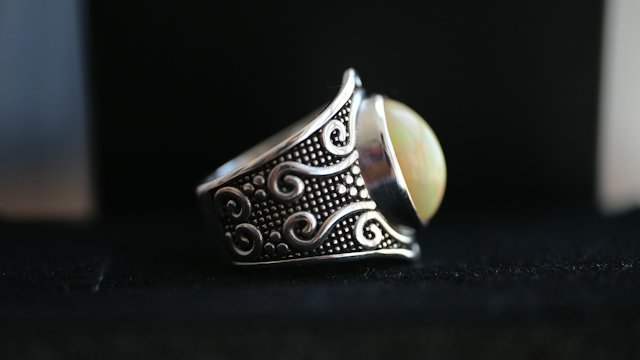
Rose cut, cabochon and raw stones
Not every stone has to sparkle. Rose cuts glow, cabochons show colour and pattern, and raw stones show how the crystal grew.
Certificación
Diamond grading reports: GIA, IGI and HRD
A grading report describes a diamond; it does not say what it is worth. What is in one, which laboratories matter, and how to check that a report is genuine.
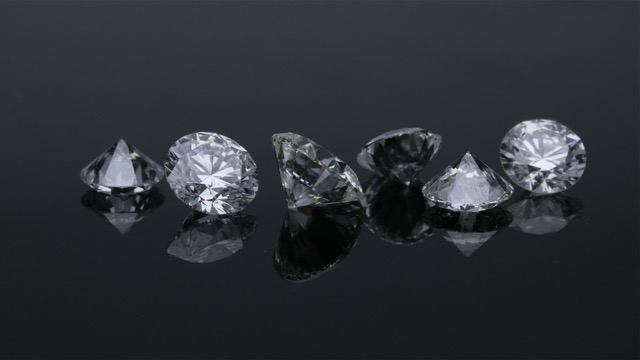
River, Wesselton, Cape: the old diamond colour names
Before D to Z, diamond colour was graded with the names of mines and rivers. What River, Top Wesselton, Crystal and Cape mean, how they map onto today's letters, and why "blue-white" is no longer allowed.
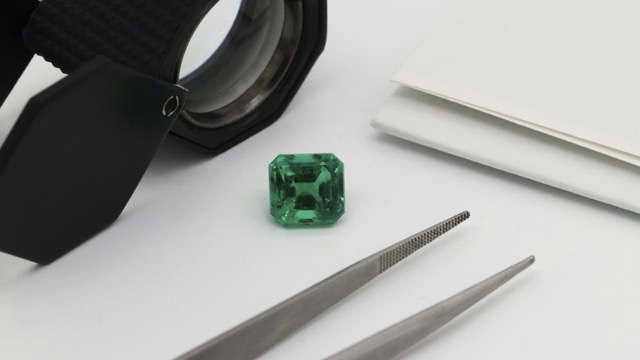
Coloured stone reports: SSEF, Gübelin, GRS and AGL
A report for a sapphire, ruby or emerald answers three questions a diamond report never asks: is it natural, has it been treated, and where does it come from. Which laboratories issue them and how to read one.
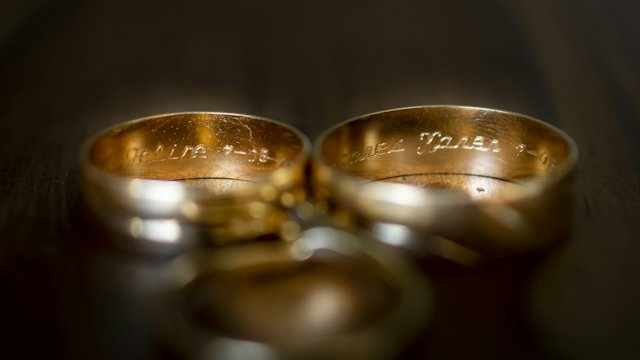
Hallmarks: what the stamps in your jewellery mean
585, 750, 925, an anchor, an eagle's head. The small stamps inside a ring tell you what the metal is and who stands behind it. How to read them, country by country.
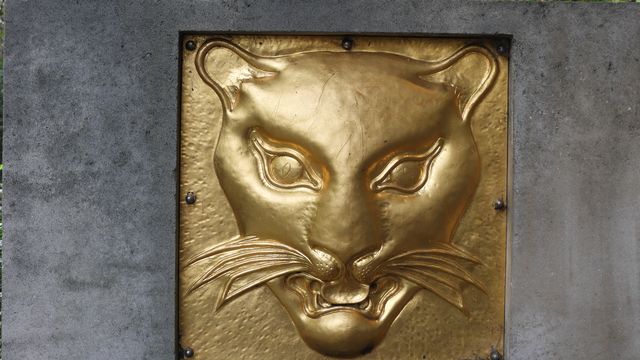
Recognising hallmarks: the stamps you will meet on an heirloom
A lion with a I, an oak leaf with 585, an eagle's head, a leopard, a pair of scales: the marks a Dutch, British, French or German piece actually carries, what each proves, what it does not, and where to check it officially.
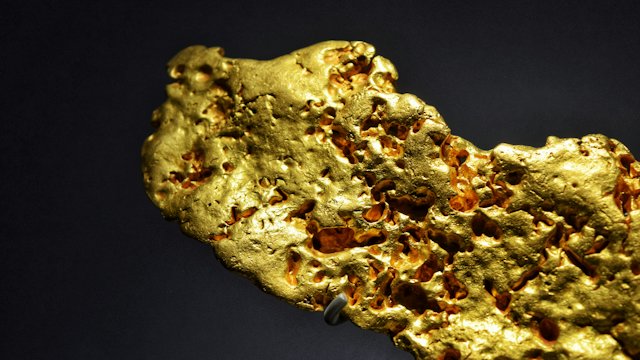
Responsible gold and diamonds
Fairmined, Fairtrade, recycled gold, the Kimberley Process: what the labels cover, what they do not, and which questions to ask a goldsmith.
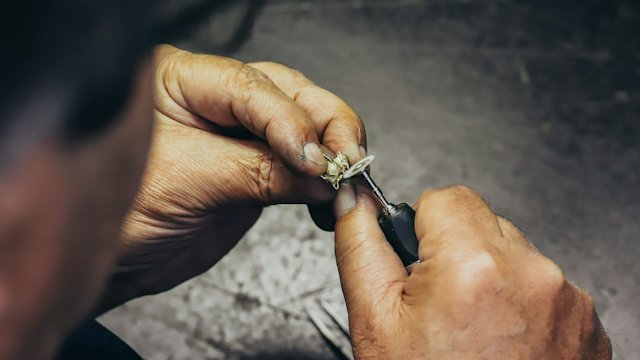
Jewellery valuation and insurance
A valuation states what it would cost to replace a piece. Why you need one for insurance, which value is meant, and what to keep with it.
Metales y materiales
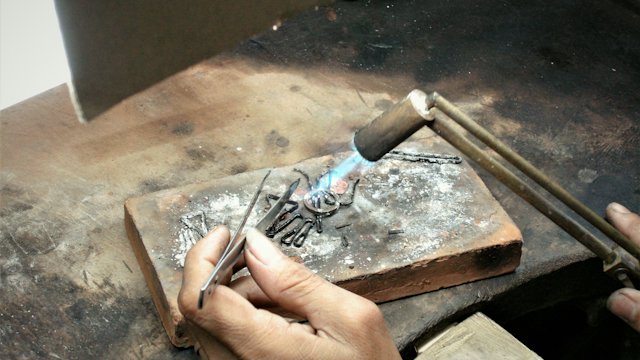
Gold: carat and alloys
9, 14, 18 or 22 carat: the number says how much of the metal is pure gold. What that means for colour, wear and price, and which to choose.
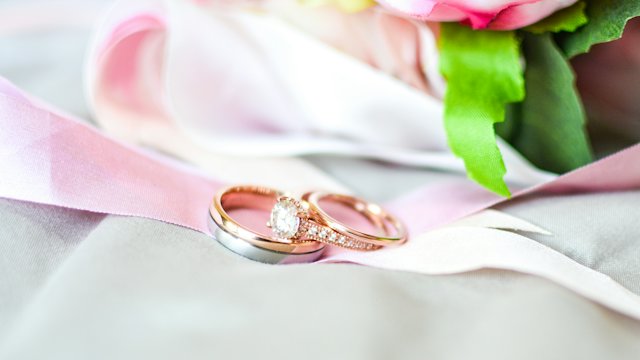
Yellow, white and rose gold
All three contain the same amount of gold. The colour comes from what it is mixed with, and that has consequences for upkeep and for sensitive skin.
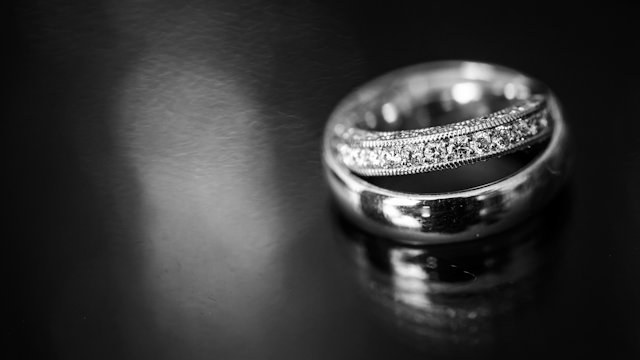
Platinum
Platinum is naturally white, heavy and kind to sensitive skin. How it differs from white gold in wear, upkeep and price.
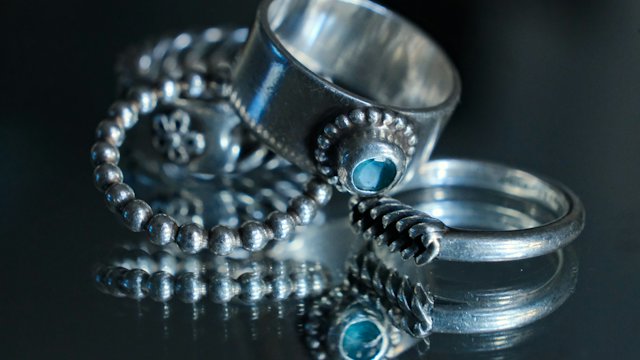
Silver
Sterling silver is affordable and beautiful, and it tarnishes. What 925 means, why silver turns dark, and what it is and is not suited for.
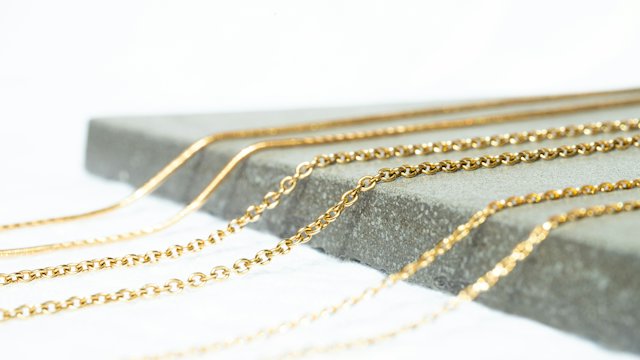
Solid, vermeil, gold-filled and plated
"Gold" on a label can mean four very different things. How to tell solid gold from a layer of gold, and why it matters for wear and repair.
Técnicas
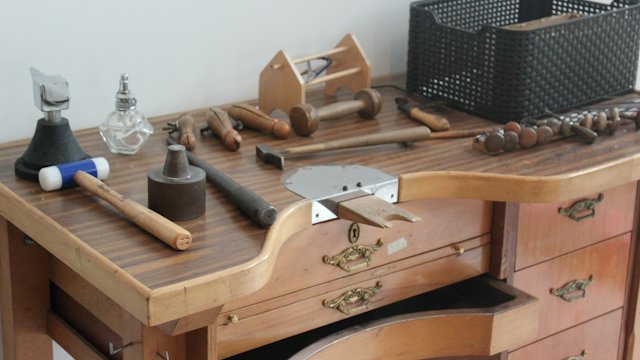
Hand forging
The oldest way of making jewellery and still the core of the craft: what happens to the metal under the hammer, why a forged ring is stronger, how it differs from casting, what it costs, and how to recognise forged work.
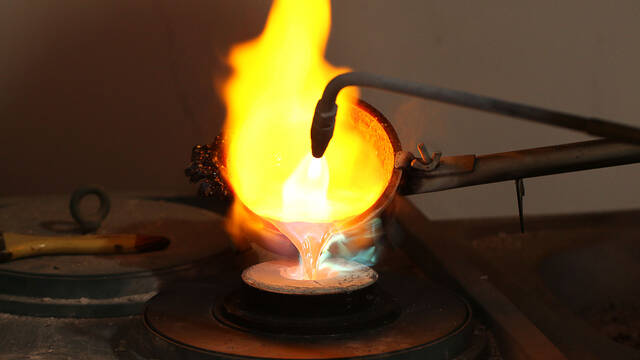
Lost-wax casting
The piece is made in wax first and the wax is replaced by metal. How it works step by step, what it makes possible, one-off or series, what it costs, why the finishing decides the quality, and how casting and 3D printing fit together.
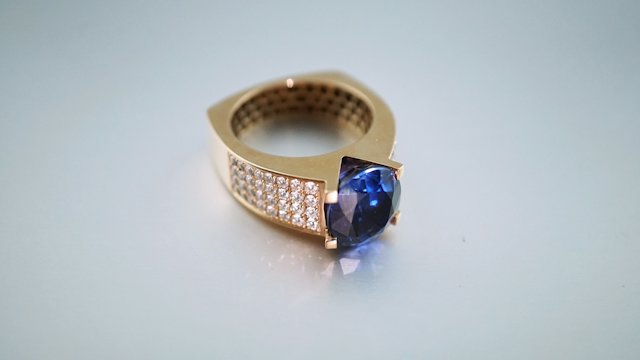
CAD and 3D printing
Many goldsmiths now draw part of their work on a computer and print the model before casting it. What that is good at, what it does not replace, whether printed jewellery is "real", what gets printed and what does not, and how to ask about it.
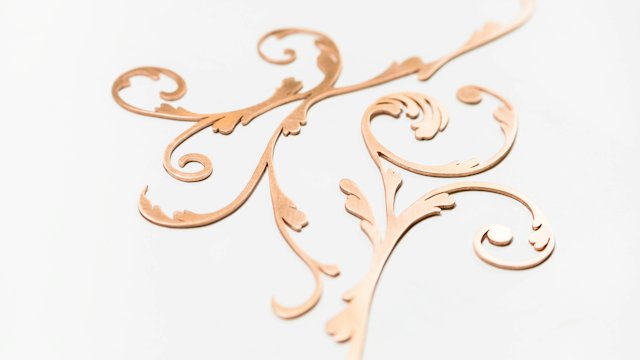
Filigree and wirework
Ornament made from fine metal wire: where it comes from, why it is so difficult, the living traditions from Portugal to Zeeland, what it costs, how to tell hand-made from cast filigree, and how to look after it.
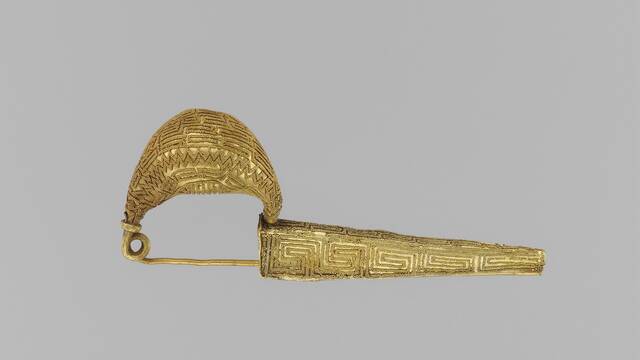
Granulation
Decoration with tiny spheres of gold fused to the surface without solder: the Etruscan technique that was lost for a thousand years, how it is done, which metals it works in, what to look for, and what it costs.
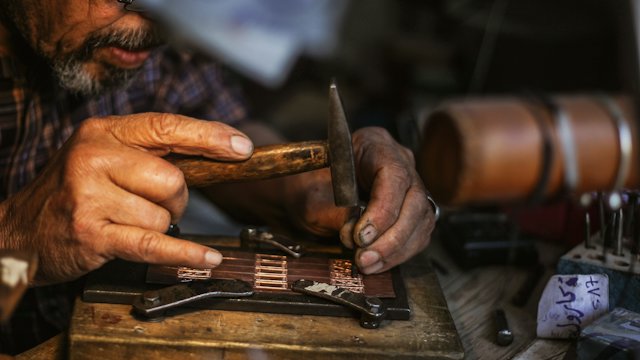
Engraving
A name inside a ring, a family crest, a pattern cut into the surface. The difference between hand, machine and laser engraving, and what to decide before you order.
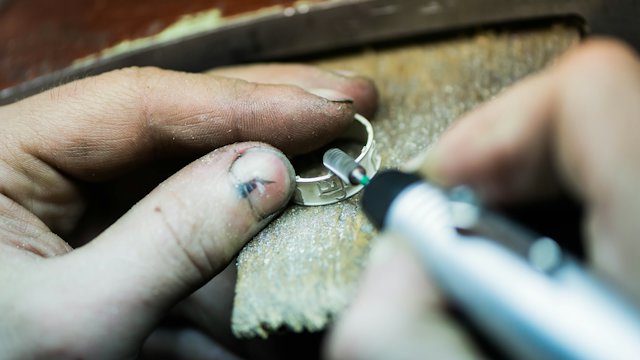
Stone setting
Claws, bezel, pavé, channel, flush: how a stone is held decides how a ring looks, how much light the stone gets, and how well it is protected.
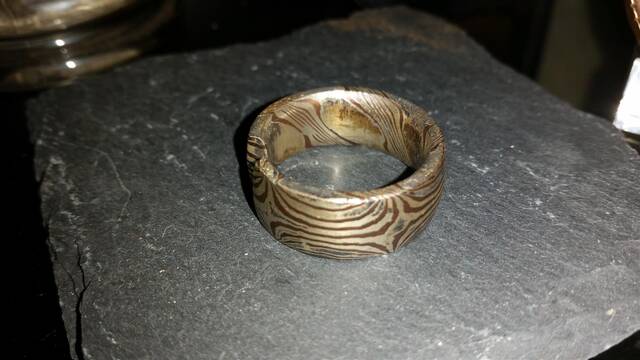
Mokume-gane
Layers of different metals fused into one block and worked until a wood-grain pattern appears. A Japanese sword-making technique that found a second life in wedding rings.
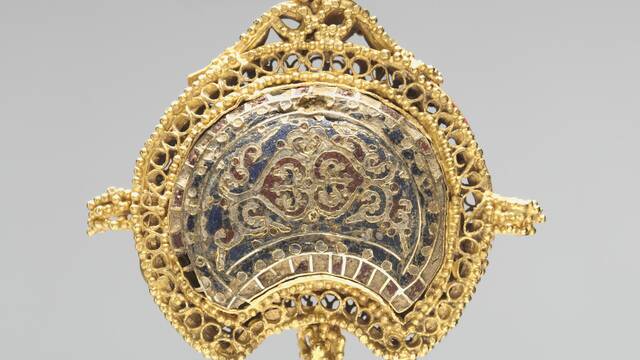
Enamel
Coloured glass fused onto metal in a kiln. The main techniques, from cloisonné to plique-à-jour, and how to tell real enamel from resin.
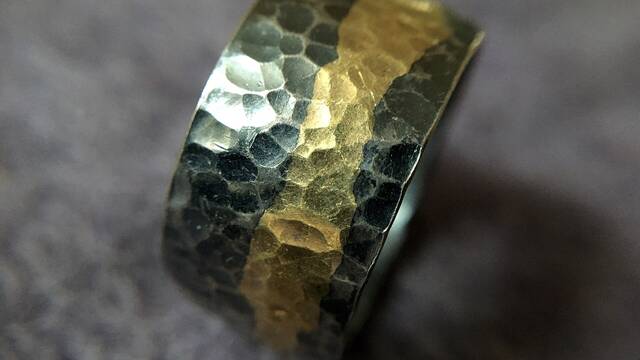
Keum-boo
The Korean technique of bonding pure gold foil to silver with heat and pressure, without solder. How it works, how it differs from plating, how thick the gold is, whether it wears off, and the look it gives.
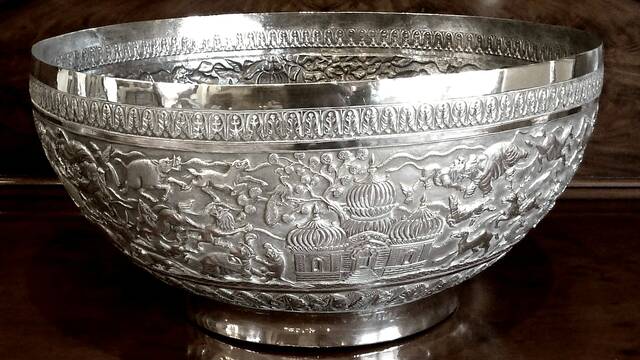
Chasing and repoussé
Relief hammered into sheet metal, pushed out from the back and refined from the front. No metal is removed and none is added: the sheet itself becomes the sculpture.
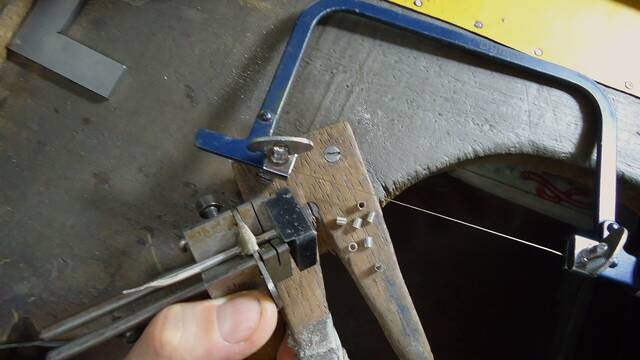
Hand piercing with the saw
Cutting a pattern out of sheet metal with a jeweller's saw, so the design appears as openwork. How it is done, what it is used for, how hand-sawn differs from laser-cut, what it costs, and how to look after openwork.
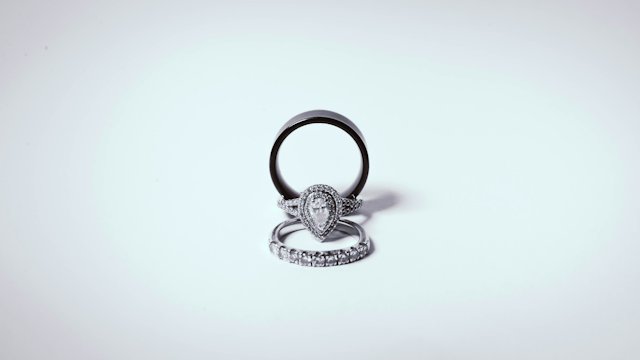
Hammering, reticulation and patina
Not all jewellery is polished to a mirror. Hammered, reticulated and patinated surfaces give a piece character, and they age differently from a high polish.
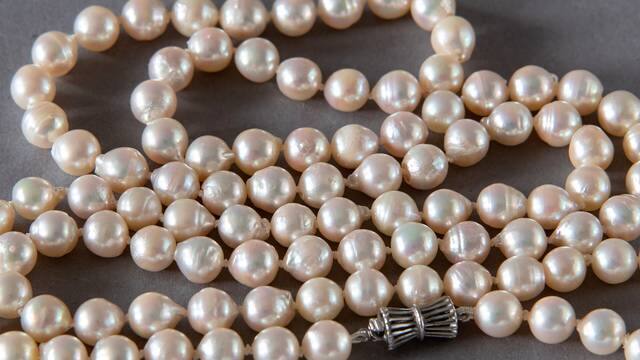
Pearl stringing and knotting
A good pearl necklace has a knot between every pearl. Why that is, what the thread is made of, and how often a strand should be restrung.
Práctico
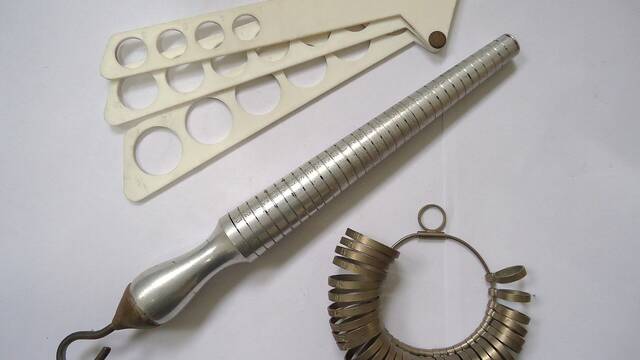
How to measure ring size and be sure the ring fits
In Europe a ring size is the inner circumference of the ring in millimetres. Here is how to measure it at home, even when it has to stay a surprise, and the mistakes people make most often.
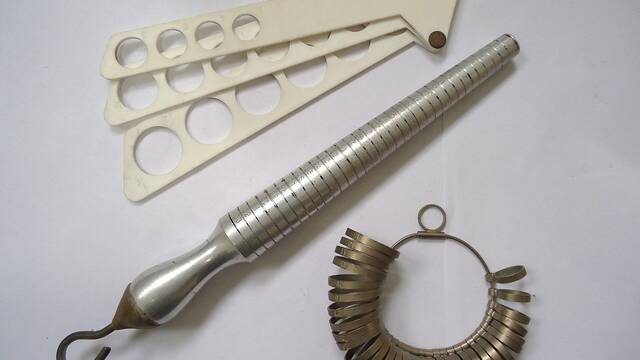
Ring size chart: EU, UK, US and Japan
One table for every ring size system: ISO circumference in millimetres, inner diameter, UK letters, US numbers and Japanese sizes. Find your size in one system and read the others.
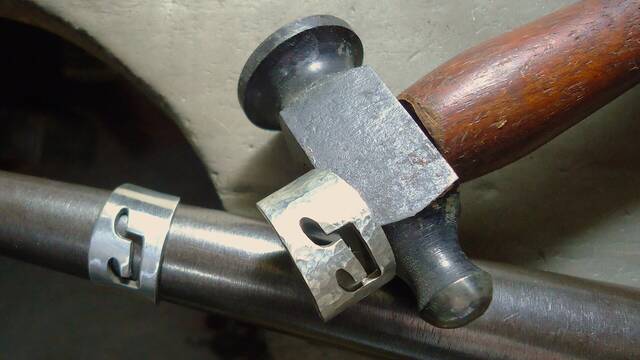
Men's ring size: the usual range, wide bands and how to measure
Most men's rings fall between EU 58 and 66, US 8.5 to 11. Why a wide band needs a size up, how the knuckle decides, and how to find his size without asking.
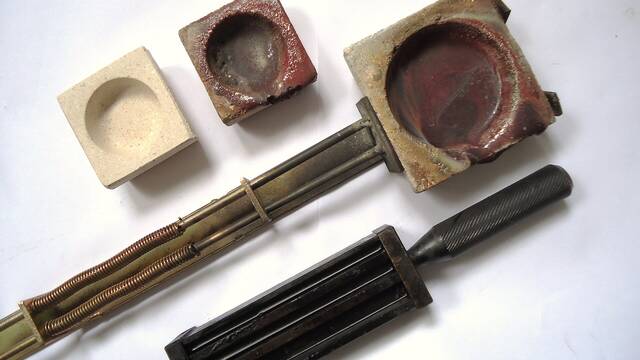
Turning old gold into a new ring
Your father’s wedding ring, a grandmother’s bracelet: old gold can become a new piece. This is what a goldsmith can do with it, and what to ask beforehand.
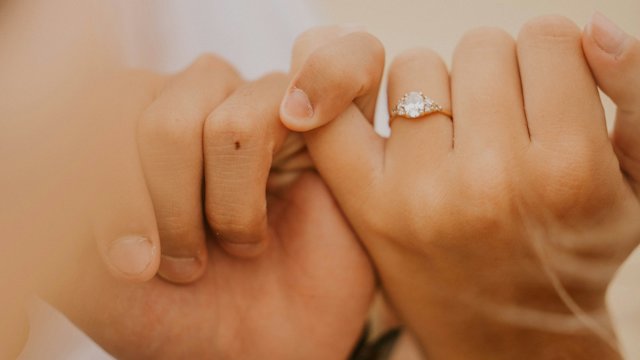
What does a bespoke engagement ring cost?
The price of a bespoke engagement ring comes down to three things: the metal, the stone and the hours at the bench. Here is how to set a budget a goldsmith can work with.
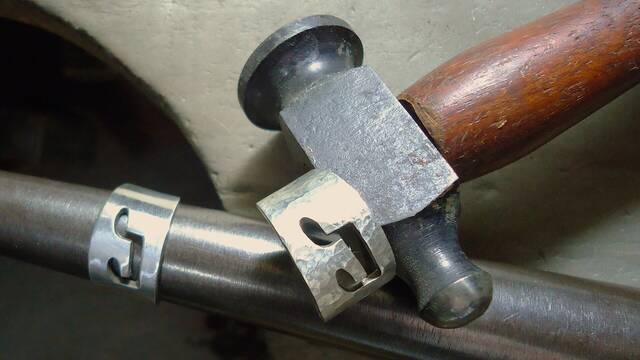
Resizing a ring
Most rings can be made larger or smaller by a size or two. How it is done, which rings cannot be resized, and what to ask before you hand a ring over.
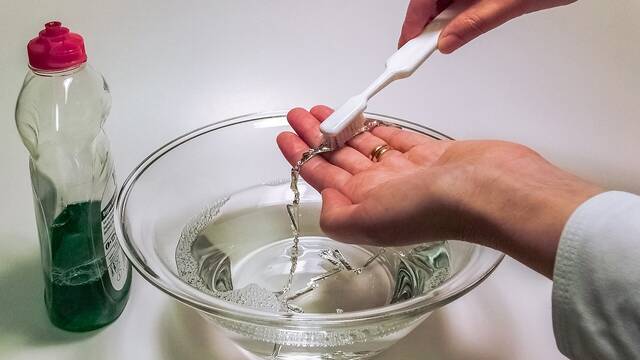
Caring for your jewellery
How to clean gold, silver, platinum and stones at home, what never to do, and when to take a piece to a goldsmith.
Lugares

Antwerp, the diamond capital
For five centuries a few streets beside Antwerp's Central Station have been the centre of the diamond trade. What happens there, and what it means if you want to buy a diamond in Antwerp.
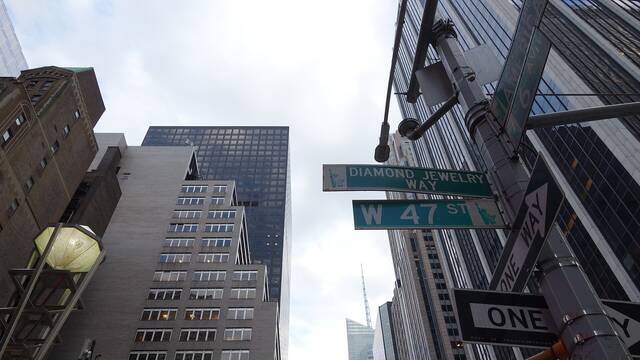
New York's Diamond District
One block of West 47th Street handles most of the diamonds that enter the United States. How the block works, how it got there, and how to buy on it without regrets.
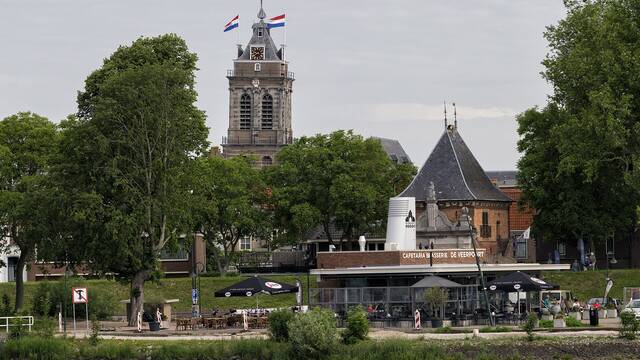
Schoonhoven, the silver city
The small Dutch town on the Lek where gold and silversmiths have worked since the Middle Ages: why it became the silver city, the Vakschool where most Dutch goldsmiths trained, the Zilvermuseum, the Nationale Zilverdag, and buying from the maker.
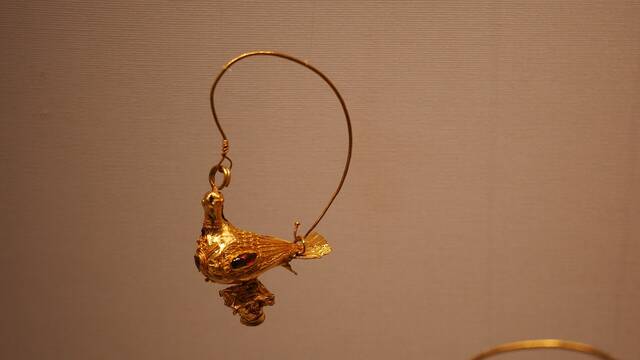
Pforzheim, Germany's gold city
The centre of the German jewellery and watch industry for two and a half centuries: how it began in an orphanage, what was destroyed in 1945 and rebuilt, the Schmuckmuseum, the schools, and what the city means for anyone buying jewellery in Germany.

Idar-Oberstein, where gemstones are cut
A small German town has been cutting gemstones for five hundred years. It began with local agate and became the world's address for precision cutting and gem carving.
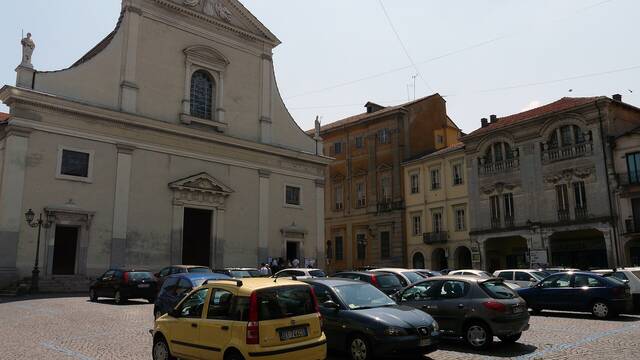
Valenza, Italy's goldsmith town
The small town in Piedmont where much of the world's fine jewellery is made under other names: how it began, what it is good at, how the work is divided, why you rarely see its name, the schools, and the other Italian gold towns.
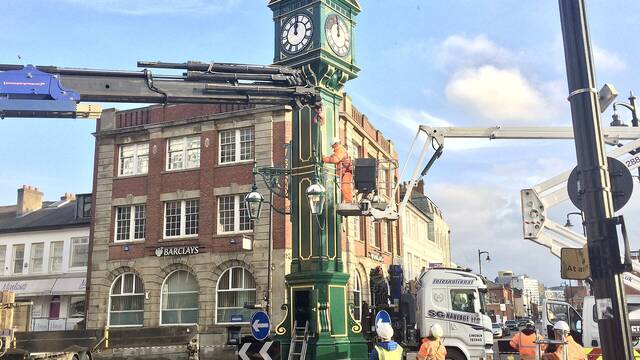
Birmingham's Jewellery Quarter
A few streets north of Birmingham city centre have made jewellery for more than 250 years. The anchor hallmark, Europe's largest jewellery school, and a factory frozen in time.
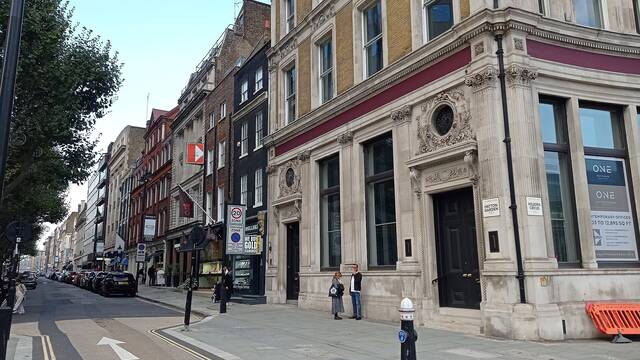
Hatton Garden and Goldsmiths' Hall, London
London's jewellery street, and the hall a mile away that gave the hallmark its name. Where the British trade buys its stones, and where its finest makers show each autumn.
Cookies en Lujoro
Usamos cookies necesarias para que el sitio funcione. Con tu consentimiento también medimos las visitas (Google Analytics) y los resultados de nuestros anuncios (Google Ads). Puedes cambiar tu elección en cualquier momento en «Configuración de cookies», al pie de la página. Política de privacidad